Purchased empty PET bottles
Provides a route without onsite blowing. Check dependable replenishment, bottle protection and the space required for empty-bottle stock. Purchased preforms still require blowing equipment.
Factory planning for water bottling projects
From business intent to operating factory
Start by defining the water product, launch bottle and pack, customers to serve and daily sales requirement. Then develop the water process, equipment and building fit together. The sequence below shows what each decision should produce before it drives an equipment order or a site commitment.
Answer first
Define the launch product, bottle, finished pack and daily demand, then investigate the water source and building together. Use those inputs to choose the equipment route, budget the full site scope and prepare a comparable quotation brief. Manufacturing, site readiness, operating preparation and product release must all fit the startup schedule.
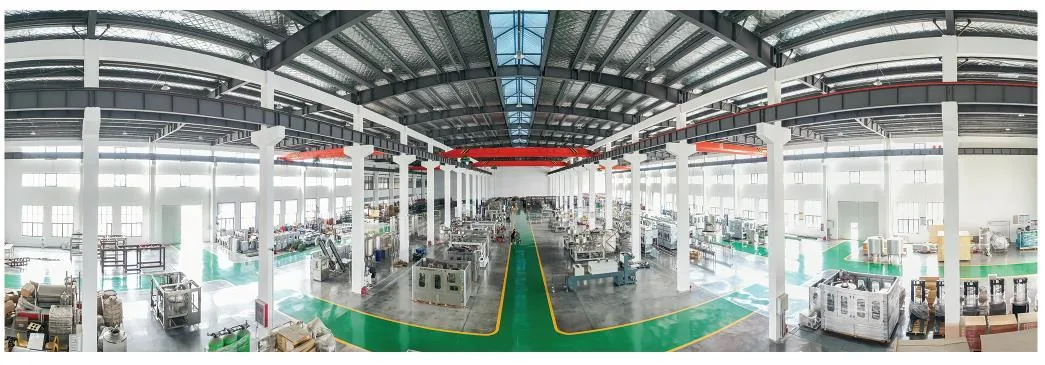
Equipment references from the 2026 catalog
These are representative Allot Tech catalog images. Final models, performance and interfaces remain project-specific and follow the signed technical scope.
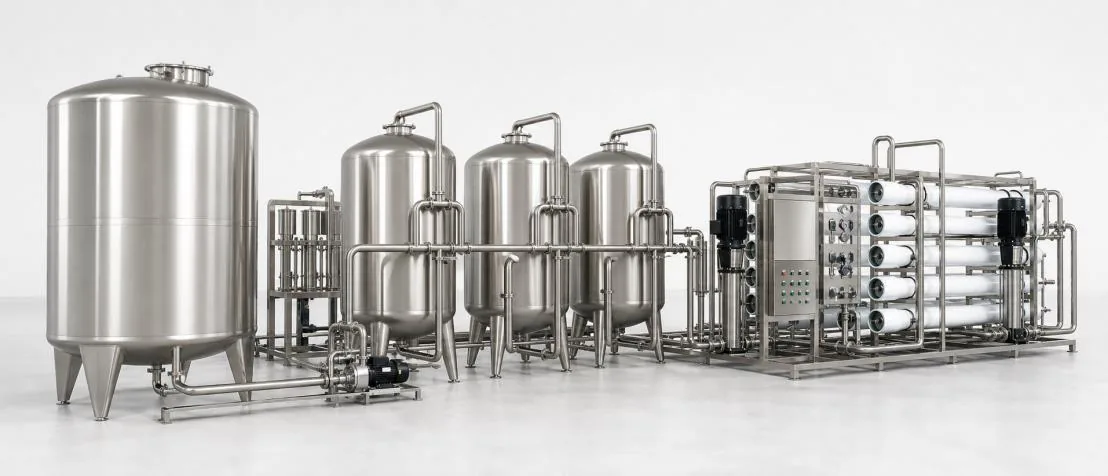
Raw-water evidence, product requirements, storage and sanitation define the treatment duty before a quotation is comparable.
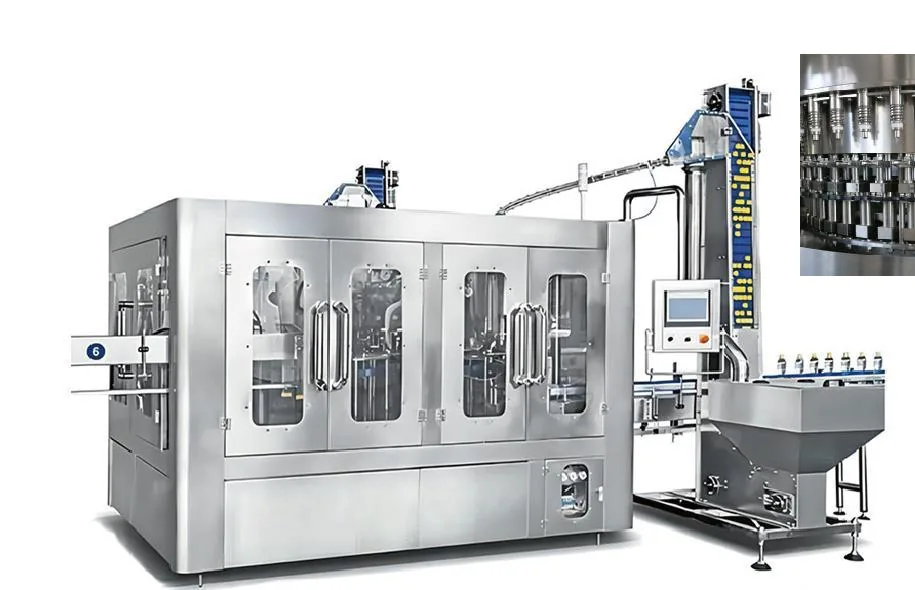
Bottle, cap, net output, materials, cleaning method and line interfaces must be tied to the selected filling configuration.
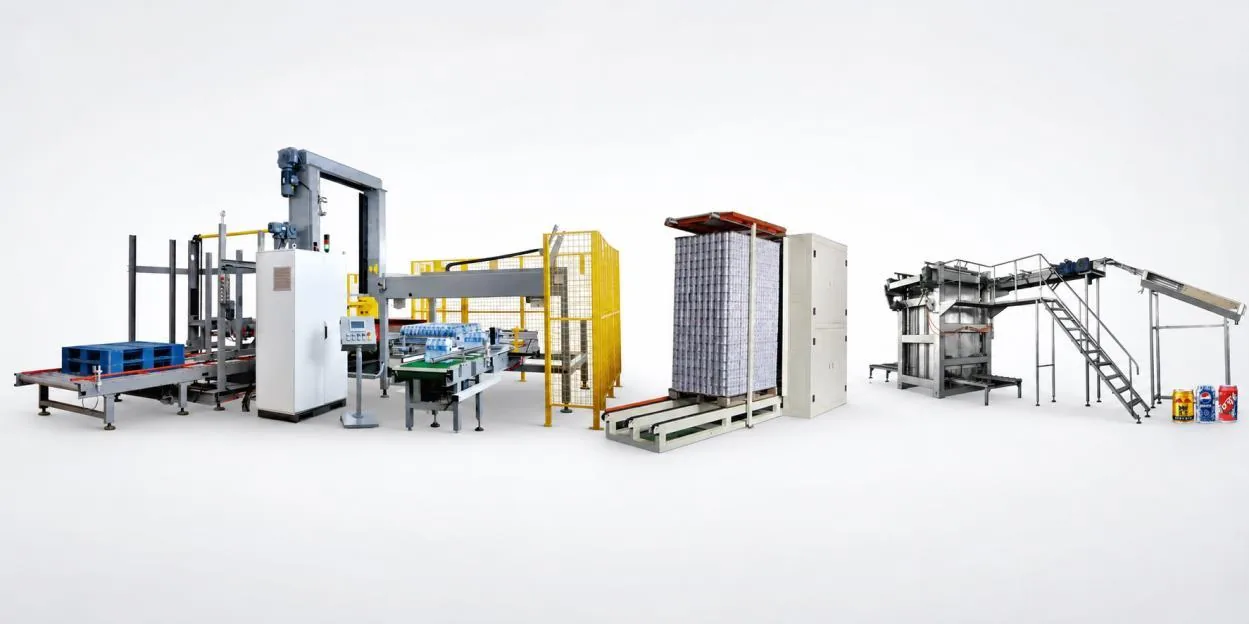
Labeling, packing, accumulation, pallet movement and warehouse flow must support the same saleable-output basis as the filler.
01
Some work runs in parallel. For example, investigate the water source while surveying the site. The output column identifies the useful result of each step; it is not a claim that a universal permit list or fixed startup duration applies everywhere.
| Step | Work to complete | Usable output |
|---|---|---|
| 1. Define the launch offer | Choose the water product, bottle, cap, label, pack and distribution route; build base and downside sales scenarios | One launch-format brief and demand assumptions |
| 2. Establish the water and product basis | Obtain representative source information and analysis; confirm the intended product category and applicable local requirements | Supported treatment concept and unresolved source/approval questions |
| 3. Check the site | Measure usable dimensions, access, utilities, drainage, storage and movement routes | Building fit-gap list and local-work scope |
| 4. Select the machinery route | Choose purchased bottles, onsite blowing or returnable-container handling; match filling and packing to the format schedule | Equipment list, layout and format-specific output basis |
| 5. Build the complete budget | Combine equipment, site work, utilities, freight/import assumptions, startup needs and working capital | Comparable investment and operating-cost scenarios |
| 6. Procure against one scope | Resolve interfaces, drawings, supplier exclusions, acceptance and document deliverables before committing to the selected offer | Approved technical/commercial baseline and dependency schedule |
| 7. Prepare, install and commission | Coordinate site work with manufacturing; prepare materials and people; connect and test the installed equipment | Installation, commissioning, training and acceptance records |
| 8. Release and stabilize production | Apply the required quality-release process; review good output, rejects, downtime, stock and deliveries | Traceable production records and actions for stable operation |
02
Starting with a defined format makes machinery selection, label approval, packaging supply and test planning more manageable. Compare routes using the same sales requirement.
Provides a route without onsite blowing. Check dependable replenishment, bottle protection and the space required for empty-bottle stock. Purchased preforms still require blowing equipment.
Adds preform handling, molds, blowing, transfer and the specified air/cooling services. Include the people and maintenance capability to operate that process.
Creates a collection-and-return operation as well as filling. Plan inspection, washing, dirty/clean separation, compatible closures and dispatch handling.
Start from measured condition, demonstrated output and interface records. Include the installation shutdown and tie-in work in the startup plan.
03
Illustrative planning example, not a capacity guarantee. Suppose daily sales require 24,000 good bottles and the shift lasts 8 hours. Reserve 2 hours for the planned activities in this example, leaving 6 hours for production. Required average good output during those 6 hours is 24,000 ÷ 6 = 4,000 bottles/hour.
| Planning case | Calculation | Decision |
|---|---|---|
| One launch format | 24,000 good bottles ÷ 6 production hours | Demonstrate 4,000 good bottles/hour over the defined production period; a 4,000 BPH nameplate alone is not enough |
| Two-format example | 12,000 ÷ 4,000 + 12,000 ÷ 3,000 | 7 production hours at these illustrative average good-output rates |
| Add planned nonproduction time | 7 + 1.5 hours for the example's cleaning/changeover activities | 8.5 hours does not fit an 8-hour shift |
| Resolve the mismatch | Review actual rates, batch sizes, format frequency and available hours | Rework the production plan or configuration before promising the daily volume |
04
The two-format example uses average good-output rates during the defined production periods: routine stops and rejects are already reflected in those rates. Add only separately reserved activities. If you start with an ideal machine rate instead, apply a supported allowance for losses; do not deduct the same loss twice.
A plant producing fewer days than it delivers may need more output per production day and more finished-stock capacity. Use the actual calendar.
Convert packing speed to good bottles/hour and review the entire line. A faster filler cannot compensate for a persistently slower downstream machine.
Lower sales can reduce cash contribution while excessive production ties up stock. Keep the production target linked to demand and working capital.
05
A room that fits machine footprints may still fail as a usable factory. Record measured facts and the cost or work needed to close each gap.
| Question | Evidence to collect | Consequence of a gap |
|---|---|---|
| Can equipment enter and be maintained? | Access route, door/height clearances, lifting approach and service envelopes | Changes to equipment arrangement, access or installation method |
| Can material streams move without obstructing one another? | Receiving, packaging supply, filling, quality-hold stock and dispatch routes | Revised zoning, storage or circulation |
| Can the site supply the required services? | Available supply conditions compared with the selected utility load schedule | New generation/distribution or a revised equipment duty |
| Can process and cleaning discharge be managed? | Drain routes and applicable local discharge requirements | Local drainage/treatment work and associated approvals |
| Can stock and people be accommodated? | Bottle/packaging inventory, finished pallets, operating positions and support rooms | A larger usable area, a different stock policy or a different site |
06
Use the same revision for each shortlisted supplier and the local project team. Separate confirmed inputs from assumptions that require a reply.
Source-water information, intended water product, bottle drawing, neck/cap, label type, bottles per pack and destination.
Daily good bottles, operating calendar, format mix and the definition of the acceptance output.
Measured layout, access, existing machinery, power conditions, available utilities and the work still needed.
Required equipment, local works, installation resources, tests, documents, training and spare parts.
Equipment and site costs, startup materials, working capital, decision dates and the dependencies behind the target launch.
07
Assign each responsibility even when one person covers more than one role. The needed staffing follows the equipment, shifts and operating model; there is no universal headcount for every plant.
| Responsibility | Prepare before trials | Record before routine operation |
|---|---|---|
| Operations | Bottle/pack recipes, replenishment tasks, cleaning and changeover instructions | Training and demonstrated routine operating tasks |
| Maintenance | Access, spare parts, manuals, utility checks and safe maintenance procedures | Machine checks, unresolved faults and maintenance schedule |
| Quality and product release | Sampling, lot identification, test arrangements and hold/release responsibilities | Applicable test, traceability and product-disposition records |
| Warehouse and dispatch | Accepted packaging, stock locations, quality-hold segregation and delivery plan | Stock movement, released-lot identification and dispatch records |
R
These sources show why product category and destination matter. They do not replace current local permits, laboratory work or advice from the competent authority.
World Health Organization source for risk-based drinking-water quality guidance; project requirements still follow the destination jurisdiction.
United States Food and Drug Administration overview of bottled-water regulation and safety in the US market.
Official European Union legal text for natural mineral waters marketed in the EU.
Buyer questions
There is no supported universal price for every project. Build a budget for the selected treatment, bottle supply, filling/packing, utilities, site work, logistics, startup and working capital. Compare quotations on the same bottle, output and supply boundary.
Build a schedule from source/product decisions, local approvals, site readiness, equipment engineering and manufacture, shipping, installation, tests and operating preparation. A delivery date for machinery is not the same as a commercial production date.
Develop site and equipment feasibility together. Before a site commitment, review access, flow, utilities, drainage, storage and the ability to carry out the required local work. A machine footprint alone is not a complete building requirement.
It may, within confirmed handling and process limits. Obtain a format matrix with rates, change parts and changeover tasks, then check whether all planned batches and stops fit the working schedule.
Requirements depend on the source, product category and destination. Establish the applicable source, facility, product, labeling and operating requirements with the competent local authorities and qualified advisers. Generic equipment specifications are not evidence of approval.
Move this project question forward
Share the launch product and pack, expected daily sales, working schedule, source-water information and site status. Mark unknown inputs clearly. These facts allow the next review to compare equipment routes, site work and an achievable startup sequence.
Not sure which data matters? Send what you have and state the decision you need to make.
Send target capacity and SKUs, source-water report, site utility schedule, building layout and required project milestones.
The project desk can identify missing inputs and a practical next step. Final engineering, configuration, compliance and commercial terms remain project-specific.
Allot Tech (Suzhou) Co., Ltd. · sales@allottech.com · Project telephone: +86 186 6213 1120 / +1 818 262 0958