Factory planning for water bottling projects

sales@allottech.comUS +1 818 262 0958CN +86 186 6213 1120
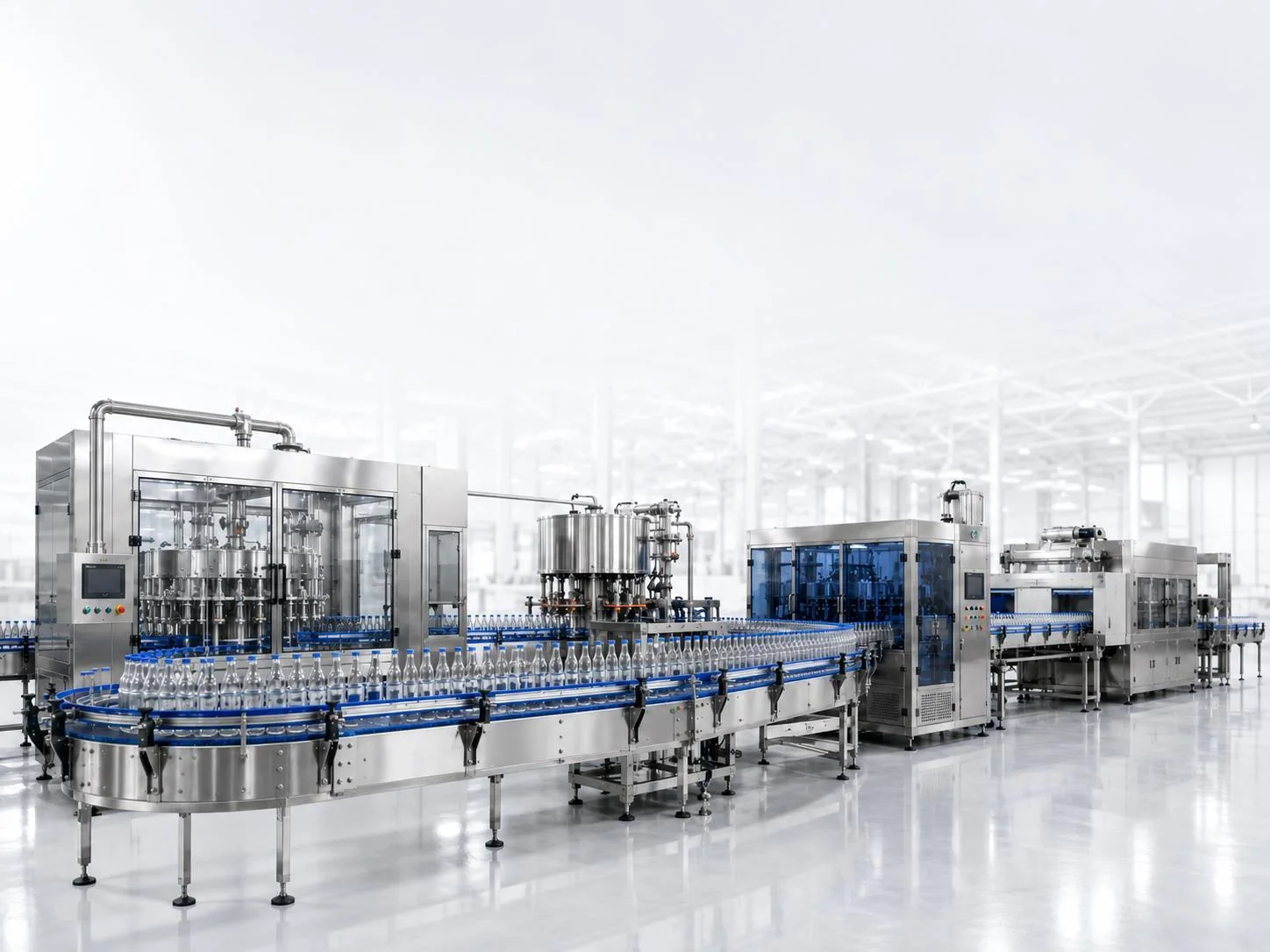
Complete automatic water bottling line with rinsing filling capping labeling and packing equipment

A factory, not just a filling line

Complete Water Bottling Plant Planning

Plan a complete water bottling plant from raw-water treatment, bottle supply and hygienic filling through labeling, packing, factory utilities, installation and startup.

Published and maintained by Allot Tech (Suzhou) Co., Ltd. · Updated September 2026 · Content method

Complete plant scopeBPH & line balanceSite & utilities

Equipment reference from the Allot Tech Beverage Bottling Catalog 2026. Final configuration follows the confirmed project brief.

Equipment configurations for your water plant

Start with the bottle-supply route.

Purchased PET bottles, onsite blowing and returnable jars create different equipment and factory requirements. Choose the route that matches how your containers will reach the filling operation.

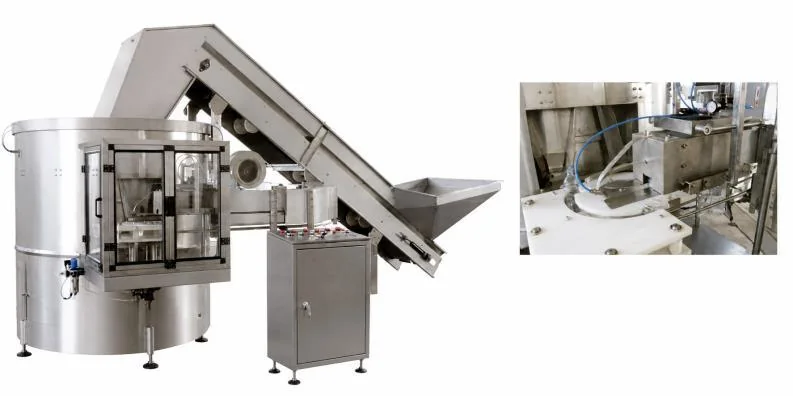
Catalog reference showing an automatic empty-bottle unscrambler and bottle feeding equipment
Bottle-feeding equipment reference. Automatic unscrambling is an option, not a requirement for every purchased-bottle plant.

01 / Purchased bottles

Still water in purchased PET bottles

Connect water treatment and storage to bottle feeding, rinsing-filling-capping, labeling and packing. Buying compatible empty bottles removes the blowing package.

Factory priority: protected empty-bottle receiving, stock and replenishment, plus a clear finished-pack route.

Choose the equipment configuration
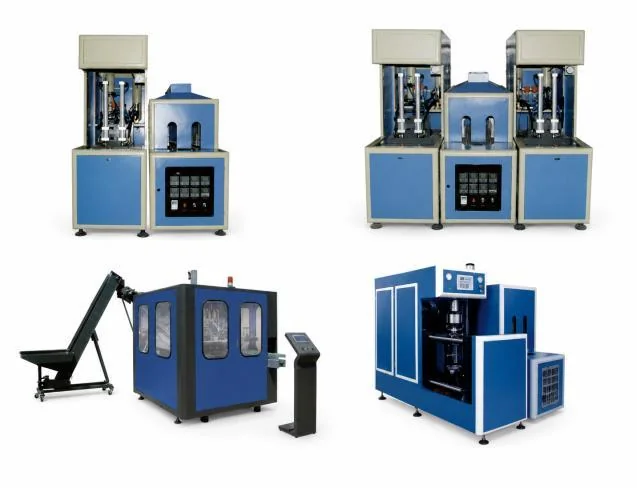
Catalog reference showing PET bottle blow-molding equipment options
PET blow-molding equipment references. Bottle drawings, preforms and the selected machine determine compatibility.

02 / Bottles made onsite

Still water with in-house PET blowing

Add preform handling, blowing, molds and bottle transfer to the selected water, filling and packing route. Include the air and cooling packages specified for the blower.

Factory priority: preform logistics, blowing utilities, heat removal and maintenance access.

Compare blowing with buying bottles
Complete catalog panorama of a returnable large-container water washing filling and handling line
Full returnable-container line reference. Actual jar dimensions, material, neck and closure govern equipment compatibility.

03 / Return-and-refill operation

5 gallon and large-container water

Connect returned-jar receiving and inspection to the selected washing process, protected filling, new closures and delivery handling. Plan the available jar pool as well as the filling rate.

Factory priority: separate dirty-return and clean-container routes, washing services, drains and dispatch staging.

Plan the returnable-jar configuration

Images from the Allot Tech Beverage Bottling Catalog 2026 are equipment references, not completed customer projects or fixed supply packages. Water treatment follows the source and intended product; final equipment and services follow the agreed project scope.

Starting with a smaller operation? Compare small-plant equipment and shift output → Planning more automation? Define automatic functions and line interfaces →

Discuss the route that fits your project. Email sales@allottech.com or call China +86 186 6213 1120 / US +1 818 262 0958.

Discuss My Equipment Scope

Direct answer for plant buyers

What does a complete water bottling plant include?

A complete water bottling plant connects raw-water treatment, treated-water storage, bottle supply, rinsing, filling, capping, labeling, coding, packing, conveyors, utilities, quality control and finished-goods flow. The correct scope depends on the water source, bottle formats, saleable demand, factory condition, destination and responsibility boundary.

01 / Cost

Water bottling plant cost

Separate machinery price from freight, building, utilities, installation, startup materials, spares and working capital. Use current local inputs instead of one unsupported global price.

Open cost calculator ↗
02 / Equipment

Complete equipment list

Check treatment, bottle blowing or bottle feeding, filling, labeling, coding, secondary packing, conveyors, auxiliaries, laboratory needs and critical spares.

Review machinery scope ↗
03 / Capacity

Capacity and BPH

Convert realistic annual sales, operating days, shifts, hours and utilization into preliminary BPH, then verify that blowing, filling, labeling and packing remain balanced.

Calculate preliminary BPH ↗
04 / Layout

Factory layout and utilities

Fit equipment footprints, hygienic zones, maintenance access, material flow, drainage, power, compressed air, storage, dispatch and future expansion into the actual site.

Plan floor space ↗
05 / Feasibility

ROI and break-even

Test saleable bottles, net selling price, variable cost, fixed operating cost, total investment and downside demand. Nameplate speed alone does not establish profitability.

Run the ROI model ↗
06 / Procurement

Supplier and quotation comparison

Issue the same requirement pack to each supplier and compare scope, interfaces, services, FAT, site work, documentation, spares, acceptance and exclusions on one basis.

Compare quotations ↗

Quote-ready starting point

Send five facts before asking for a plant price.

A useful first brief states the intended product and market, source-water evidence, bottle and pack formats, saleable demand or BPH basis, and factory location or building condition. Unknown items should remain visible questions rather than invented assumptions.

  1. Product and destination
  2. Water source and available analysis
  3. Bottle, cap, label and pack formats
  4. Annual demand, shifts and target output
  5. Country, site, utilities and required services
Send My Plant Brief

Equipment references from the 2026 catalog

See the systems behind the factory plan.

These catalog images help buyers connect plant-level decisions to water preparation, hygienic filling and downstream handling. Final models and interfaces remain project-specific.

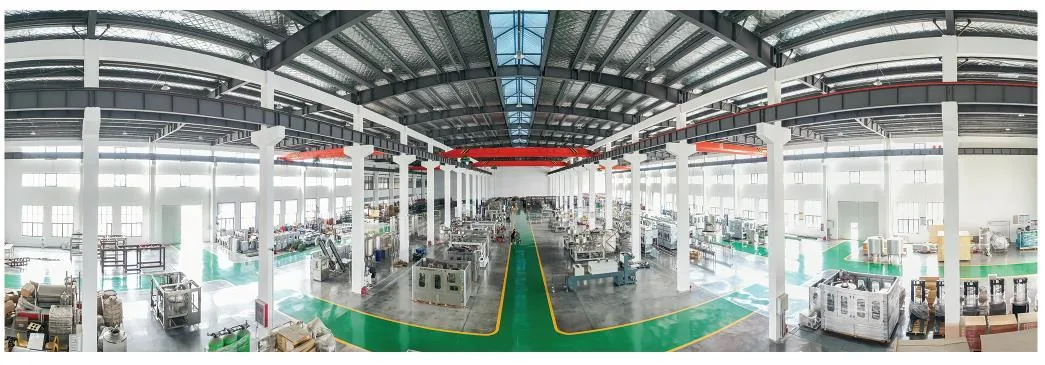
Wide beverage equipment manufacturing floor shown in the Allot Tech Beverage Bottling Catalog 2026
Manufacturing contextEquipment selection still has to fit the building, utilities, movement plan and execution boundary.
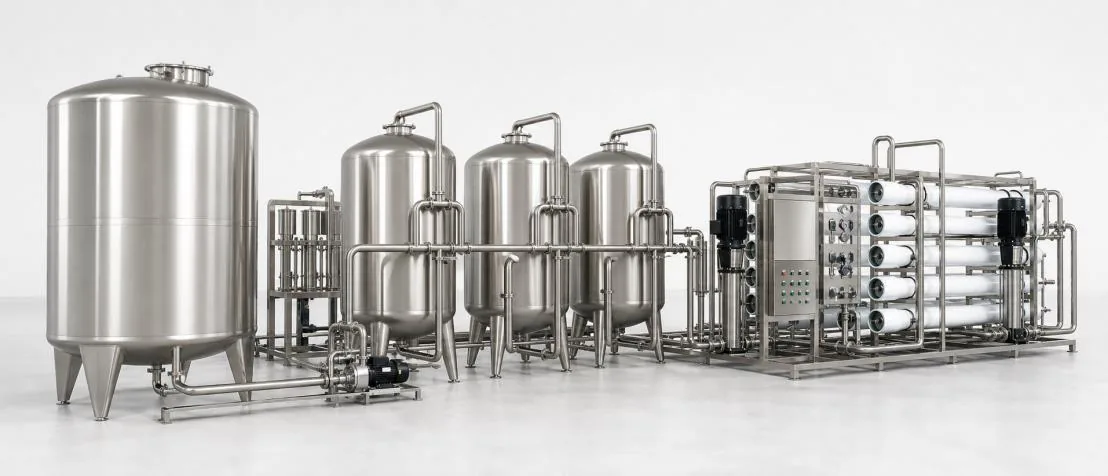
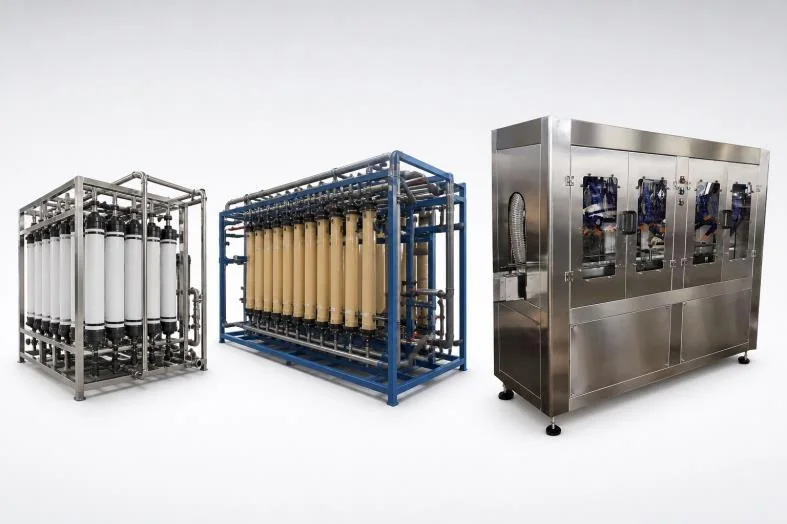
Stainless steel water treatment system with tanks, filters and reverse osmosis equipment
01 / Water preparation

Water treatment system

Define raw-water conditions, treatment objective, storage, sanitation and utility interfaces before confirming equipment.

Review process engineering ↗
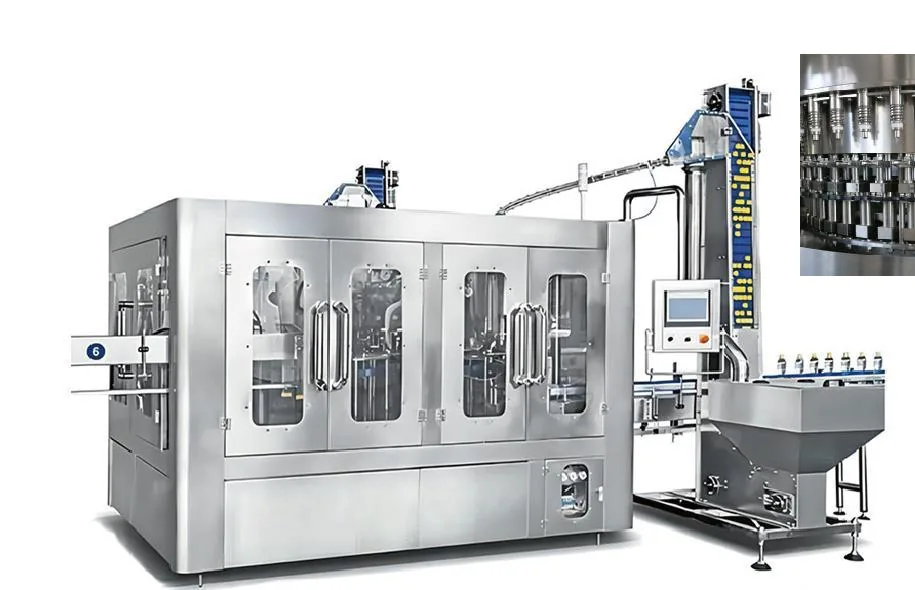
Automatic bottled water washing filling and capping monoblock
02 / Hygienic filling

Water filling monoblock

Product, bottle, cap, output, sanitation method and upstream/downstream interfaces drive the project-specific selection.

Review filling and connected machinery ↗
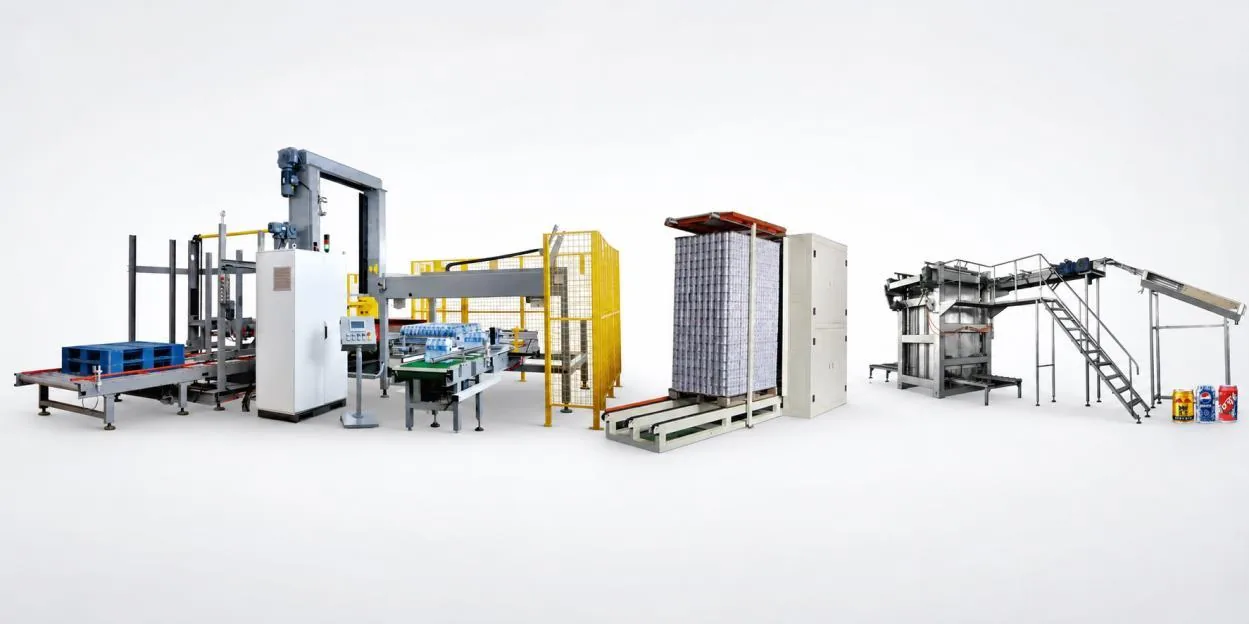
End-of-line beverage packaging and pallet handling equipment reference
03 / End of line

Packing and pallet handling

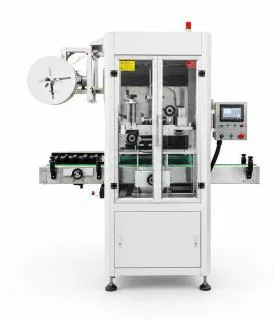
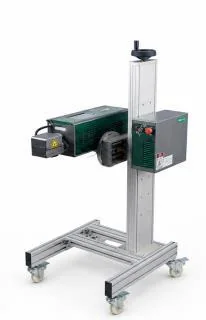
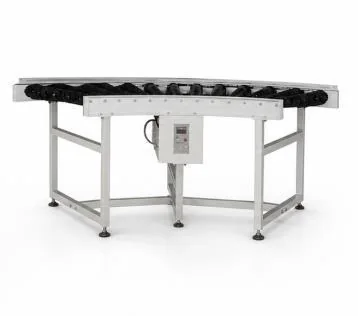
Labeling, secondary packing, accumulation, pallet movement and dispatch must follow the required production flow.

Review material flow ↗

Images extracted from the Allot Tech Beverage Bottling Catalog 2026. They are representative equipment references, not a promise of the final project configuration.

Buyer guide directory

Find the answer for your next plant decision.

Browse budget, capacity, equipment, factory design and startup guides. Use the relevant checklist to prepare a specific plant inquiry.

Put the plant choices into numbers

Check the plan before choosing equipment.

Use the same production and project assumptions when comparing configurations, budgets and supplier proposals.

Compare ownership costs →

Calculate two investment and operating-cost scenarios over one study period, with a transparent worked example.

Start from the real project stage

What stage is your plant project in?

Each stage needs a different decision, evidence set and responsibility discussion.

Two different starting conditions

Greenfield or existing factory?

New site

Greenfield plant

Plan movement, utilities, installation access, hygiene zones, warehouse strategy and expansion before the building design freezes.

  • Master-plan inputs
  • Utility and drainage routes
  • Receiving and dispatch movement
  • Expansion reserve
Plan a greenfield site ↗
Existing building

Brownfield fit or expansion

Measure the real building, utility margin, access, shutdown windows and operating constraints before adapting equipment to the site.

  • Fit-gap review
  • Tie-in and shutdown planning
  • Building access constraints
  • Current-operation protection
Review an existing building ↗

Project stage gates

Move forward with evidence, not assumptions.

A gate is complete when the required inputs, approvals and open items are visible to the responsible parties.

  1. 01BriefProduct, site, output, scope
  2. 02EngineeringLayout, interfaces, utilities
  3. 03FATAgreed test evidence
  4. 04ShipmentPacking, documents, readiness
  5. 05SiteAccess, services, local works
  6. 06CommissionIntegrated tests and training

Factory project library

Open the guide for the decision in front of you.

These pages stay at factory level: responsibility, readiness, project boundaries and operating handover.

Common planning gaps

Six questions worth answering before equipment arrives

01

Are utilities confirmed under load?

Nameplate lists alone do not prove the generation, distribution and connection points are ready.

02

Can the equipment reach its final position?

Check unloading, door openings, turning space, lifting, columns and floor conditions.

03

Can packing follow the filler?

Real output depends on labeling, packing, accumulation and finished-goods movement.

04

Who installs each pipe and cable?

Mark supplier, buyer and local-contractor work at every physical interface.

05

Are trial materials available?

Approved bottles, caps, labels, film and product inputs are needed for meaningful integrated tests.

06

What evidence closes handover?

Define acceptance records, open actions, manuals, training and spare-parts identification.

A traceable project communication entry point

Allot Tech (Suzhou) Co., Ltd.

China-based coordination for beverage-equipment project clarification, manufacturing-resource communication, quotation preparation and follow-through within the confirmed order scope.

Buyer

Defines product, market, site, utilities and business requirements.

Allot Tech

Clarifies the brief and coordinates international project communication.

Selected manufacturer

Confirms engineering, manufacture, testing and the agreed service scope.

How the project desk works ↗

Turn site facts into a plant brief

Plan the factory around the equipment before responsibilities become gaps.