Review the physical effect
Check affected machines, handling parts, material specifications, layout and utilities where relevant.
Factory planning for water bottling projects
Turnkey means a defined boundary
A turnkey water bottling plant brings an agreed equipment and service scope under coordinated project delivery. The decisive question is where that scope ends: at machine terminals, connected equipment, commissioned operation or a defined handover. Compare the equipment list, site-work schedule and acceptance records together before treating two turnkey offers as equivalent.
Answer first
The agreed scope may combine treatment, bottle supply, filling, labeling, packing, conveyors and specified engineering or startup services. Building work, utility generation/distribution, local connections, import work and product approvals need explicit allocation. Use named connection points and deliverables to define inclusion; the word turnkey alone does not assign them.
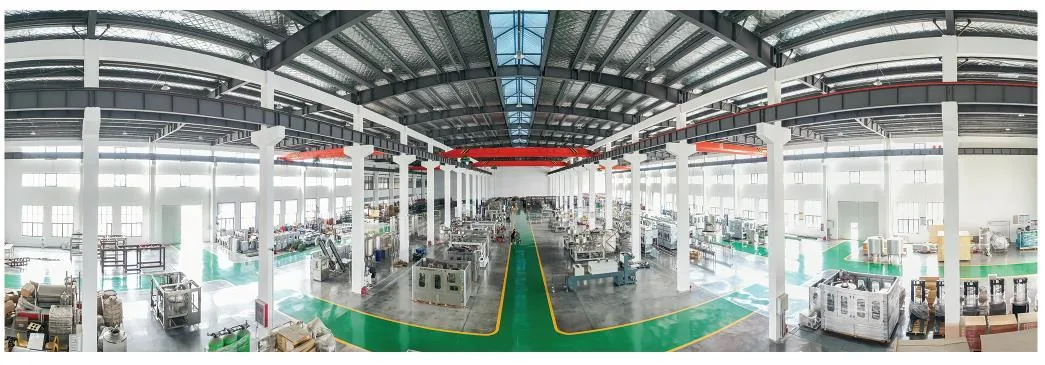
Equipment references from the 2026 catalog
These are representative Allot Tech catalog images. Final models, performance and interfaces remain project-specific and follow the signed technical scope.
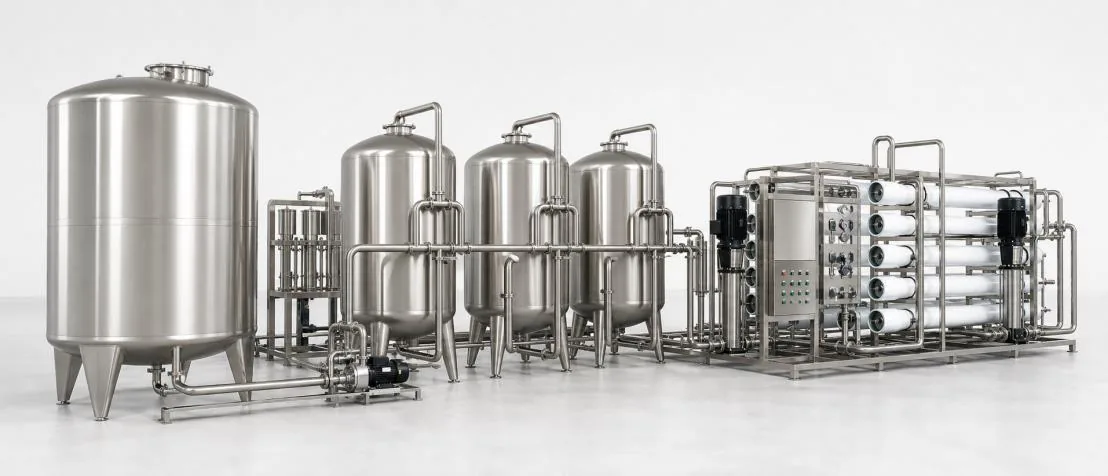
Raw-water evidence, product requirements, storage and sanitation define the treatment duty before a quotation is comparable.
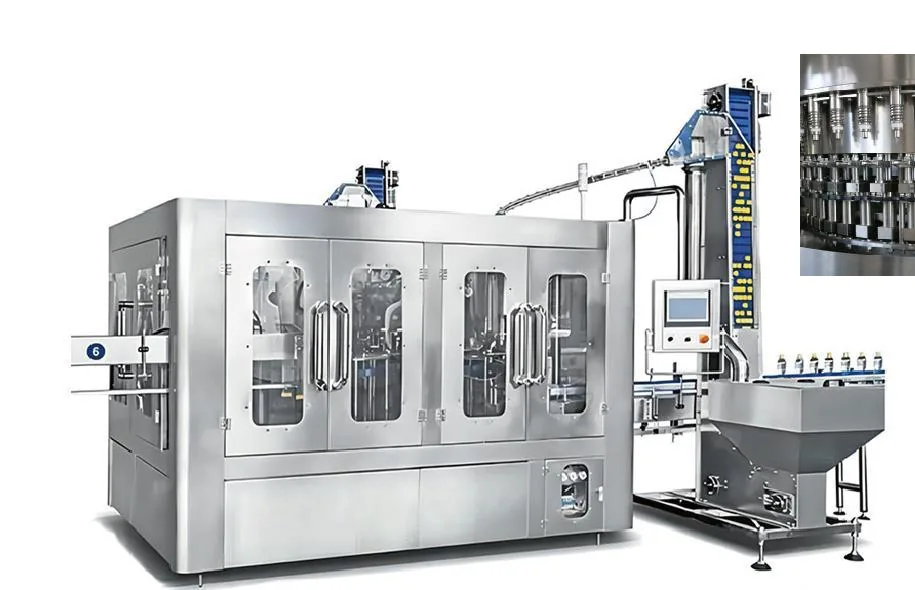
Bottle, cap, net output, materials, cleaning method and line interfaces must be tied to the selected filling configuration.
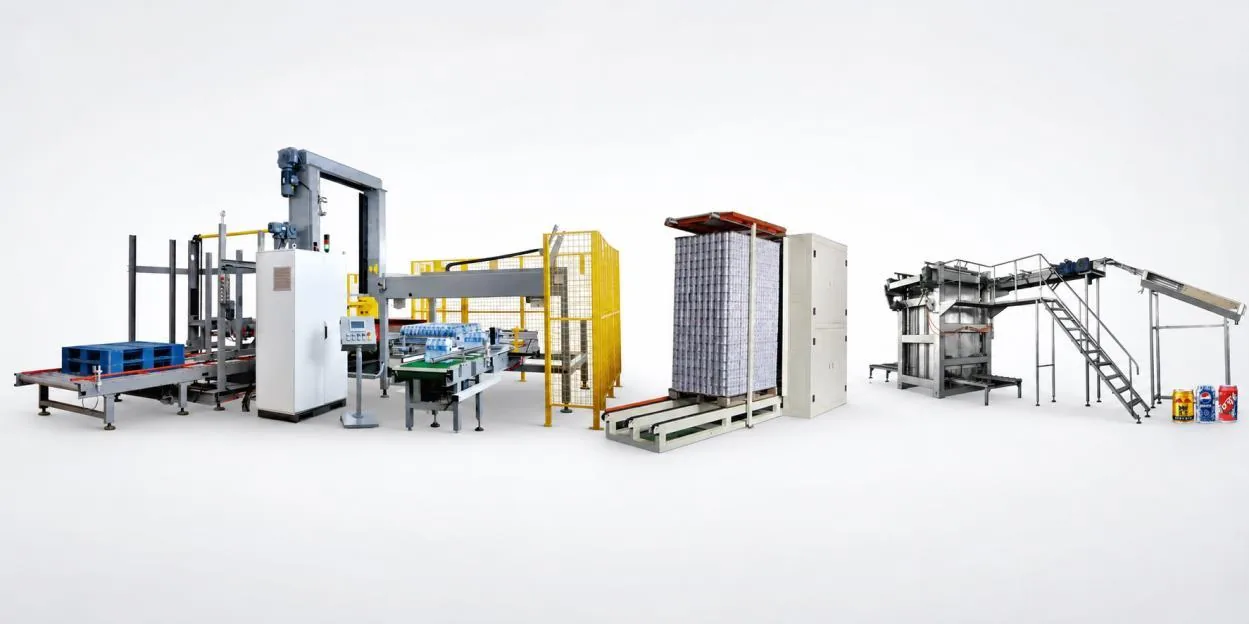
Labeling, packing, accumulation, pallet movement and warehouse flow must support the same saleable-output basis as the filler.
01
For a still-water PET concept, the same equipment can arrive at very different levels of site readiness. Use the physical handoff in each row to separate machine supply from the pipes, cables, drains, rooms and operating resources around it.
| Equipment package | What it hands to the next operation | Site work around the package | Connection to assign |
|---|---|---|---|
| Treatment and hygienic storage | Water meeting the selected process basis at the filling inlet | Source feed, drains, tank access, process distribution and sampling/cleaning access | Treatment outlet through the transfer line to the filler inlet |
| Purchased-bottle feeding or onsite blowing | Compatible empty bottles at the filler infeed | Protected storage and replenishment; blowing adds its specified air and cooling services | Bottle transfer, utility termination and feed-control signals |
| Rinsing, filling and capping | Closed bottles for downstream handling | Filling-area preparation, power, process services, cap supply and service access | Product inlet, utilities, discharge conveyor and line-control boundary |
| Labeling, coding and packing | Identified bottles in the selected shipping pack | Packaging-material supply, accumulation, pack collection and warehouse route | Conveyor transfers, pack discharge and stop/restart coordination |
| Installation and startup activities | An installed, tested system and the agreed handover records | Unloading, lifting, local trades, utilities, operators and trial materials | Who performs each task, provides its resources and signs its completion |
02
These are alternatives for structuring a procurement discussion, not a statement that every arrangement is offered by Allot Tech. A broader scope has value when it closes a real coordination gap; it does not transfer unlisted local duties automatically.
| Arrangement | Fits this project condition | What it can simplify | Work that still needs an owner |
|---|---|---|---|
| Separate equipment purchases with buyer-led integration | The buyer has an experienced engineering team or appointed integrator | Direct selection of retained and new machines by package | Cross-vendor layout, controls, utility interfaces, schedule and integrated tests |
| Coordinated equipment package with local works outside it | The buyer wants one defined machine-to-machine scope and has local installation resources | The agreed equipment layout, transfer points and line integration | Utility generation/distribution, rooms, local connections and site readiness unless included |
| Equipment plus specifically contracted site/startup services | The buyer needs named assistance for installation, commissioning or training | The listed execution tasks and their handover sequence | Local permits, site resources, excluded trades and any tasks outside the service schedule |
03
Illustrative responsibility split for a project that contracts equipment supply and startup assistance while using a local installation contractor. This is an example of how to write the boundary, not Allot Tech's standard inclusion or a prescribed contracting arrangement. Apply the same method to each specified pressure and air-quality service.
| Work item | Example allocation | Record needed to close the interface |
|---|---|---|
| Machine air requirements | Equipment supplier states the required inlet conditions | Connection location, pressure range, peak/average flow basis and required air quality |
| Generation and treatment package | Buyer appoints the package provider; include it in supplier scope only if quoted | Approved package duty, receiver/dryer/filter scope and applicable delivery conditions |
| Distribution header and branch | Local contractor designs and installs within the agreed boundary | Route, material, sizing, isolation points and identification |
| Final connection at the machine inlet | One named installer; do not leave it as shared responsibility | Drawing identifying both termination points and included fittings/hoses |
| Readiness verification | Installer records results; buyer coordinates review with the equipment supplier | Actual inlet conditions with the agreed simultaneous loads and open deficiencies |
| Commissioning and acceptance | Named parties run the agreed site test | Operating record, deviations, correction owner and retest result |
04
Agree test scope and materials before manufacture. A factory test can only demonstrate the machines and conditions actually present; excluded utilities, local piping and site integration need their own checks.
| Gate | What it establishes | What it does not establish by itself |
|---|---|---|
| Factory acceptance test (FAT) | The inspected equipment, tested formats, functions and performance under the recorded factory conditions | Performance of omitted machines, future formats or the final site installation |
| Installation readiness | Equipment access, connection work, utilities and required site resources are ready for the next activity | That the connected line has achieved its agreed sustained output |
| Commissioning and site acceptance test (SAT) | The installed scope operates against agreed site-test criteria using documented inputs and conditions | Automatic approval to sell every production lot |
| Operational handover | Training, documents, spares and outstanding work have a recorded disposition | Closure of unidentified defects or unassigned operating responsibilities |
| Product release | The buyer's responsible team applies the relevant quality and market-release process | A substitute for machinery or installation acceptance |
05
Develop the schedule from dependencies rather than a universal number of weeks. Equipment manufacture and site preparation can overlap once their interfaces are stable; missing buyer inputs or local work can still block the next stage.
| Milestone | Deliverable | Input or prerequisite |
|---|---|---|
| Engineering approval | Equipment schedule, format matrix, layout and utility/interface drawings | Confirmed product basis, samples/drawings and surveyed site |
| FAT readiness | Agreed test procedure and identified equipment ready for inspection | Required test bottles, caps, labels and pack materials available |
| Shipment release | FAT disposition, packing list and agreed shipping records | Open items assessed and shipment conditions satisfied |
| Site startup | Recorded installation checks and planned commissioning sequence | Unloading/lifting completed, connections checked, utilities and operators available |
| Handover | Accepted records, manuals, training, spares and a dated action list | Agreed testing completed and exceptions formally assigned |
06
Example: after approving a 12-bottle pack, the buyer requests a 6-bottle pack. That change may affect grouping parts, wrapper throughput in bottles/hour, film, code placement, pallet pattern and warehouse handling. It is not automatically a free recipe change.
Check affected machines, handling parts, material specifications, layout and utilities where relevant.
Update the format row and test the new pack under agreed conditions; do not retain the old bottle-output promise without review.
Document additional scope, price, timing, test materials, responsibilities and approval before proceeding.
Revise the drawings, scope schedule, parts list and test plan so production and purchasing use the same approved version.
07
Before contract release, number the equipment, local works, services and acceptance schedules and cross-reference their exclusions. At handover, collect records against that same scope.
Asset list, manuals, drawings, parts references, recommended service tasks and supplied spare-parts inventory.
The agreed program/parameter backups, access arrangements, licenses and restoration procedure. Confirm rights and deliverables in the scope.
Topics, attendees, language, demonstration records and any remaining support needs.
Each exception needs an owner, target date, consequence for operation and evidence required for closure.
Buyer questions
Only when the agreed supply and work schedules include them. Separate generation, distribution and final machine connections; they can have different providers even when the equipment is coordinated by one supplier.
No. A proposal for supervision may provide technical guidance while the buyer arranges installers, lifting, tools, connections and site resources. State who performs the work and who supplies each resource.
It proves only the agreed factory test under its recorded conditions. Site utilities, installed connections, complete-line operation and the applicable product-release process still need their respective checks.
Use one product and output basis, then compare the equipment, auxiliaries, interfaces, local works, services, test scope and deliverables. Price required omissions separately and leave unknown costs open.
Allot Tech can help clarify and coordinate the project scope discussion. Confirm the requested equipment and services in the quotation; the signed technical and commercial scope controls the final responsibilities.
Move this project question forward
Send the proposed equipment list, building status and the tasks you want coordinated. Mark which local contractors and utilities are already available so the review can assign physical connections, installation work and acceptance deliverables.
Not sure which data matters? Send what you have and state the decision you need to make.
Send target capacity and SKUs, source-water report, site utility schedule, building layout and required project milestones.
The project desk can identify missing inputs and a practical next step. Final engineering, configuration, compliance and commercial terms remain project-specific.
Allot Tech (Suzhou) Co., Ltd. · sales@allottech.com · Project telephone: +86 186 6213 1120 / +1 818 262 0958