Water and product
Provide a representative raw-water analysis, intended product definition, treatment objective and destination-market review.
Factory planning for water bottling projects
Buy a complete operating scope, not a headline
Choose water bottling plant equipment around what the site already has and the finished product it needs to make. Allot Tech can help clarify the equipment-project scope. This page concerns equipment and project discussions, not a listing for the sale of land, water rights or an operating bottled-water business.
Answer first
For a site with suitable treatment and a dependable empty-bottle supply, a connected filling-and-packing package may cover the missing production duty. A new site may also need treatment, hygienic storage and utility packages. Add blowing only when bottles will be made onsite; use a dedicated washing-and-handling route for returnable jars. Compare the complete installed requirement after crediting only existing assets that support the new duty.
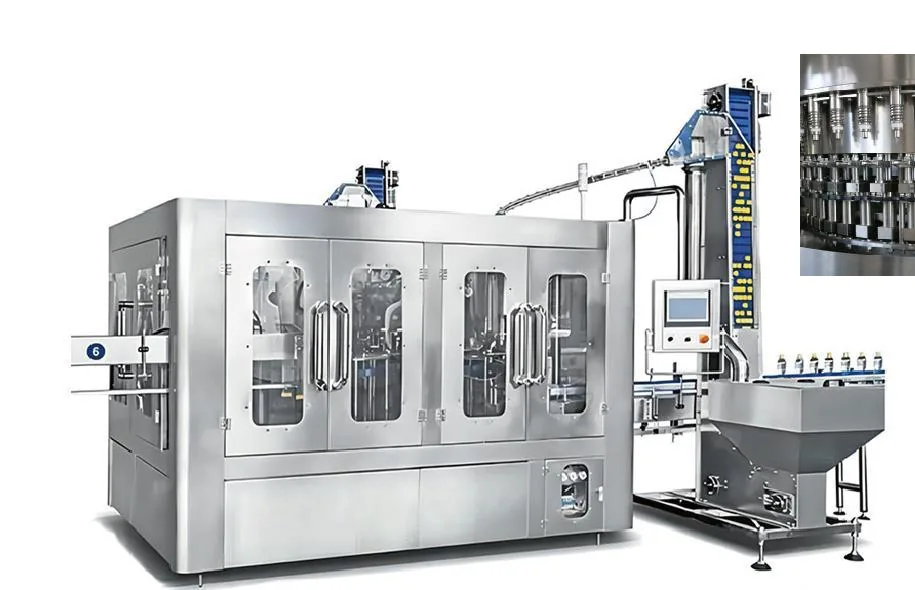
Equipment references from the 2026 catalog
These are representative Allot Tech catalog images. Final models, performance and interfaces remain project-specific and follow the signed technical scope.
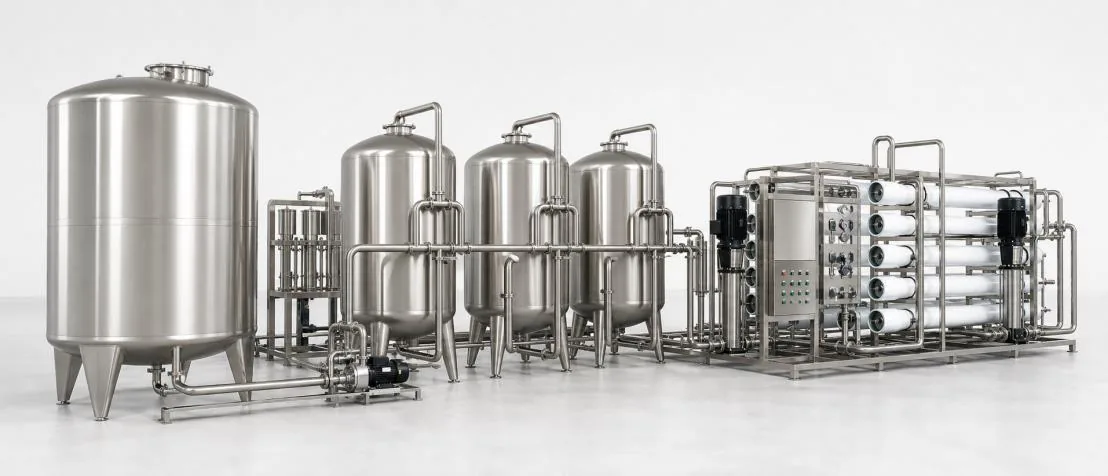
Raw-water evidence, product requirements, storage and sanitation define the treatment duty before a quotation is comparable.
Bottle, cap, net output, materials, cleaning method and line interfaces must be tied to the selected filling configuration.
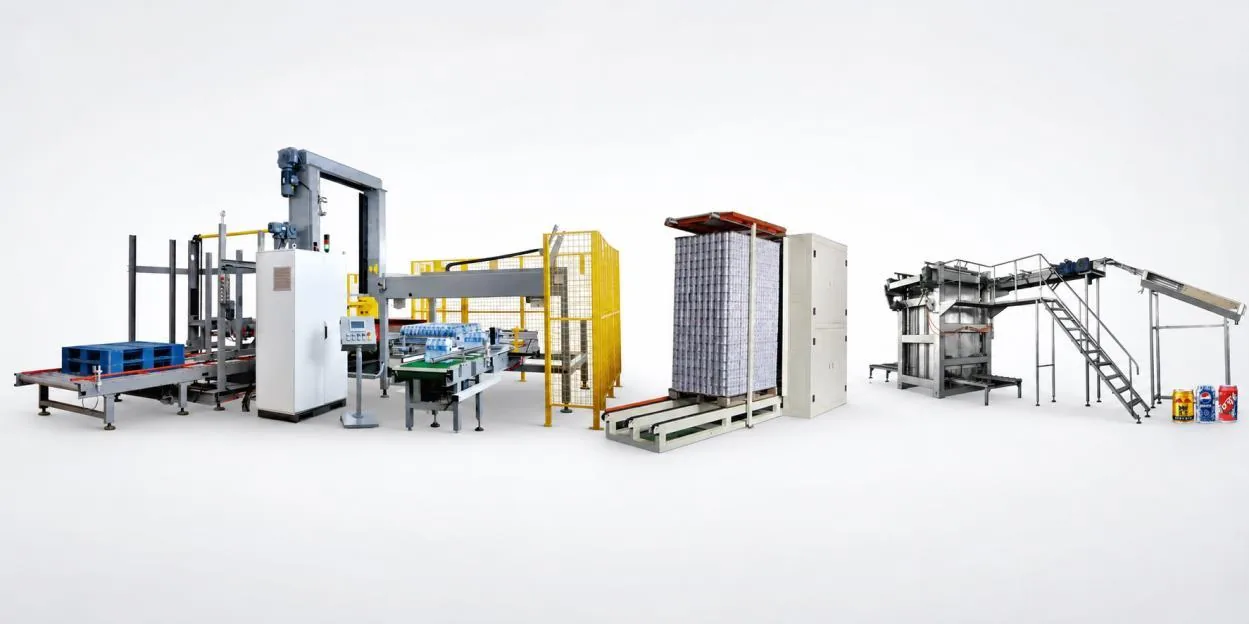
Labeling, packing, accumulation, pallet movement and warehouse flow must support the same saleable-output basis as the filler.
01
The packages below describe practical purchase boundaries, not standard models, stock availability or guaranteed inclusions. The base equipment and selected options should together deliver the defined bottle and finished pack.
| Purchase requirement | Configuration to discuss | What can remain outside the new package | Fit condition |
|---|---|---|---|
| Add bottling to an existing water-preparation operation | Bottle feeding, rinsing-filling-capping, labeling, coding, packing, conveyors and their selected auxiliaries | Suitable existing treatment, hygienic storage and utility generation | The retained water process supports the product, flow and operating schedule of the new line |
| Equip a new purchased-bottle PET plant | Selected treatment/storage plus the filling-to-finished-pack route and required utility equipment | Bottle blowing; building and local works unless expressly included | A suitable empty-bottle source and protected stock/replenishment arrangement are available |
| Equip a PET plant that makes its own bottles | The chosen water and packing route plus preform handling, blowing, molds, transfer and specified air/cooling | Site construction and unlisted services; existing compatible utilities where reuse is supported | The building and operating team can support blowing as well as bottling |
| Equip a returnable-jar operation | Inspection, decapping, selected washing, filling/capping and compatible jar dispatch handling, with the water process | Small-bottle PET blowing and other equipment not used by the jar route | Jar/closure compatibility, return condition and the distribution cycle support the selected process |
02
Illustrative comparison: both offers target the same still-water bottle and finished pack. Offer A adds filling and packing to an existing water-preparation site using purchased bottles. Offer B equips a new site and makes bottles from preforms. Neither is automatically the better purchase; the buyer-owned duties make the comparison meaningful.
| Comparison item | Offer A: retain and connect | Offer B: new integrated scope | Buying implication |
|---|---|---|---|
| Product-water supply | Existing treatment/storage and its tie-in serve the new equipment | Selected treatment/storage and transfer are in the new equipment discussion | Price rehabilitation or expansion of retained treatment if the new duty exceeds its supported basis |
| Bottle supply | Purchase compatible bottles and provide protected receiving/storage | Purchase preforms and operate blowing with molds, air, cooling and transfer | Compare the container-supply operation and factory services as well as machine totals |
| Filling and finished packing | New connected machines must fit retained upstream and warehouse interfaces | New machines are arranged with the selected upstream packages | Use the same bottle, cap, label, pack and output conditions for the shared duty |
| Factory preparation | Allow tie-ins, service upgrades and a planned shutdown around current production | Provide the new rooms, utility routes, access, storage and dispatch areas | An equipment total is not the installed-factory budget in either case |
| Decision | Fits when retained assets and bottle supply are genuinely suitable | Fits when a new site and onsite bottle production match the operating plan | Select the configuration that closes the real production gap, then compare its full scope and project cost |
03
The selected configuration has to serve real market formats and operating conditions.
Provide a representative raw-water analysis, intended product definition, treatment objective and destination-market review.
State PET or another container, confirmed volumes, neck finish, cap, label, pack and approved samples or drawings.
Convert annual and peak demand into shifts, hours, planned utilization and preliminary BPH; keep rated and saleable output separate.
Provide building dimensions, clear height, columns, doors, voltage, water, drainage, climate, unloading route and installation constraints.
04
A lower equipment price can still create a higher project cost when essential work sits outside the quotation.
Record packing, freight term, destination, insurance, unloading, customs and inland handling assumptions.
Assign floors, drains, rooms, platforms, cables, pipes, ducts, lifting, labor, permits and safety management.
Define engineering approvals, FAT, installation, commissioning, training, documentation, spares and post-startup support.
Require written review when bottle, speed, pack, site, scope or schedule assumptions change.
05
Use stage gates so unresolved assumptions are visible before they become site problems.
| Gate | Buyer input | Supplier output | Closeout evidence |
|---|---|---|---|
| Plant brief | Product, formats, demand, site and scope | Clarifications and preliminary configuration | Approved basis and open-item log |
| Technical agreement | Confirmed samples and responsibilities | Specifications, layout, loads and interfaces | Signed schedules and drawings |
| FAT and shipment | Test materials and witness plan | Agreed tests, records and packing documents | Accepted results and managed open actions |
| Site startup | Ready building, utilities, people and materials | Installation, commissioning and training in scope | Acceptance, records and handover status |
06
The fastest route to a useful proposal is a short brief that separates known facts, buyer preferences and open questions.
| Brief field | What to send | If not yet known |
|---|---|---|
| Product and water | Intended bottled-water category, source and available analysis | State the source status and request the required test list |
| Bottle and pack | Volumes, bottle or preform, cap, label and secondary pack | Send reference photos and mark dimensions for confirmation |
| Output | Annual demand, peak demand, shifts and preferred BPH basis | Send the sales scenario and ask for a capacity calculation |
| Factory and destination | Building dimensions, utilities, access, country, city and port | Identify missing site facts as open actions |
| Project boundary | Required equipment, local work, installation, commissioning, training and schedule | Ask the supplier to return inclusions, exclusions and buyer responsibilities |
07
A proposal should be clarified before a commercial total is treated as comparable.
Request the equipment list, options, exclusions and responsibility matrix that support the total.
Request bottle format, product, materials, utilities, run duration, quality rules and measurement method.
Assign every pipe, cable, drain, room, permit, lifting task, labor item and final connection.
Link approval dates, manufacturing, FAT, shipment, site readiness, materials and installation to one schedule.
Buyer questions
There is no responsible universal price. Product, source water, BPH, bottle formats, automation, packing, utilities, delivery, local work and services must be normalized before cost is compared.
Provide product, bottle and cap data, target BPH, raw-water analysis, site dimensions, electrical supply, destination, required scope and target schedule. Mark unknowns clearly.
It may be possible when the bottle family, neck finish, machine range, change parts, label and pack equipment are confirmed. Performance must be stated for each format.
Only when the quotation and responsibility matrix say so. Installation supervision, local labor, tools, lifting, piping, wiring and travel costs can have different owners.
Send the plant brief with the known product, container, capacity, site, destination, scope and schedule inputs. The response should identify assumptions before a final proposal is made.
Move this project question forward
Share the production duty and the assets you expect to retain. Ask for one equipment list with options, exclusions and site responsibilities before comparing commercial totals.
Not sure which data matters? Send what you have and state the decision you need to make.
Send target capacity and SKUs, source-water report, site utility schedule, building layout and required project milestones.
The project desk can identify missing inputs and a practical next step. Final engineering, configuration, compliance and commercial terms remain project-specific.
Allot Tech (Suzhou) Co., Ltd. · sales@allottech.com · Project telephone: +86 186 6213 1120 / +1 818 262 0958