How to Validate Refillable Five-Gallon Bottle Washing
A refillable five-gallon washer processes containers with unknown and variable histories, so validation must begin before the wash tunnel. Define which bottle designs may return, how bottles are identified and inspected, which conditions require irreversible rejection, and how accepted containers move through prewash, detergent or disinfectant stages, internal and external action, final rinse and protected transfer. Challenge the installed washer with safe, representative worst cases and prove both soil removal and absence of unacceptable carryover. Current packaged-water hygiene rules, bottle material limits and local worker-safety requirements govern the program. Validation must never imply that every returned container can be recovered or that washing can remove an unidentified hazardous prior use.
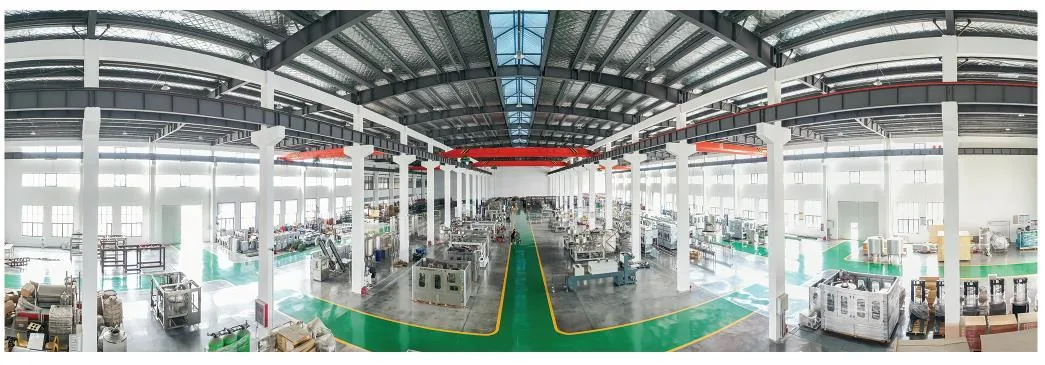
Real manufacturing reference from the Allot Tech Beverage Bottling Catalog 2026. Final equipment and layout remain project-specific.
01
Control the returned-container population before washing
The validation population must reflect bottles the plant will actually accept, including age, appearance and design variability. Establish receiving segregation and a well-lit inspection process before bottles enter shared equipment. Reject criteria protect both consumers and the washer from containers whose identity, material or history cannot be safely recovered.
Define eligible bottle families
Maintain controlled drawings, resin or material identification, neck and handle features, ownership marks and reuse limitations supported by the bottle supplier. Unknown, incompatible or materially altered containers should not enter the validated route merely because they fit the conveyor.
Inspect for prior misuse
Look and smell for fuel, solvent, pesticide, strong chemical, biological or other abnormal evidence using safe procedures. Establish an irreversible reject and escalation route. Do not ask operators to open or test a suspect bottle in a way that creates exposure.
Reject structural damage
Define inspection for cracking, crazing, deep scratching, neck damage, deformation, embedded material, opacity or other conditions that impair cleaning, closure or strength. Use approved visual standards and handling; cosmetic acceptance must not override a hygienic or structural concern.
Prevent rejected-bottle reentry
Physically segregate rejects, record reason categories and control destruction or disposition. Trend sources and routes. A reject bin beside the infeed is inadequate if bottles can be retrieved and placed back on the line without authorization.
02
Challenge every washer stage and the hardest internal surfaces
Map the installed stages, tank turnovers, nozzle positions, bottle rotation or inversion, solution recovery, filtration and drain periods. Select safe test soils or markers that represent the validated objective and can be completely removed after study. Include bottles whose geometry creates shadow areas, not only visually clean new controls.
Verify mechanical presentation
Observe loading, capture, inversion, internal and external nozzle alignment and drain-down across eligible bottle families. Challenge worn but acceptable dimensional extremes. Record station-by-station misses, bottle damage and the settings used.
Demonstrate delivered wash action
Measure project-specific time, temperature, chemical or physical action, flow and pressure where relevant at worst positions. Supply-tank readings do not demonstrate conditions inside every bottle. Use controlled instruments and account for solution demand during a production-length run.
Assess safe soil removal
Use appropriate recovery or inspection methods to compare before and after conditions at base, shoulder, handle and neck areas. State what the method detects. A visually clear surface does not prove removal of an invisible chemical or microbial residue.
Evaluate load and carryover
Challenge normal and defined maximum soiling within the accepted population, solution aging, bottle-to-bottle carryover and tank filtration. Confirm that an abnormal return cannot contaminate subsequent bottles beyond the system's controlled response.
Validation gate
Evidence
Acceptance basis
Required failure action
Incoming bottle
Identity, condition and misuse inspection
Approved eligible-family and reject standard
Segregate, record and prevent reentry
Wash action
Position-specific delivery and safe soil challenge
Test-derived envelope for installed washer
Correct stage, nozzle, chemistry or mechanics
Final rinse
Point-of-use water quality and residue evidence
Product- and authority-defined release basis
Hold route, extend approved rinse or investigate
Protected transfer
Bottle state from washer exit to cap or filler
Hygienic boundary and intervention rules
Restore hygiene and define affected bottles
03
Prove final-rinse suitability and stop chemical carryover
Final rinsing must remove prior-stage residues without recontaminating the bottle. Define the water specification at the nozzle, background conditions, analytical method and representative sample plan. Include startup, extended operation, stops and the end of the approved solution-use window where carryover risk can differ.
Control final-rinse water
Verify chemical, physical and microbiological suitability at point of use, including after idle periods. Map treatment, storage, piping and nozzle hygiene. A passing upstream sample does not cover a stagnant final branch or contaminated nozzle.
Measure relevant residues
Select methods for the actual detergent, disinfectant or marker and demonstrate capability around the acceptance decision. Account for bottle material adsorption and background water. Avoid relying solely on pH or odor unless validation shows they are suitable indicators.
Check cross-stage carryover
Observe drains, splash, mist, bottle movement and shared tanks to determine whether stronger solution enters later stages. Challenge pressure imbalance or partial blockage safely. Correct physical segregation before compensating with excessive final rinse.
Define affected-bottle boundaries
When concentration, temperature, flow or rinse evidence fails, identify bottles processed since the last verified acceptable state. Reject or hold them under a documented assessment. Do not use finished-product appearance to waive an unresolved washer deviation.
04
Protect washed bottles and sustain the validated state
The washer exit is a new hygienic boundary. Inspect conveyors, overheads, air, handling and time to filling or capping; prohibit uncontrolled manual rework. Convert the validation into operating recipes, solution management, checks, maintenance, reject trending and clear triggers for reassessment.
Guard the clean transfer
Minimize exposure and protect bottle openings from splash, condensate, hands and dirty surfaces. Define action after a stop or fallen bottle. If filling is not immediate, validate the maximum hold and environmental controls rather than assuming cleanliness persists.
Manage solution condition
Define preparation verification, replenishment, contamination or soil loading indicators, filtration, tank cleaning and replacement logic from validation evidence and supplier information. Calendar change alone may miss unusual loads; appearance alone may miss depleted chemistry.
Trend returns and washer performance
Review reject reasons, stage conditions, residue checks, microbial results, nozzle failures, bottle damage and source route. A shift in returned-container quality may invalidate the original worst-case basis before a formal equipment change occurs.
Revalidate material change
Assess new bottle design or resin, revised chemistry, stage timing, nozzle, tank, software, reuse policy, source route or sustained-load pattern. Retain supplier-confirmed material compatibility and repeat the affected challenges under controlled conditions.
R
References and verification boundary
These sources support the risk-control method on this page. They do not set project-specific legal limits, test frequencies, engineering values or approvals; verify the current edition and local applicability before a decision.
Can every returned five-gallon bottle be washed safely?
No. Unknown identity, evidence of hazardous misuse, structural damage or incompatible material can make recovery unacceptable. Validation depends on a defined eligible and reject population.
Is visual cleanliness enough for release?
No. Visual inspection is useful for some soils and damage, but relevant chemical residues, microbial condition and inaccessible internal areas need suitable evidence based on risk.
Can household returned bottles be mixed with known-route bottles?
Only after the plant assesses the different history and validates receiving, rejection and washing controls for that population. A broader return route may change the worst credible challenge.
How should a washer chemical limit be selected?
Use chemical-supplier information, bottle and equipment compatibility, worker-safety requirements, applicable hygiene rules and plant validation. Do not copy a concentration from an unrelated washer.
What inputs are needed to build a washer-validation plan?
Provide eligible bottle drawings and history, reject standards, stage P&ID and recipe, chemical data, point-of-use rinse-water specification, nozzle layout, return-quality data and applicable local requirements.
Move this project question forward
Need to resolve How to Validate Refillable Five-Gallon Bottle Washing for your water bottling plant?
Final rinsing must remove prior-stage residues without recontaminating the bottle. Define the water specification at the nozzle, background conditions, analytical method and representative sample plan. Include startup, extended operation, stops and the end of the approved solution-use window where carryover risk can differ.
Not sure which data matters? Send what you have and state the decision you need to make.
2. Attach the decision inputs
Define eligible bottle families
Verify mechanical presentation
Control final-rinse water
Guard the clean transfer
Send target capacity and SKUs, source-water report, site utility schedule, building layout and required project milestones.
3. Confirm the next planning step
The project desk can identify missing inputs and a practical next step. Final engineering, configuration, compliance and commercial terms remain project-specific.