How to Control Cap Cleanliness Before Bottled-Water Capping
Cap cleanliness is a controlled chain from the packaging supplier to the instant the closure meets the bottle, not a treatment step added beside the capper. Define the closure's delivered hygienic state, packaging configuration, shelf and open-container limits, transfer method, feed-equipment cleanability, permitted interventions and point-of-application checks. Map every place a cap can contact hands, dust, lubricants, condensate, compressed air or a soiled surface. Then set prevention, monitoring, hold and restoration rules according to the actual risk and current packaged-water hygiene requirements. Keep this program separate from torque, seal and tamper-evidence validation: a mechanically acceptable closure can still have an uncontrolled pre-application exposure.
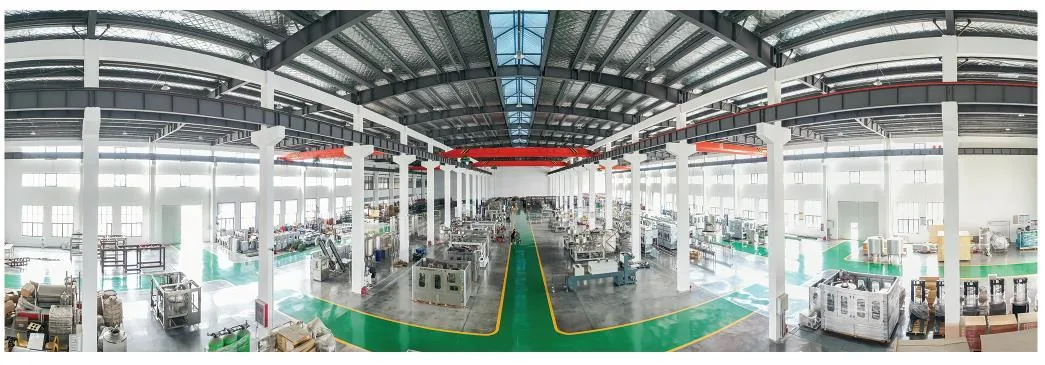
Real manufacturing reference from the Allot Tech Beverage Bottling Catalog 2026. Final equipment and layout remain project-specific.
01
Specify and preserve the supplier-delivered closure state
The plant should agree with the closure supplier what cleanliness-related controls and evidence accompany each lot. Receiving inspection cannot recreate a supplier's hygienic process, so qualification, protected packaging and change notification are fundamental. Define what the outer case, inner liner or bag is expected to protect and how a breached package is dispositioned.
Define hygienic purchasing requirements
Document food-contact suitability for the intended use, manufacturing and packing controls, lot identity, packaging integrity, storage conditions and agreed change notification. Do not infer hygienic suitability from cap color, price or a generic certificate unrelated to the supplied closure and market.
Inspect without contaminating
Receive in a designated area and examine identity, damage, moisture, pests, foreign material and seal or liner condition using a controlled sampling method. Avoid opening more inner packaging than necessary. Record the exact lot and package unit inspected.
Protect closed stock
Store closures off the floor in a clean, dry, controlled area separated from chemicals, maintenance material and strong odors. Use inventory rotation and preserve lot identity. Building dust control does not justify leaving inner bags open.
Control opened packages
Define who may open them, where, how the opening is protected, how partial bags are reclosed and labeled, and the approved exposed-life basis. If exposure conditions or time exceed the approved state, hold the caps for an assessed disposition rather than relabeling them as new.
02
Map contamination opportunities through the cap-feed path
Walk one closure from inner packaging through loading, hopper, elevator, sorter, chute and capper. Observe normal running, replenishment, jams, changeover, sanitation and restart. Include surfaces above the path and utilities such as air. The map should distinguish food-contact cap surfaces from external surfaces and identify any return or recirculation route.
Control manual loading
Provide clean loading tools and a defined method that prevents hands, sleeves, outer packaging and floor-level containers from entering the cap contact zone. Locate waste and damaged-cap bins so rejected closures cannot be tipped back into the hopper.
Design cleanable feed equipment
Assess dead zones, overlapped plates, brushes, belts, bowls, rails, covers and access panels. Define cleaning and inspection by surface and soil risk. A polished visible hopper does not demonstrate that concealed elevator or chute surfaces are controlled.
Protect from overhead and air risks
Review dust, roof or pipe condensate, lubricants, fastener loss, nearby traffic and any air jets touching cap surfaces. Where compressed air contacts closures, link the point of use to a risk-based purity specification and verification plan.
Manage cap recirculation
If caps can remain in or return through the system after a stop or fault, define maximum approved exposure and hygienic state. Prevent floor-recovered, dropped or manually handled caps from rejoining good product without an explicit, validated recovery route.
Cap-path step
Primary exposure evidence
Routine control
Loss-of-control action
Receipt and closed storage
Package integrity, lot identity and environment
Protected inventory and inspected opening state
Segregate damaged or suspect units
Hopper loading
Tool, operator and outer-packaging observation
Defined clean loading method
Stop, remove exposed caps and restore area
Elevator, sorter and chute
Surface map, overhead review and intervention history
Cleanliness inspection and protected covers
Hold affected path; clean and inspect
Cap presentation
Point-of-application condition and utility state
Defined sampling or observation program
Define bottle boundary and investigate
03
Choose treatment or monitoring only after defining the risk
Some plants use a cap treatment step; others rely on validated supplier and handling controls. The choice must follow the hazard analysis and product process, not a marketing assumption that more treatment is always safer. Any chemical, UV, air or other method needs evidence for the actual cap geometry, material, dose delivery, residue and operating state.
State the intended treatment claim
Define whether the step removes loose material, reduces a specified microbial challenge or serves another purpose. Do not call it sterilization without an appropriately validated process. Identify surfaces reached and limitations created by cap orientation or nesting.
Validate delivered action
Measure or challenge treatment at representative positions, speeds and cap formats, including startup and stops. Use safe methods and controlled instruments. A lamp status, pump command or supply-tank result does not prove action on the food-contact surface.
Assess cap and product compatibility
Review resin, liner, print and tamper feature compatibility plus possible residues, odors or mechanical effects. Obtain supplier-confirmed material information and verify actual conditions. A hygienic intervention must not compromise sealing performance.
Design meaningful surveillance
Select inspection or sampling locations and frequencies from risk, supplier history and process exposure. Trend findings by lot, shift, feeder and event. Routine testing cannot compensate for uncontrolled handling, and a negative sample does not prove every cap remained protected.
04
Control interventions, stops, failures and change
Most cap-path failures occur outside steady running: a jam is cleared, a cover is removed, caps spill, air fails or the line sits exposed. Write executable decisions for these states and give the operator authority to stop and segregate. Connect the cap boundary to bottles already capped so potentially affected finished product is not lost in line accumulation.
Use hygienic jam-clearing methods
Define permitted tools, hand hygiene or gloves where appropriate, cap removal and surface restoration. Identify caps and bottles exposed since the last acceptable state. Restart only after covers, feed condition and any treatment controls are verified.
Respond to spill or package breach
Never sweep or scoop floor-exposed caps back into production. Segregate the package or lot portion, preserve evidence, clean the area and assess adjacent stock. Record recurrence so packaging or loading design can be improved.
Set idle and restart rules
Define how long caps may remain exposed under validated environmental conditions, or use a risk-based purge when the limit is exceeded. Inspect for condensate, dust, pests and maintenance activity. Do not invent a universal exposure time.
Review material or equipment change
Reassess new cap resin, liner, format, supplier packaging, feeder, air system, treatment, line speed or room condition. Link cleanliness qualification with separate torque and seal validation, while keeping each decision and evidence distinct.
R
References and verification boundary
These sources support the risk-control method on this page. They do not set project-specific legal limits, test frequencies, engineering values or approvals; verify the current edition and local applicability before a decision.
Not automatically. The decision depends on supplier state, handling exposure, product process, hazard analysis and applicable requirements. If treatment is used, its actual duty must be validated.
Can dropped caps be put back after a visual check?
No uncontrolled return should occur. Floor exposure introduces unknown contamination; segregate the caps and follow an approved disposition route.
Does cap cleanliness testing replace supplier qualification?
No. Testing samples a small portion and cannot recreate manufacturing controls. Use supplier qualification, protected packaging, process prevention and risk-based surveillance together.
Is this the same as cap torque validation?
No. Cleanliness covers hygienic state before application. Torque, seal and tamper evidence address mechanical package performance after application, although a change may affect both.
What should be provided for a cap-path review?
Send cap drawings and material data, supplier packaging specification, storage and open-bag rules, feed-equipment layout, air-use map, sanitation method, intervention records and current hygiene criteria.
Move this project question forward
Need to resolve How to Control Cap Cleanliness Before Bottled-Water Capping for your water bottling plant?
Some plants use a cap treatment step; others rely on validated supplier and handling controls. The choice must follow the hazard analysis and product process, not a marketing assumption that more treatment is always safer. Any chemical, UV, air or other method needs evidence for the actual cap geometry, material, dose delivery, residue and operating state.
Not sure which data matters? Send what you have and state the decision you need to make.
2. Attach the decision inputs
Define hygienic purchasing requirements
Control manual loading
State the intended treatment claim
Use hygienic jam-clearing methods
Send target capacity and SKUs, source-water report, site utility schedule, building layout and required project milestones.
3. Confirm the next planning step
The project desk can identify missing inputs and a practical next step. Final engineering, configuration, compliance and commercial terms remain project-specific.