How to Validate Product-Water System Cleaning and Disinfection
Cleaning and disinfection validation should demonstrate that the approved routine cycle reaches the hardest credible parts of the product-water system, delivers the intended action, removes process and chemical residues, and leaves the circuit fit for its next use. Begin with an accurate circuit and valve-state map, define the soil or microbial challenge that the cycle is intended to control, and identify worst-case locations by hydraulics, geometry, surface condition, hold time and operating history. Establish project-specific acceptance criteria from applicable guidance, risk assessment and qualified studies. Do not copy a universal chemical concentration, temperature or time: chemistry, materials, organisms, equipment and local requirements determine the validated envelope.
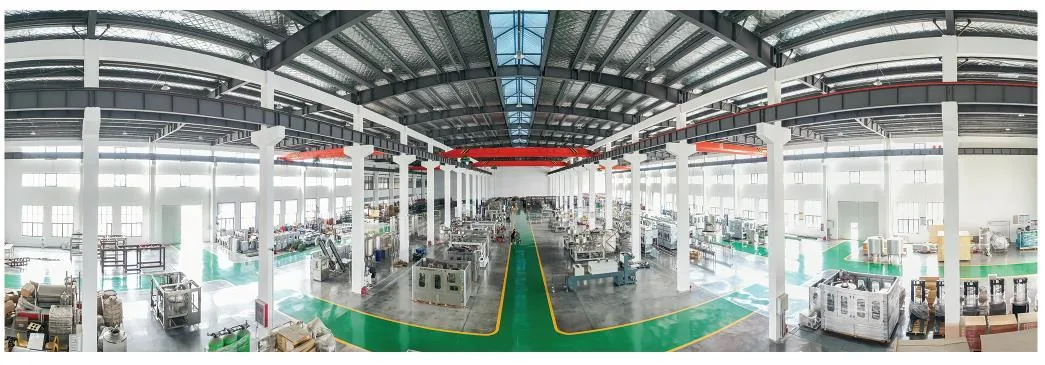
Real manufacturing reference from the Allot Tech Beverage Bottling Catalog 2026. Final equipment and layout remain project-specific.
01
Define the circuit, intended result and worst credible case
A validation protocol needs a controlled scope. Mark every tank, loop, branch, valve, instrument pocket, filter housing, filler interface, sample point and return or drain path included in the cycle. Record what is cleaned separately, manually cleaned or excluded, and how the boundary is protected during the validated operation.
Map actual flow states
Verify piping and valve sequences in the field. Include parallel paths, minimum-flow branches, high points, low points, temporary hoses, standby equipment and routes that open only during certain formats. A software recipe cannot prove that liquid reaches the intended metal surface.
Define the challenge rationale
Use operating evidence to identify likely mineral, organic, lubricant, chemical or microbial residues and where they accumulate. Select safe surrogates or test methods appropriate to the objective. Do not deliberately introduce a hazardous organism into production equipment.
Choose worst-case conditions
Consider longest branch, weakest flow, largest vessel, shadowed fitting, poorest drainability, longest production run, most difficult product state and minimum approved cycle settings. Explain why the selected case bounds easier circuits or validate those circuits separately.
Confirm material compatibility
Obtain supplier-confirmed limits for seals, membranes, instruments, surfaces and filters exposed to the cycle. Review chemical handling and worker safety with qualified personnel. Effective disinfection that damages a gasket or measurement probe is not a sustainable validated process.
02
Prove hydraulic coverage and delivered cycle conditions
Validation should capture what each worst-case location actually experiences, not only the setpoint at the supply skid. Use calibrated or otherwise controlled instruments and documented sampling points to compare supply, return and remote branches. Account for sensor response, mixing, heat loss, chemical demand and sequence transitions.
Verify concentration or action
Measure the relevant chemical, physical or disinfectant parameter at locations justified by the circuit study. Link method range and uncertainty to the acceptance decision. A dosing-pump command or make-up tank result does not demonstrate the concentration at a remote return.
Measure time at condition
Define when effective exposure begins at each monitored point, after the minimum required condition is achieved there. Distinguish total recipe duration from effective contact. Use synchronized data where sequence and valve timing affect coverage.
Assess flow and turbulence evidence
Use design calculations, flow or pressure measurements, return behavior and targeted challenge observations to show solution movement. Interpret results with geometry and supplier information; avoid publishing one universal velocity as proof for every tank and branch.
Challenge alarms and interlocks
Demonstrate response to low flow, low action condition, wrong valve state, interrupted return or incomplete step as applicable. Verify that the recipe cannot advance or declare success after an unacknowledged critical failure.
Validation element
Worst-case evidence
Acceptance basis
Failure response
Circuit coverage
Field-verified path, remote point and return behavior
Project-specific hydraulic rationale
Correct path, hardware or sequence and repeat
Delivered action
Controlled measurement at justified locations
Validated chemical or physical envelope
Hold circuit; investigate dosing, demand or sensor
Effective exposure
Time above the accepted condition by location
Study-derived minimum under stated conditions
Invalidate cycle or assess under approved protocol
Rinse and release
Residue, microbiology and system-state evidence
Authority- and risk-defined criteria
Continue controlled rinse, investigate and retest
03
Demonstrate residue removal and hygienic release
A cycle is not complete when disinfection contact ends. Define rinsing, draining, restoration and protection through the next production start. Sampling should represent the circuit and decision, with methods capable at the required level. Release criteria may combine chemical residue, physical condition, microbial evidence and completion records according to risk.
Set a rinse endpoint
Identify the relevant residue and a suitable measurement method rather than relying only on water appearance or a generic conductivity value. Establish the endpoint from chemical information, product requirements and local rules. Account for background water where it affects interpretation.
Plan representative sampling
Include return, remote branches, tank outlet, filler interface or other justified points, and state timing, flushing state and aseptic technique. More samples do not compensate for poorly selected locations. Preserve sample identity and deviations.
Protect the restored system
Define final drain or displacement, filter state, vent protection, closed-loop status, maximum approved hold and startup action. Prevent maintenance or open interventions after release unless a documented hygienic restoration route is followed.
Separate validation from routine release
The validation study establishes the capable cycle and monitoring envelope. Each routine cycle still needs completion and exception review, plus whatever release checks the site's approved program requires. Do not turn every routine record into a partial revalidation without a decision rule.
04
Control deviations, changes and revalidation triggers
Approve a validation report only after raw data, exceptions and method limitations are reviewed. Translate the validated configuration into routine recipes, alarm limits, operator instructions and maintenance controls. Define changes that require technical assessment or revalidation so the evidence does not become detached from the installed circuit.
Investigate failed evidence
Hold the affected circuit and any product whose hygienic status depends on the cycle. Confirm instrument and sample validity, then investigate hydraulics, chemical preparation, demand, valve state, surface condition and execution. Repeating the test without a cause assessment is not corrective action.
Lock validated parameters
Control recipe setpoints, allowable ranges, step logic, permissions and software revisions. Make bypasses visible and authorized. Maintenance that changes a valve, spray device, return restriction or sensor location should trigger an impact review before routine use.
Trend routine performance
Review cycle completion, chemical use, return profiles, rinse duration, microbiology and recurring alarms. Drift inside individual acceptance limits may still indicate fouling, sensor bias or changing hydraulic resistance worthy of early intervention.
Define revalidation events
Assess new circuits, equipment, materials, chemicals, cycle logic, prolonged operation, major repair, repeated failure or emerging microbial trends. Base the depth of revalidation on documented impact; do not wait automatically for a calendar interval if the system has materially changed.
R
References and verification boundary
These sources support the risk-control method on this page. They do not set project-specific legal limits, test frequencies, engineering values or approvals; verify the current edition and local applicability before a decision.
Is a successful clean-water rinse enough to validate disinfection?
No. Validation must address the intended soil or microbial control, delivered cycle conditions, worst-case coverage, residue removal and protected release. Clear rinse water proves very little by itself.
Can the chemical supplier's recommended cycle be used unchanged?
It is valuable input, but the plant must verify material compatibility, circuit delivery, local safety requirements and effectiveness in its installed system. Supplier advice does not validate remote branches or valve sequences.
Must every point be sampled?
Not necessarily. Select locations from a documented worst-case and circuit rationale, supported by hydraulic evidence. The plan must explain how sampled points represent the validation decision.
What happens after an incomplete routine cycle?
Keep the system and potentially affected product under control, investigate the failure, execute an approved recovery cycle or assessment, and document release authority. Do not simply reset the recipe status.
What inputs are needed for a validation protocol?
Provide current P&IDs, valve and recipe logic, equipment and material data, chemical information, operating history, existing microbial or residue trends, sample-point map and applicable release requirements.
Move this project question forward
Need to resolve How to Validate Product-Water System Cleaning and Disinfection for your water bottling plant?
A cycle is not complete when disinfection contact ends. Define rinsing, draining, restoration and protection through the next production start. Sampling should represent the circuit and decision, with methods capable at the required level. Release criteria may combine chemical residue, physical condition, microbial evidence and completion records according to risk.
Not sure which data matters? Send what you have and state the decision you need to make.
2. Attach the decision inputs
Map actual flow states
Verify concentration or action
Set a rinse endpoint
Investigate failed evidence
Send target capacity and SKUs, source-water report, site utility schedule, building layout and required project milestones.
3. Confirm the next planning step
The project desk can identify missing inputs and a practical next step. Final engineering, configuration, compliance and commercial terms remain project-specific.