How to Verify Bottled-Water Product Names and Label Claims
Words such as spring, mineral, purified, reverse-osmosis treated, distilled or added minerals are product-identity decisions, not interchangeable marketing phrases. Build a claim register that connects every proposed name, descriptor, composition statement, source statement and treatment claim to the actual source-to-bottle process and the current rule in each destination market. Preserve source rights and characterization, treatment records, formula or blend evidence, finished-product specification, responsible-party details and approved artwork. Codex and FDA bottled-water resources illustrate official identity frameworks, but local law controls the final name and mandatory text. A translation can change legal meaning, so every language and market variant requires qualified review rather than automated word substitution.
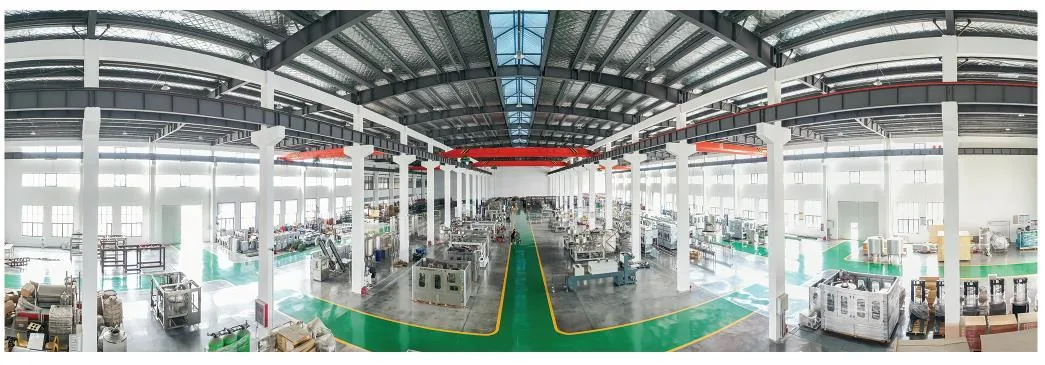
Real manufacturing reference from the Allot Tech Beverage Bottling Catalog 2026. Final equipment and layout remain project-specific.
01
Prove the source, treatment and composition behind the name
Begin with a controlled product definition independent of artwork. Identify every water stream, treatment step, added constituent and blend, plus the specification at release. Compare that reality with candidate legal identities in each market. Do not choose the appealing front-label name first and reverse-engineer evidence later.
Document source identity
Preserve source type, location or protected identity where required, ownership or supply agreement, characterization, vulnerability assessment and any name-specific conditions. A tanker receipt or municipal bill may prove supply but not automatically substantiate a spring or natural mineral claim.
Map every treatment
List filtration, disinfection, RO, distillation, deionization, ozonation, remineralization, blending and other steps in order, including processing aids or gases. Verify whether the treatment changes the permitted identity or requires a statement in the destination market.
Control composition and additions
Link approved ingredients or minerals, formula, supplier evidence, dosing records and finished-product tests. Distinguish naturally present constituents from added ones. Do not imply a health effect from mineral presence without separate lawful substantiation.
Define responsible product specification
Create one controlled document covering identity, essential composition, treatment, package, shelf conditions and release tests. Make the regulatory owner approve changes before production so labels and process recipes cannot drift independently.
02
Use a claim-to-evidence register for every sales market
The register should break artwork into individual claims and mandatory statements. For each, capture exact wording, language, placement context, applicable jurisdiction, legal source, evidence file, owner, approval and review trigger. This prevents a lawful technical fact from being expressed in a misleading or unauthorized way.
Classify each statement
Separate legal product name, treatment descriptor, source statement, composition declaration, nutrition or mineral claim, environmental statement, quality promise and voluntary marketing phrase. Different evidence and reviewers may apply even when statements appear in one sentence.
Check current authority text
Link the exact market and effective rule, guidance or official interpretation used. Record unresolved questions and qualified advice. Do not cite a global standard as automatic permission where national or regional law differs.
Match wording to evidence
Test the ordinary consumer meaning as well as technical accuracy. A process may use RO without making the whole product name lawful in a particular form. Qualifiers, prominence and nearby imagery can change the overall impression.
Control translations
Use a technical and legal language review that preserves identity distinctions, mandatory terminology and measurement units. Back-translation can help find drift but is not legal approval. Maintain a separate approved text block for each language/market combination.
Register field
Question answered
Evidence file
Approval owner
Product name
What identity is lawful for this source and process?
Source, treatment and current market rule
Regulatory or qualified legal reviewer
Treatment or composition claim
Does exact wording match actual operation and tests?
Process map, formula, records and specification
Quality plus regulatory
Mandatory statement
What text, unit, party or origin detail is required?
Market checklist and controlled master data
Market launch owner
Translation/artwork state
Has meaning, prominence and version been approved?
Localized proof and signed review
Named language and legal reviewers
03
Review the complete label, not isolated words
Compliance and consumer meaning arise from the whole presentation: front and back panels, source imagery, water drops, mountains, maps, certification marks, composition tables, instructions, responsible party and digital links. Conduct technical, regulatory, measurement and print reviews on a production-scale proof before release.
Verify mandatory particulars
Confirm nominal quantity, responsible party, source or treatment statements, lot/date information, language, units, nutrition or composition information and other market-specific items. Use current checklists and qualified review; this page does not prescribe universal label contents.
Evaluate overall impression
Review images, typography, relative prominence and nearby qualifiers for implied source, purity, health or environmental messages. A technically true sentence can still create an unsupported overall impression when paired with evocative graphics.
Connect coding and traceability
Ensure artwork reserves readable space and contrast for required lot or date codes and that variable data match the traceability architecture. Test actual printer, label, bottle surface, line speed and distribution rub, not only the design PDF.
Verify print and material execution
Check approved colors, text, barcode or data carrier, adhesive or sleeve fit and migration or food-contact boundary where relevant. Compare production samples with the signed master and control obsolete rolls or files.
04
Control launch, deviations and post-launch change
No label should reach the line until product definition, evidence register, translations and production proof are approved for the destination. Link label item codes and recipes so the wrong market version cannot be selected casually. Retain source records and periodic reviews for claims that depend on changing suppliers, compositions or regulations.
Create a line-clearance gate
Verify correct SKU, market, language, label roll or sleeve, cap and case, then remove obsolete materials from the area. Challenge scanner or recipe controls where used. Define affected quantity after a wrong-label discovery.
Hold mismatched product
Stop application, segregate line and warehouse stock, preserve samples and determine product, lot, market and claim impact. Rework or relabel only through an approved technical and legal disposition; do not ship to another market by assumption.
Monitor claim evidence
Review source status, process and formula records, supplier changes, analytical trends, consumer feedback and regulatory updates. Claims should expire or trigger review when their evidence changes rather than remain permanently approved in an artwork archive.
Route changes before use
Assess new source, treatment, mineral, blend, package, recycling percentage, responsible party, language, unit, market or artwork emphasis. Update every linked label and digital page. A small front-panel edit may reopen product-identity or substantiation review.
R
References and verification boundary
These sources support the risk-control method on this page. They do not set project-specific legal limits, test frequencies, engineering values or approvals; verify the current edition and local applicability before a decision.
Do not assume so. Product identity depends on source, treatment, composition and the destination market's current rules. Obtain qualified regulatory review for the exact product.
Is a technically true claim always acceptable?
No. Legal categories, required qualifiers, prominence and overall consumer impression can matter. The exact wording and context need market-specific review.
Can one English label be translated for every country?
Not safely by word substitution. Mandatory terminology, units, product identities and claim rules differ. Author and approve each market/language version against the same controlled product evidence.
Does a laboratory result prove a health claim?
No. Composition evidence alone does not establish a permitted health benefit. Such claims require separate substantiation and authorization under applicable law.
What inputs support a label-claim review?
Provide source and treatment evidence, product specification and formula, destination markets, exact claim list, current artwork and translations, packaging data, responsible-party details and applicable official sources.
Move this project question forward
Need to resolve How to Verify Bottled-Water Product Names and Label Claims for your water bottling plant?
Compliance and consumer meaning arise from the whole presentation: front and back panels, source imagery, water drops, mountains, maps, certification marks, composition tables, instructions, responsible party and digital links. Conduct technical, regulatory, measurement and print reviews on a production-scale proof before release.
Not sure which data matters? Send what you have and state the decision you need to make.
2. Attach the decision inputs
Document source identity
Classify each statement
Verify mandatory particulars
Create a line-clearance gate
Send target capacity and SKUs, source-water report, site utility schedule, building layout and required project milestones.
3. Confirm the next planning step
The project desk can identify missing inputs and a practical next step. Final engineering, configuration, compliance and commercial terms remain project-specific.