How to Manage RO Reject Water and Recovery in a Bottling Plant
RO concentrate is not simply unused clean water. It contains the constituents rejected by the membrane at elevated concentration, plus upstream treatment residuals or conditioning chemicals. A defensible plan begins with a measured feed-permeate-concentrate balance across real operating states and a representative concentrate analysis. Set recovery inside the scaling and membrane-performance envelope, then evaluate each discharge, collection or reuse route against local approval, chemistry, microbiology, cross-connection, storage, reliability and total environmental consequence. EPA treatment and residuals resources can inform the assessment, but the competent local authority decides allowable discharge or reuse. Never route concentrate to a floor drain or critical utility merely because the stream looks clear.
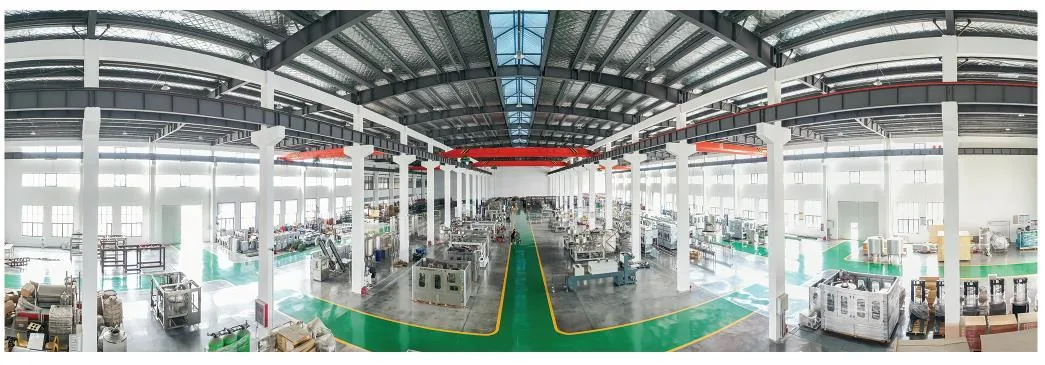
Real manufacturing reference from the Allot Tech Beverage Bottling Catalog 2026. Final equipment and layout remain project-specific.
01
Measure a complete water and constituent balance
Capture steady operation, startup, flushing, shutdown, clean-in-place and pretreatment regeneration separately. Reconcile instrument readings with tank or production records and account for rejected product water, sampling and meter uncertainty. A single design recovery percentage does not reveal actual daily concentrate volume or peak flow to the receiving system.
Define flow boundaries
Map source, pretreatment losses, RO feed, recycle if any, permeate, concentrate, flushes and drains with meter locations and data ownership. Keep instantaneous, batch and daily bases distinct. Identify unmetered estimates so they are not mistaken for measured performance.
Characterize concentrate quality
Analyze constituents relevant to discharge, reuse, storage and safety, including concentrated source ions, metals or organics, pH, residual oxidant or reductant, antiscalant and microbiological condition as indicated. Use representative recovery and source states.
Quantify variability and peak
Include source blend, temperature, membrane staging, product demand, tank level control, flush logic and cleaning events. The average discharge may fit a sewer while the instantaneous concentrate plus backwash peak overwhelms a small sump or treatment step.
Check mass consistency
Compare constituent loads using feed, permeate and concentrate data, allowing for measurement uncertainty and process additions. Large unexplained differences may indicate sampling, meter, precipitation or bypass problems that must be resolved before reuse design.
02
Set recovery from chemistry and reliability, not a water-saving slogan
Higher recovery reduces concentrate flow but increases concentration, scaling pressure and sometimes cleaning or pretreatment burden. Use full chemistry and a version-controlled membrane projection to define the allowed range. Evaluate lifecycle water use, uptime and product risk together rather than maximizing one ratio in isolation.
Respect the scaling envelope
Model candidate recovery across source variability, pretreatment leakage and temperature. Identify the limiting constituent and control margin. Do not raise recovery beyond validated chemistry because a pump can produce the pressure.
Protect membrane performance
Consider flux distribution, pressure, salt passage, staging, cleaning frequency and membrane life. A nominal recovery increase may create disproportionate fouling, chemical use or downtime. Confirm normalized trends during a controlled trial.
Align with demand and tanks
Analyze variable permeate demand, recirculation, start-stop cycling and storage. A plant may run less efficiently or generate more flush water when oversized RO repeatedly stops. Use operating scenarios, not only maximum nameplate flow.
Use controlled optimization
Change recovery in bounded steps with approved projections, baseline instruments, product protection and stop criteria. Review concentrate quality and receiving capacity at each case. Preserve results even if the higher-recovery case is rejected.
Disposition route
Evidence needed
Critical safeguard
Approval gate
Permitted sewer or treatment discharge
Peak flow, full chemistry and receiving capacity
Segregation, monitoring and backflow control
Current local discharge authorization
Dedicated collection
Tank sizing, materials, vent, overflow and variability
Identity, containment and controlled destination
Site safety and waste-route approval
Defined nonproduct reuse
Fit-for-purpose quality, demand and reliability
Physical separation and cross-connection protection
Risk owner plus local permission
Further treatment or recovery
Concentrate chemistry, scaling and residual stream
Independent failure and disposal assessment
Techno-economic and authority review
03
Evaluate every reuse candidate as a new utility supply
Reuse can be valuable when a stable demand matches concentrate quality, but each candidate needs an intended-use specification and failure analysis. Candidates might be assessed for certain cleaning, cooling, irrigation or sanitary uses only where lawful and technically suitable; none is automatically acceptable. Product-contact reuse requires a much stronger safety basis and should not be implied by this list.
Match quality to intended use
Compare concentrate chemistry, microbiology, temperature and additives with equipment, worker, environmental and process requirements. Include worst credible source and recovery states. A use that tolerates hardness may still be incompatible with chlorides, silica or antiscalant.
Match supply to demand
Plot concentrate production against hourly and seasonal reuse demand. Size storage for realistic imbalance and provide a safe overflow or fallback. Avoid creating a system that forces unsafe use merely to prevent a tank from filling.
Prevent cross-connection
Use clearly identified, physically protected piping, suitable backflow prevention, controlled connections and training. Analyze pressure reversals and maintenance hoses. Color coding alone does not prevent concentrate from entering product or potable systems.
Control storage deterioration
Assess stagnation, temperature, microbial growth, precipitation, corrosion, vent protection and cleaning. Define turnover, monitoring and reject logic. Water that met a reuse specification at the RO outlet may not remain suitable after uncontrolled storage.
04
Commission meters, alarms, fallback and compliance evidence
The installed system should demonstrate normal and abnormal routing without endangering product water or the receiving system. Challenge high tank level, unavailable reuse demand, out-of-spec quality, valve or pump failure and power loss as safely appropriate. Establish a current approval file and routine review because discharge conditions and source chemistry can change.
Verify routing and interlocks
Trace valves and pipes in the field, challenge destination selection and confirm overflow cannot enter a product, potable or uncontrolled area. Require a defined safe default when control power or communications fail.
Monitor the controlling variables
Trend feed, permeate and concentrate flows, recovery, relevant chemistry, tank levels, destination and abnormal events. Calibrate or check decision-critical meters. A dashboard percentage without reconciled flow data is not a reliable water balance.
Maintain a lawful fallback
Provide an authorized destination when reuse is unavailable or concentrate is out of specification. Confirm peak capacity and notification steps. Never make continued production dependent on an unapproved emergency discharge.
Review changes and permits
Reassess source, pretreatment chemical, antiscalant, recovery, membrane, reuse demand, storage or receiving limits. Retain current analyses, correspondence, approvals and monitoring records. A historic permit should not be assumed to cover a new concentrate composition.
R
References and verification boundary
These sources support the risk-control method on this page. They do not set project-specific legal limits, test frequencies, engineering values or approvals; verify the current edition and local applicability before a decision.
Is RO reject water safe because the feed water was potable?
Not automatically. RO concentrates rejected constituents and may contain treatment chemicals. Suitability depends on representative analysis, intended use and applicable approval.
Should RO recovery always be maximized?
No. Higher recovery can increase scaling, fouling, cleaning and reliability burden. Optimize within the validated chemistry, membrane and concentrate-management envelope.
Can concentrate be used for floor cleaning?
Only after a specific quality, hygiene, slip, chemical, cross-connection and local-rule assessment. No reuse candidate is approved merely by naming it.
Can concentrate go directly to a drain?
Only to an identified receiving route that is technically capable and currently authorized. Verify chemistry, peak flow, residuals and monitoring; a nearby floor drain is not evidence.
What inputs support a reject-management study?
Provide full feed and concentrate analyses, RO projection, operating flow data, pretreatment chemicals, discharge approvals and limits, site drainage, candidate reuse demands, storage constraints and source variability.
Move this project question forward
Need to resolve How to Manage RO Reject Water and Recovery in a Bottling Plant for your water bottling plant?
Reuse can be valuable when a stable demand matches concentrate quality, but each candidate needs an intended-use specification and failure analysis. Candidates might be assessed for certain cleaning, cooling, irrigation or sanitary uses only where lawful and technically suitable; none is automatically acceptable. Product-contact reuse requires a much stronger safety basis and should not be implied by this list.
Not sure which data matters? Send what you have and state the decision you need to make.
2. Attach the decision inputs
Define flow boundaries
Respect the scaling envelope
Match quality to intended use
Verify routing and interlocks
Send target capacity and SKUs, source-water report, site utility schedule, building layout and required project milestones.
3. Confirm the next planning step
The project desk can identify missing inputs and a practical next step. Final engineering, configuration, compliance and commercial terms remain project-specific.