State the mechanism
Record which condition caused the stop and how it was confirmed. Retain unresolved possibilities as investigation items instead of presenting them as the cause.
Factory planning for water bottling projects
Plant buying and operating worksheets
A useful maintenance plan connects a failure mode to an effective task. Begin with what the equipment must do, identify how that function can fail and choose work that can detect or prevent the failure in time.
Answer first
Review safety, hygiene, quality, production and recovery consequences for each asset function. Identify the failure mode and choose an effective inspection, condition check or scheduled task using manufacturer guidance and plant history. Assign an owner, interval basis and acceptance criteria for the completed work.
01
Keep serious safety or product-protection consequences visible rather than averaging them into a general equipment score. An asset that seldom stops can still perform a critical protective function.
| Function | Failure consequence to examine | Planning question |
|---|---|---|
| Hygienic product containment | Loss of product protection or an uncertain production boundary | Which approved inspection or verification identifies deterioration? |
| Cap application | Closure defects, rejects or delayed detection | Which checks reveal tooling or handling problems before release? |
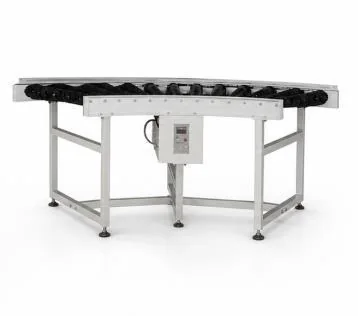
| Conveyor movement | Starvation, blockage, bottle damage or access hazards | Which recurring defects are visible and actionable? |
| Utility supply | Loss of air, power, cooling or water at the required condition | What warning and recovery time does the plant have? |
02
Do not add a task solely because it appears on a generic calendar. A task should have a defined finding and an action the maintenance team can take.
| Approach | When it can help | Evidence of completion |
|---|---|---|
| Condition check | A detectable condition changes before loss of function. | Measurement, operating state, trend and action limit |
| Scheduled service | An approved service activity addresses a known age- or use-related mechanism. | Parts, method, actual condition and functional return check |
| Functional verification | A hidden function needs an approved test to establish availability. | Test steps, actual response and disposition |
| Corrective work | An abnormal finding already requires repair or replacement. | Fault, correction and documented return to service |
03
Illustration only: a line experiences recurring conveyor stops after a format change. Adding more general lubrication may not address the cause. Review alignment, approved settings, wear, material interaction and the actual stop evidence with the equipment supplier.
Record which condition caused the stop and how it was confirmed. Retain unresolved possibilities as investigation items instead of presenting them as the cause.
Identify the inspection location, method, permitted condition and corrective route from the approved equipment documentation.
Compare the recurrence and lost output over comparable formats and running hours. Close the work order only after the required functional and production checks.
04
Use manufacturer requirements and applicable obligations as the starting constraints. Where adjustment is allowed, change intervals using observed condition and failure history, with a documented review.
An interval depends on duty, environment, material, operating hours and the failure mechanism. This guide does not prescribe daily, monthly or annual service intervals.
Record the consequence, interim control, responsible approver and revised due date. Do not erase an overdue task by moving the date without review.
Identify the asset, technician, work performed, measurements, parts and abnormalities. Complete the approved guarding, sanitation and functional return checks before normal use.
R
The references support the underlying method. The bottling examples and worksheet structures are independently authored planning aids; project requirements determine the final design and acceptance criteria.
Introduces preventive, predictive and reliability-centered approaches. It does not prescribe bottling-equipment service intervals.
Buyer questions
No. Effective plans can combine time- or usage-based service, condition checks, functional verification and corrective work.
Frequency matters, but so do safety, hygiene, quality, production and recovery consequences. Review those dimensions explicitly.
Only through an appropriate review of the task, evidence, manufacturer constraints and applicable requirements. A few normal observations alone may be insufficient.
Move this project question forward
Calendar tasks can consume labor while hidden critical failure modes remain unchecked and repeated breakdowns are treated as normal.
Not sure which data matters? Send what you have and state the decision you need to make.
Send shift pattern, operating days, staffing plan, production records and recurring downtime or maintenance issues.
The project desk can identify missing inputs and a practical next step. Final engineering, configuration, compliance and commercial terms remain project-specific.
Allot Tech (Suzhou) Co., Ltd. · sales@allottech.com · Project telephone: +86 186 6213 1120 / +1 818 262 0958