How to Specify Food-Contact Compressed Air for Water Bottling
Compressed air that touches a bottle interior, cap, product or food-contact surface needs a hygienic specification at the point of use. Begin with an air-use map and classify direct product contact, indirect food-contact-surface contact, packaging exterior use and noncontact service. For each significant point, assess particles, liquid water and humidity, total oil or other compressor-related contamination, microorganisms and local environmental ingress. ISO 8573-1 offers a vocabulary for major compressed-air contaminants, but the plant must select risk-based classes or limits and additional microbial criteria for its application. Compressor capacity, receiver volume and header pressure belong to utility design; this page owns contact risk and proof at the nozzle.
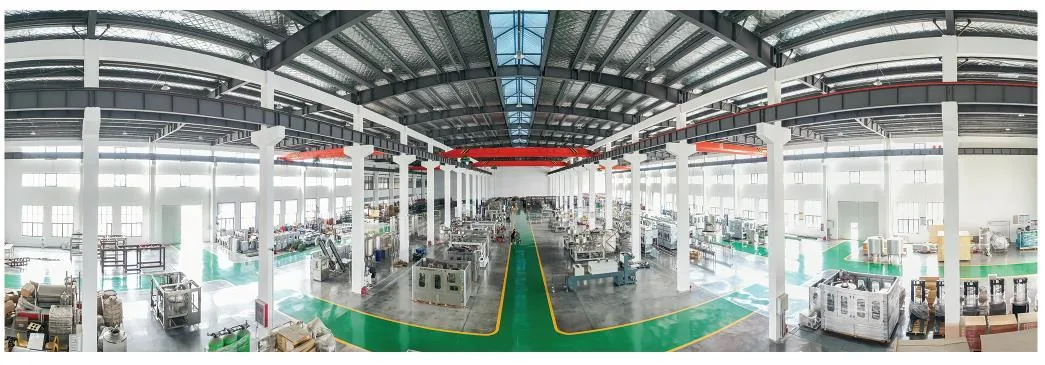
Real manufacturing reference from the Allot Tech Beverage Bottling Catalog 2026. Final equipment and layout remain project-specific.
01
Build a point-by-point contact and failure map
Walk the P&ID and line with operations and quality. Include bottle blowing where relevant, bottle rinsing or drying, cap treatment, product displacement, tank blanketing, instrument purges, aseptic or clean-air barriers and maintenance blow-off. Record the exact discharge location, duration, flow direction and what happens if oil, condensate or particles pass through.
Classify contact honestly
Direct contact includes air that enters product or the inside of a bottle even if exposure is brief. Indirect contact includes air used on a surface that will later contact product. Keep exterior package and noncontact pneumatic uses separate so the strictest specification is applied where justified.
Assess upstream contamination
Document compressor type and condition, intake location, lubricant, aftercooler, receiver, dryer, filters, distribution materials and condensate management. Oil-free compressor design can reduce one source but does not eliminate intake hydrocarbons, water, particles or microorganisms.
Assess downstream ingress
Review wet or corroded dead legs, low points, flexible hoses, quick connections, open nozzles, maintenance practices and room air drawn in during depressurization. A clean compressor-room sample does not represent a poorly maintained point of use.
Define the affected product boundary
For each significant point, decide how loss of acceptable air state could reach containers or product, how the event is detected and which time or lot interval is potentially affected. Build this decision before a filter alarm or failed sample occurs.
02
Write a risk-based specification that can be measured
The specification should identify each contaminant, measurement basis, point, operating condition, method and decision rule. Select purity categories from the actual use and current product requirements rather than copying the most stringent class across the plant. Microbiological expectations need a separately defined sampling and interpretation approach because they are not fully expressed by a basic particle-water-oil class statement.
Particles
Define the size ranges or mass basis relevant to the use, suitable method and sampling condition. Consider filter shedding and distribution corrosion as well as intake dust. Make sure method capability supports the specification rather than reporting a result below its validated range.
Water and dew point
Choose the water-related parameter according to condensation risk, distribution temperature, process use and equipment. Verify at representative pressure and operating state. A dryer display should be corroborated at critical points, especially after long or exposed pipe runs.
Oil and other chemicals
Assess aerosol, liquid and vapor sources, compressor lubricant where used, intake air and cleaning chemicals. Select method and basis that match the risk. Do not interpret an oil-free machine label as a point-of-use analytical result.
Microbiological condition
Define aseptic sampling hardware, air volume or other basis, recovery method, incubation and interpretation with a competent laboratory. Trend results against point risk and system history. Avoid claiming sterile air unless the entire generation, distribution and delivery system supports that validated claim.
Specification field
Required definition
Evidence source
Decision if unmet
Use point and contact
Nozzle identity, operating state and exposed surface
Field-verified air-use map
Reclassify, redesign or add control
Contaminant criterion
Parameter, basis, method and risk rationale
Authority, ISO vocabulary and plant assessment
Approve criterion or close evidence gap
Treatment and monitoring
Filter, dryer, drain, alarm and check locations
Supplier data plus installed-system evidence
Correct configuration before qualification
Failure response
Detection time, affected boundary and restoration
Approved product-control procedure
Hold, investigate, restore and reassess
03
Design treatment and distribution around the contact duty
Treatment should be arranged so each risk is controlled and the final critical filter or barrier can be maintained without contaminating the downstream line. Locate drains, sample ports and isolation for safe operation. Confirm pressure drop and flow capacity at worst credible demand so hygienic controls are not bypassed when production accelerates.
Use staged contaminant control
Match separators, dryers and filters to intake conditions, compressor technology, distribution and final duty. Protect fine or sterile-rated filters from liquid water and gross contamination. A point-of-use element cannot compensate indefinitely for a wet, dirty header.
Build hygienic final delivery
Use suitable downstream materials, drainable routing where applicable, protected nozzles and controlled connections. Minimize blind ends after the final barrier. Define how filters are installed, sterilized or sanitized if required, and verified before product exposure.
Provide representative sample ports
Design ports that can be purged and connected without drawing room contamination or collecting stagnant condensate. Locate them at critical points, not only beside the compressor. Document sampling pressure and flow conditions for comparable results.
Protect during maintenance
Isolate the product contact path from oil, scale, thread sealant, dirty tools and open pipework. Use controlled replacement parts and restoration checks. Define post-maintenance purge, inspection and testing proportionate to the intervention.
04
Qualify the installed system and manage loss of control
Qualification should sample representative critical points under production demand, after the system is stable and after any required sanitization. Review analytical uncertainty and field observations together. Then establish routine monitoring, maintenance and event rules based on risk and demonstrated stability rather than an arbitrary universal schedule.
Test realistic operating states
Include normal and high demand, compressor or dryer changeover where applicable, startup after idle and representative ambient conditions. Verify pressure and quality together. A passing low-flow sample may not reveal carryover during a demand peak.
Trend multiple indicators
Review dew point or moisture, differential pressure, drains, filter changes, oil or particle results, microbiology and maintenance events by point. A gradual drift can justify intervention before a formal failure; explain the approved action logic.
Respond to failed evidence
Stop or isolate the affected use, define the last acceptable state and hold potentially affected product. Confirm sample validity but do not dismiss a result merely because routine finished-product testing passes. Investigate source, treatment, distribution and point-of-use conditions.
Requalify after significant change
Assess compressor, lubricant, intake, dryer, filter grade, header routing, hose, nozzle, demand or sanitation change. Update the air-use map when equipment is added. The old report cannot qualify a new contact point by proximity.
R
References and verification boundary
These sources support the risk-control method on this page. They do not set project-specific legal limits, test frequencies, engineering values or approvals; verify the current edition and local applicability before a decision.
Does an oil-free compressor guarantee food-contact air?
No. It addresses one potential source but not intake contamination, water, particles, microorganisms, distribution condition or maintenance. Verify the complete system at the point of use.
Can one sample at the compressor qualify every nozzle?
No. Critical downstream branches and delivery devices may introduce or retain contamination. Use a documented point-selection rationale and test representative points.
Does ISO 8573-1 define a bottled-water microbial limit?
It provides a classification framework for major contaminants, but the plant must establish any microbiological criterion and method from its risk assessment, process and applicable requirements.
What happens after a failed air sample?
Control the use point and potentially affected product, assess sample validity, investigate the system, restore acceptable condition and document release authority. Do not rely on pressure being normal.
What evidence starts an air-quality specification?
Provide the air-use map, contact classification, P&ID, compressor and treatment details, intake location, distribution layout, demand states, maintenance history and current product or authority requirements.
Move this project question forward
Need to resolve How to Specify Food-Contact Compressed Air for Water Bottling for your water bottling plant?
Treatment should be arranged so each risk is controlled and the final critical filter or barrier can be maintained without contaminating the downstream line. Locate drains, sample ports and isolation for safe operation. Confirm pressure drop and flow capacity at worst credible demand so hygienic controls are not bypassed when production accelerates.
Not sure which data matters? Send what you have and state the decision you need to make.
2. Attach the decision inputs
Classify contact honestly
Particles
Use staged contaminant control
Test realistic operating states
Send target capacity and SKUs, source-water report, site utility schedule, building layout and required project milestones.
3. Confirm the next planning step
The project desk can identify missing inputs and a practical next step. Final engineering, configuration, compliance and commercial terms remain project-specific.