How to Build a HACCP Plan for Bottled Water Production
A defensible HACCP plan begins with the plant that actually exists, not a copied list of generic bottled-water hazards. Form a multidisciplinary team, define the product and intended use, verify the complete process flow on site, then assess reasonably foreseeable biological, chemical and physical hazards at each step. Existing prerequisite programs must be real and evidenced before they are credited as controls. The team then applies its chosen, documented decision logic to identify any critical control points and to establish validated, plant-specific limits where required. Codex HACCP principles, bottled-water hygiene guidance and the competent authority's current rules provide the framework; none supplies universal CCPs or critical limits for every source and process.
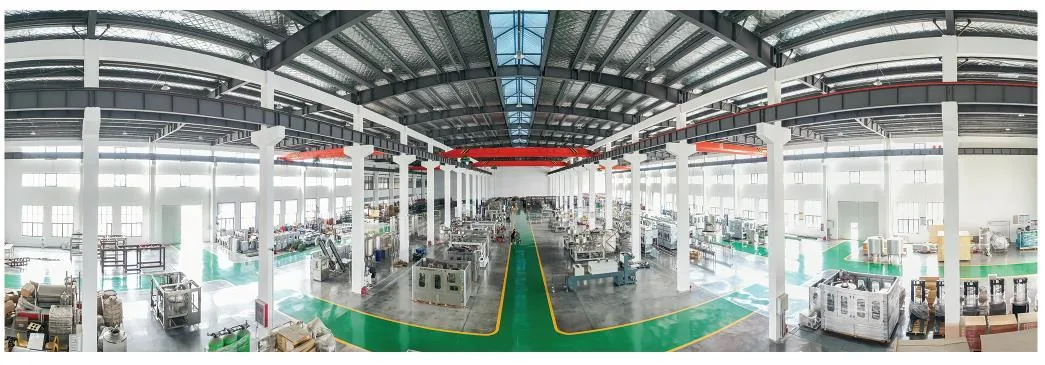
Real manufacturing reference from the Allot Tech Beverage Bottling Catalog 2026. Final equipment and layout remain project-specific.
01
Describe the product and verify the real process flow
The HACCP team needs enough context to understand how harm could enter, survive or increase. Confirm source type, treatment, formulation, package, storage, distribution and intended consumers. Walk the line in production, sanitation, startup and unusual operating states; a drawing reviewed only in a meeting will miss bypasses, manual additions and rework paths.
Define scope and boundaries
State where the plan begins and ends, including water source, purchased ingredients or gases, packaging receipt, utilities that contact product, processing, filling, storage and dispatch. Name excluded activities and the plan that controls them so hazards do not disappear at an organizational boundary.
Describe product and intended use
Record water category, treatments, added minerals or other ingredients, package and closure, expected shelf and distribution conditions, labeling and intended consumer. Consider vulnerable consumers only where supported by the actual product and market; do not fabricate a special-use claim.
Verify every path on site
Trace normal flow plus startup water, recirculation, backwash, regeneration, cleaning solutions, flushes, rejects, drains, sampling points, manual connections and maintenance bypasses. Observe shift practices and confirm arrows and valve states. Correct the diagram before hazard analysis begins.
Confirm prerequisite programs
Review source protection, supplier controls, hygienic zoning, sanitation, pest control, maintenance, calibration, personal practices, traceability and food defense as applicable. Credit a prerequisite only when its owner, procedure, monitoring and corrective action are operating and records can be shown.
02
Analyze hazards and document why each control is sufficient
For each process step, identify the hazard rather than a vague category. Describe its source or mechanism, evaluate significance using the team's approved method and cite the evidence behind the judgment. Then identify the control measure and where it operates. The record must explain both included and excluded hazards well enough for later review.
Use source-specific evidence
Start with current raw-water characterization, source vulnerability, treatment validation, packaging information, chemicals, maintenance materials and operating history. A groundwater, municipal supply and surface source do not present identical evidence. Reassess when the source, season or upstream activity changes materially.
Separate hazard from cause
Name the harmful agent or condition, then its route: for example contamination through an unprotected connection, chemical carryover after regeneration, or physical material after component damage. This produces a control that addresses the mechanism instead of merely repeating that contamination is possible.
Judge significance transparently
Use the site's defined severity and likelihood method, considering the product, consumer, process and effectiveness of existing programs. Record references, data gaps and uncertainty. Lack of a past complaint is not proof that a plausible severe hazard is controlled.
Apply CCP logic without forcing an answer
Evaluate significant hazards using the organization's documented HACCP logic. Some may be controlled by validated prerequisite or preventive controls; others may require a CCP. Record the reasoning. Do not label filtration, UV or ozone a CCP simply because another bottler does.
HACCP record field
Evidence question
Possible control location
Required decision
Step and hazard
What agent can cause harm, and by which mechanism?
Source, treatment, tank, filler, package or utility
Include, exclude or gather more evidence
Significance rationale
What supports severity and likelihood for this plant?
Hazard analysis with cited data
Significant or not under approved method
Control measure
How is introduction prevented or level reduced?
Prerequisite, process control or CCP
Owner, monitoring and failure response
Validation and verification
What proves capability, and what confirms continued execution?
Study, challenge, review, observation or testing
Accept, improve or reanalyze
03
Design monitoring and deviation response around the actual control
For each CCP—and for other controls that need formal management—define what is monitored, how, where, when and by whom. A limit or action criterion must come from an authority, scientific validation or plant-specific evidence, not a convenient round number. Monitoring must reveal loss of control soon enough to protect affected product.
Establish validated limits
Link every critical limit to the relevant hazard and validated process capability. Record product and operating conditions. If an authority defines the value, cite the current requirement; if a study derives it, preserve the protocol, raw results, uncertainty and approval.
Make monitoring executable
Specify instrument or observation, sampling location, frequency rationale, responsible role, record and immediate action. Confirm calibration or check status and what happens when monitoring itself fails. A display value without a review and reaction route is not a control system.
Define product boundaries during deviation
State how the team identifies the last known acceptable point, stops or isolates the process, holds potentially affected lots and evaluates disposition. Correct the cause and restore control before release. Do not assume reprocessing is safe unless it is assessed and authorized.
Keep corrective action distinct
Immediate correction handles the condition; corrective action investigates and prevents recurrence. Records should include event chronology, product scope, evidence reviewed, disposition authority, root-cause work and verification that the action remained effective.
04
Validate capability, verify execution and reanalyze after change
Validation asks whether a control can manage the hazard under defined conditions. Verification asks whether the plan is being followed and remains effective. Both need planned activities, competent reviewers and records. The HACCP plan should also name triggers that force review rather than waiting for an annual calendar date.
Validate before relying on the control
Use relevant scientific, authority, supplier and plant evidence, supplemented by challenge or commissioning work where necessary. Confirm the defined operating envelope and worst credible conditions. A component certificate does not automatically validate its installation within the complete process.
Verify records and field practice
Review monitoring and deviations, observe operators, check instruments, sample or test where justified and audit prerequisite programs. Compare written flow with current piping and practices. Verification should be sufficiently independent of the person performing routine monitoring.
Trend signals across programs
Bring together water results, sanitation findings, environmental trends, complaints, maintenance failures, supplier changes and process alarms. Individually acceptable records can still reveal a deteriorating control when viewed over time.
Trigger reanalysis deliberately
Review after source, product, package, treatment, equipment, utility, layout or operating changes; new hazard information; an unexplained failure; or evidence that a control is no longer capable. Record why the plan was or was not revised and train affected roles.
R
References and verification boundary
These sources support the risk-control method on this page. They do not set project-specific legal limits, test frequencies, engineering values or approvals; verify the current edition and local applicability before a decision.
Does every bottled-water plant have the same CCPs?
No. CCP determination depends on the actual source, product, process, prerequisite programs, hazard analysis and applicable rules. Copying another plant's CCP list bypasses the required reasoning.
Can a supplier choose our critical limits?
A supplier may provide relevant capability evidence, but the HACCP team must evaluate the hazard, installation, operating envelope and applicable authority requirements. The plant owns the documented decision.
What is the difference between validation and verification?
Validation establishes that a control is capable of controlling the identified hazard under defined conditions. Verification checks that the plan is implemented and continues to work as intended.
Should HACCP cover intentional adulteration?
HACCP primarily addresses food-safety hazards in the defined process. Intentional adulteration requires a distinct food-defense vulnerability assessment where applicable, coordinated without confusing the two analyses.
What should be supplied for a HACCP gap review?
Provide the verified flow diagram, product description, raw-water and product data, treatment validation, prerequisite-program records, hazard analysis, monitoring records, deviations and current regulatory basis.
Move this project question forward
Need to resolve How to Build a HACCP Plan for Bottled Water Production for your water bottling plant?
For each CCP—and for other controls that need formal management—define what is monitored, how, where, when and by whom. A limit or action criterion must come from an authority, scientific validation or plant-specific evidence, not a convenient round number. Monitoring must reveal loss of control soon enough to protect affected product.
Not sure which data matters? Send what you have and state the decision you need to make.
2. Attach the decision inputs
Define scope and boundaries
Use source-specific evidence
Establish validated limits
Validate before relying on the control
Send target capacity and SKUs, source-water report, site utility schedule, building layout and required project milestones.
3. Confirm the next planning step
The project desk can identify missing inputs and a practical next step. Final engineering, configuration, compliance and commercial terms remain project-specific.