Physical hazard control · Source-to-pack protection
How to Design Foreign-Material Controls for a Water Bottling Line
Foreign-material control should connect prevention, detection, rejection, verification and investigation across the whole container path. Start with credible materials and mechanisms: bottle or cap fragments, glass where present, metal, gasket or seal pieces, brush or belt material, maintenance debris, insects, wood, label or carton pieces, filter media and environmental fallout. Map where each could enter an empty bottle, product stream, closure or finished package, then apply controls at the earliest practical point. Inspection equipment must be qualified for defined challenges in the actual bottle and line, not advertised as a universal detector. Bottled-water inspection and hygiene guidance support the program, but no responsible plan can promise zero foreign material.
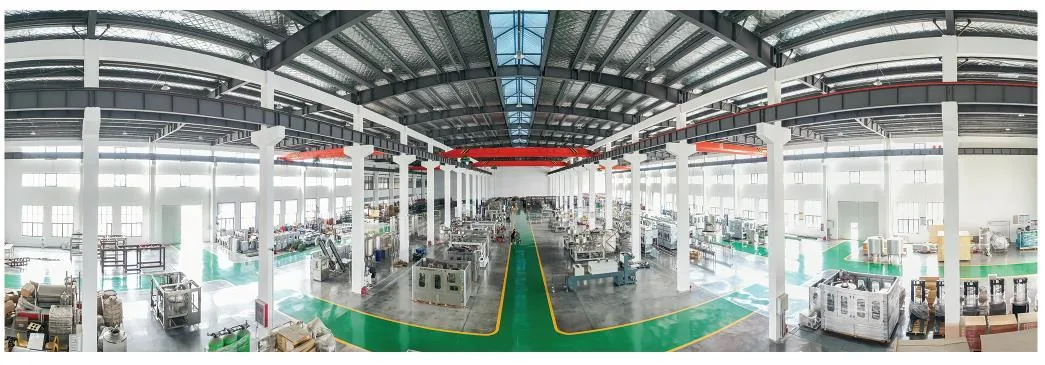
Real manufacturing reference from the Allot Tech Beverage Bottling Catalog 2026. Final equipment and layout remain project-specific.
01
Map material sources and pathways before selecting detectors
Walk receiving, bottle blowing or depalletizing, air or water rinsing, conveying, filling, capping, coding, labeling, packing and pallet handling. Observe maintenance, sanitation, jams, breakage and construction conditions as well as steady production. Link each credible material to its source, entry point, movement and likely detectability.
Empty-container pathway
Assess preform and bottle manufacture, tote or pallet protection, depalletizing, neck handling, air conveyance, rinse performance, overheads and bottle inversion. Transparent PET does not make every internal particle visible at production speed.
Product and equipment pathway
Review treatment-media release, cartridge or gasket damage, tanks, sample parts, filler valves, seals, vent components and maintenance tools. Use component inspection and preventive replacement where detection after filling would be difficult.
Closure pathway
Map cap supplier state, packaging, hopper, elevator, chute, jams, cutter or tamper features and capper wear. Keep hygienic cleanliness and physical-fragment risks linked but distinguish them in investigation and evidence.
Environment and secondary packaging
Examine brittle plastics, glass policy, lights, fasteners, pens, knives, wood, pests, labels, cartons and pallets near open product. Control construction and intrusive maintenance with line clearance and protected restart.
02
Layer prevention and inspection around actual failure modes
Prefer removal of the source or a closed, protected product path before relying on end inspection. Where inspection is needed, define the material, size, contrast, orientation, location and container/product conditions that the technology can reasonably challenge. A test piece demonstrates only the tested scenario.
Prevent component loss
Use appropriate fastener control, component material selection, condition inspection, planned replacement and post-maintenance accountability. Trend found parts and wear. A maintenance checklist should identify which downstream product interval is affected when an item is missing.
Inspect empty bottles
Define lighting, camera or operator conditions, bottle rotation, line speed, transparency and reject confirmation. Challenge representative bottom, sidewall, neck and suspended locations with safe artifacts. Keep the exercise from contaminating production.
Inspect filled and closed product
Evaluate vision, transmitted light, X-ray or other technology only for materials and packages it can detect. Water, bottle ribs, labels, bubbles and reflections affect capability. Document blind zones and complementary preventive controls.
Protect inspection integrity
Control recipes, user access, lighting, focus, sensor cleanliness, line speed and synchronization. Verify that bypass, fault or excessive reject condition stops or safely diverts product rather than silently passing bottles.
Control point
Defined challenge
Capability evidence
Loss-of-control response
Empty-bottle inspection
Material, position, bottle format and speed
Repeatable detection and confirmed reject
Stop/hold from last verified challenge
Filler/capper condition
Wear item, fastener and missing-part scenario
Inspection standard and component accountability
Isolate equipment and bound product
Finished-package inspection
Detectable material in actual filled package
Qualified recipe with limitations
Reject, alarm, hold and investigate
Manual intervention
Tool, part and line-clearance control
Observed procedure and restoration evidence
Stop startup until accountability closes
03
Prove rejection and define the affected product boundary
Detection without reliable removal is not a control. Challenge the reject device, container tracking and full-bin or jam states at representative speeds. Verify that rejected bottles cannot bounce, tip, be reintroduced or mix with accepted product. Build a conservative hold rule for a failed challenge, missing component or unexplained finding.
Confirm every reject
Use suitable sensors, bin design and reconciliation to show the intended bottle leaves the accepted stream. Challenge adjacent bottles and close spacing. Record false-reject and false-accept limitations rather than optimizing only for low waste.
Control reject containers
Lock or supervise access where justified, identify disposition and prevent manual recovery. Inspect samples under a controlled procedure and preserve suspect material for investigation. Reject bins should not contaminate the clean zone.
Bound product after control failure
Use last successful challenge, equipment cycle, head or position, line speed, accumulation and lot code to identify potentially affected bottles. If tracking is uncertain, expand the hold; a later successful check does not clear the earlier interval automatically.
Escalate an actual finding
Stop the source, preserve bottle and material, identify composition and origin safely, examine adjacent equipment and records, and evaluate product scope. Do not discard the particle before competent investigation or make unsupported public claims about its harmlessness.
04
Sustain control through maintenance, trending and change
Routine checks should verify the whole control chain at intervals justified by failure risk and equipment behavior. Trend rejects by material category, location, head, format, time and maintenance event. Repeated unexplained rejects are process evidence, not merely a quality cost to be tuned out.
Use controlled challenge artifacts
Identify, store and account for test pieces so none enters product. Verify their condition and relevance to the qualified case. Operators should know exactly how to insert and recover them safely without defeating guards or hygienic boundaries.
Inspect wear at the source
Include seals, guides, brushes, belts, filters, nozzles, capper parts and fasteners in risk-based preventive maintenance. Compare removed parts with standards and account for missing fragments before release.
Trend and investigate patterns
Review detector rejects, manual findings, complaints, broken components, construction and supplier data together. A cluster by head or shift may identify a source that overall reject percentage hides. Verify corrective action with targeted challenges.
Requalify meaningful change
Assess new bottle color or geometry, label coverage, product appearance, line speed, camera, light, software, reject device, component material or maintenance method. State capability only for the tested envelope and update blind-zone controls.
R
References and verification boundary
These sources support the risk-control method on this page. They do not set project-specific legal limits, test frequencies, engineering values or approvals; verify the current edition and local applicability before a decision.
Can one vision system detect every foreign material?
No. Detection depends on material, size, position, contrast, bottle, product, label, speed and setup. Qualify defined challenges and document blind zones.
Is end-of-line inspection enough?
Usually prevention and earlier controls remain essential. Some materials are difficult to detect after filling or labeling, and a detector can fail or reject incorrectly.
How often should detector challenges be run?
Set frequency from applicable requirements, failure consequence, line behavior, detection capability and recovery boundary. There is no universal schedule for every system.
What happens when a machine part is missing?
Stop and isolate, search and inspect safely, identify when it was last confirmed present, hold the affected product interval, investigate and document authorized disposition.
What inputs support a foreign-material study?
Provide process and packaging flow, bottle and label formats, equipment component list, inspection technology, reject logic, maintenance and breakage records, complaints, zoning and applicable hygiene requirements.
Move this project question forward
Need to resolve How to Design Foreign-Material Controls for a Water Bottling Line for your water bottling plant?
Detection without reliable removal is not a control. Challenge the reject device, container tracking and full-bin or jam states at representative speeds. Verify that rejected bottles cannot bounce, tip, be reintroduced or mix with accepted product. Build a conservative hold rule for a failed challenge, missing component or unexplained finding.
Not sure which data matters? Send what you have and state the decision you need to make.
2. Attach the decision inputs
Empty-container pathway
Prevent component loss
Confirm every reject
Use controlled challenge artifacts
Send target capacity and SKUs, source-water report, site utility schedule, building layout and required project milestones.
3. Confirm the next planning step
The project desk can identify missing inputs and a practical next step. Final engineering, configuration, compliance and commercial terms remain project-specific.