How Should a Bottling Plant Control Ozone and Bromate?
Control ozone as a complete treatment and safety system: characterize precursors, define the required microbial duty, establish transfer and contact conditions, monitor a decision-relevant residual, limit by-product formation, contain off-gas and divert water when the validated range is not met. More ozone is not automatically safer or more effective. The operating target must be derived for the actual source, process and applicable limits; this guide supplies the decision structure, not a universal dose or contact time. Qualified process, laboratory and safety specialists must approve the final method and exposure controls.
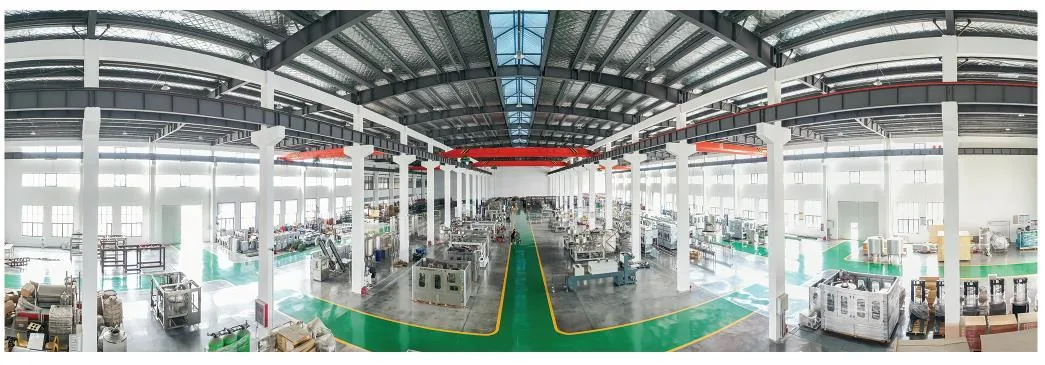
Real manufacturing reference from the Allot Tech Beverage Bottling Catalog 2026. Final equipment and layout remain project-specific.
01
Decision basis: Bromide baseline · Microbial objective · Gas quality
Control ozone as a complete treatment and safety system: characterize precursors, define the required microbial duty, establish transfer and contact conditions, monitor a decision-relevant residual, limit by-product formation, contain off-gas and divert water when the validated range is not met. More ozone is not automatically safer or more effective. Begin with bromide baseline: measure representative source bromide and relevant ozone-demand constituents. Use microbial objective next. Define what ozone must control and which other barriers share the duty. Close the gas quality stage through gas quality evidence, specifically supplier limits, alarms and maintenance records.
Bromide baseline
Measure representative source bromide and relevant ozone-demand constituents. Bromide baseline risk: unseen precursor variability can create bromate under otherwise familiar settings. Retain dated analyses, seasons and sampling locations.
Microbial objective
Define what ozone must control and which other barriers share the duty. Microbial objective risk: an undefined objective encourages arbitrary dosing. Retain hazard analysis and validated treatment basis.
Gas quality
Control oxygen or feed-gas quality, dew point and generator condition. Gas quality risk: unstable generation changes dose and equipment reliability. Retain supplier limits, alarms and maintenance records.
02
Working comparison: Mass transfer · Contact conditions · Residual location
At mass transfer, verify injector, contactor, flow and dissolution over the operating range. Set contact conditions beside mass transfer; define flow, volume, mixing and minimum effective contact state. Residual location decides the case. A convenient sensor can misrepresent the bottle-filling condition. The mass transfer table entry pairs its action with transfer test, flow records and dissolved measurement; the risk for contact conditions is that short-circuiting or demand changes reduce actual treatment.
Mass transfer
Verify injector, contactor, flow and dissolution over the operating range. For Mass transfer, compare the result against transfer test, flow records and dissolved measurement; reject the option if generator output does not equal dissolved ozone delivered to water.
Contact conditions
Define flow, volume, mixing and minimum effective contact state. For Contact conditions, compare the result against hydraulic review and commissioning challenge; reject the option if short-circuiting or demand changes reduce actual treatment.
Residual location
Measure ozone where the value supports a hold, divert or release decision. For Residual location, compare the result against sampling map, sensor rationale and correlation study; reject the option if a convenient sensor can misrepresent the bottle-filling condition.
How to Control Ozone Contact and Bromate in Bottled Water factor
Bromide baseline action
Microbial objective failure
Gas quality retained evidence
Bromide baseline
Measure representative source bromide and relevant ozone-demand constituents
unseen precursor variability can create bromate under otherwise familiar settings
dated analyses, seasons and sampling locations
Microbial objective
Define what ozone must control and which other barriers share the duty
an undefined objective encourages arbitrary dosing
hazard analysis and validated treatment basis
Gas quality
Control oxygen or feed-gas quality, dew point and generator condition
unstable generation changes dose and equipment reliability
supplier limits, alarms and maintenance records
Mass transfer
Verify injector, contactor, flow and dissolution over the operating range
generator output does not equal dissolved ozone delivered to water
transfer test, flow records and dissolved measurement
03
Credible loss: Bromate control · Off-gas system · Material compatibility
Control starts with bromate control, passes through off-gas system, then tests material compatibility. A failure of bromate control matters because microbial control can create a regulated chemical by-product. For off-gas system, retain destruct sizing, ventilation test and detector actions. At material compatibility, contain the material compatibility event before oxidation can cause leaks, particles or premature failure.
Bromate control
Test formation across credible source and operating cases. Bromate control risk: Microbial control can create a regulated chemical by-product. Detection and containment use trial results, limit basis and routine monitoring plan.
Off-gas system
Capture and destroy ozone released from contact and tank headspaces. Off-gas system risk: Uncontrolled gas threatens workers and equipment. Detection and containment use destruct sizing, ventilation test and detector actions.
Material compatibility
Confirm seals, hoses, instruments and vessels tolerate ozone exposure. Material compatibility risk: Oxidation can cause leaks, particles or premature failure. Detection and containment use material declarations and inspection schedule.
The operating target must be derived for the actual source, process and applicable limits; this guide supplies the decision structure, not a universal dose or contact time. Qualified process, laboratory and safety specialists must approve the final method and exposure controls. Authorize interlock response from cause-and-effect matrix and challenge test. Revisit startup transition whenever early production may be released before control is established. Keep routine verification open; the routine verification project must trend ozone, bromate, microbial results and maintenance together. Close routine verification with review report, deviations and effectiveness checks.
Interlock response
Divert or stop when flow, residual, generator or safety conditions leave range. Acceptance relies on cause-and-effect matrix and challenge test. Continued filling can create unsafe or unverified product. Reopen Interlock response when that condition occurs.
Startup transition
Define how off-spec startup water is contained before stable conditions. Acceptance relies on startup sequence, drain or hold path and release record. Early production may be released before control is established. Reopen Startup transition when that condition occurs.
Routine verification
Trend ozone, bromate, microbial results and maintenance together. Acceptance relies on review report, deviations and effectiveness checks. Separate records can hide gradual process drift. Reopen Routine verification when that condition occurs.
R
References and verification boundary
These sources support the risk-control method on this page. They do not set project-specific legal limits, test frequencies, engineering values or approvals; verify the current edition and local applicability before a decision.
No. The residual must support the validated microbial objective while controlling bromate, materials and worker exposure for the actual water.
Why test bromide before designing ozone?
Bromide is a precursor relevant to bromate formation. Representative source data are needed before operating conditions are selected.
Where should dissolved ozone be measured?
At locations justified by the control decision and correlated with the relevant treatment and filling condition, not merely where installation is easiest.
What should happen after an ozone alarm?
The approved cause-and-effect plan should define safe stop or diversion, product impact, investigation, correction, verification and authorized restart.
Move this project question forward
Need to resolve How Should a Bottling Plant Control Ozone and Bromate? for your water bottling plant?
Control starts with bromate control, passes through off-gas system, then tests material compatibility. A failure of bromate control matters because microbial control can create a regulated chemical by-product. For off-gas system, retain destruct sizing, ventilation test and detector actions. At material compatibility, contain the material compatibility event before oxidation can cause leaks, particles or premature failure.
Not sure which data matters? Send what you have and state the decision you need to make.
2. Attach the decision inputs
Bromide baseline
Mass transfer
Bromate control
Interlock response
Send target capacity and SKUs, source-water report, site utility schedule, building layout and required project milestones.
3. Confirm the next planning step
The project desk can identify missing inputs and a practical next step. Final engineering, configuration, compliance and commercial terms remain project-specific.