How to Validate Final Cartridge Filtration Before Bottling
A final cartridge or membrane filter should be validated for a clearly assigned barrier duty in the installed bottling process. Begin with the contaminant or condition it is intended to control and the upstream water quality, then select a filter rating and mechanism supported by appropriate challenge or performance evidence. Assess housing geometry, seals, orientation, venting, drainability, bypass risk, sanitization, operating flow, pressure and temperature. Establish point-of-use monitoring, integrity or installation checks where applicable, changeout rationale and an affected-product response. A nominal pore label is not proof of absolute retention or sterility, and one supplier certificate cannot validate a damaged or bypassed installation. Current drinking-water barrier guidance and local requirements define the final acceptance basis.
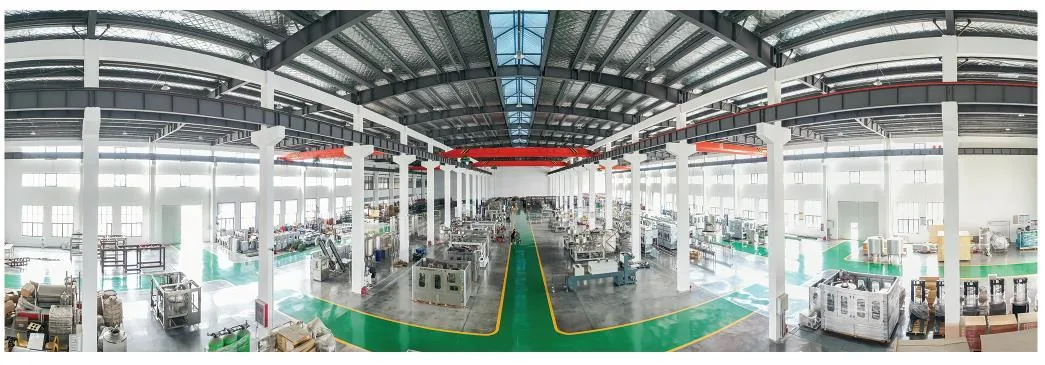
Real manufacturing reference from the Allot Tech Beverage Bottling Catalog 2026. Final equipment and layout remain project-specific.
01
Assign the filter a precise duty within the barrier train
The hazard and treatment study should state what reaches the final filter, what the filter is expected to retain and which conditions determine performance. Separate particulate polishing, cyst or microbial reduction, protection of a downstream process and other duties. If the filter is not intended to control a hazard, avoid implying that its presence makes the water safe.
Define the target and required reduction
Use source characterization, upstream treatment validation, product specification and authority requirements to identify the relevant particle or organism surrogate and performance claim. Record whether the requirement is absolute, nominal, log-reduction or another supported basis.
Characterize influent challenge
Measure relevant load, size distribution, turbidity, microbiology, temperature, chemistry and variability after upstream treatment. Include startup, regeneration or disturbance states. A clean commissioning sample may not represent the filter's highest credible load.
Choose the filter mechanism
Distinguish screen or depth retention, membrane separation, adsorption and other mechanisms. Match material, rating, validation dossier and intended use. Do not convert a nominal micron label into an unsupported absolute or microbial claim.
Place the step in the hygiene strategy
Assess proximity to filling, downstream piping volume, sample points, sanitization boundary and post-filter interventions. A validated element cannot protect an open, stagnant or poorly restored pipe after the housing.
02
Qualify element, housing, seals and operating envelope together
Review supplier validation evidence for the exact element and intended conditions, then verify the complete installed assembly. Housing finish, seating, adapters, O-rings, vent and drain state can create a bypass even when the media is capable. Define installation checks and parts control by exact model and lot.
Review supplier performance evidence
Confirm challenge organism or particle, method, reduction, flow, pressure, temperature, chemistry, loading, conditioning and integrity correlation as relevant. Compare that envelope with the plant. A marketing data sheet without test conditions is not sufficient validation.
Eliminate bypass routes
Inspect element length and adapter, sealing faces, O-ring material and position, multi-round plates, vent, drain and housing closure. Use controlled assembly and torque where specified. Challenge wrong or missing seal detection rather than trusting operator memory.
Confirm hydraulic performance
Measure clean and loaded differential pressure, flow distribution, startup venting and pressure transients at minimum and maximum demand. Evaluate parallel housings and switching. Avoid a universal differential-pressure limit; use supplier-confirmed and test-derived conditions.
Verify material and sanitation compatibility
Check media, supports, adhesives, seals and housing against water chemistry, disinfectant, temperature and contact time. Define pre-use flushing or conditioning and its endpoint. Repeated sanitation should not invalidate performance evidence or shed unacceptable material.
Validation component
Evidence required
Acceptance basis
Failure decision
Filter media
Exact-model challenge and material dossier
Assigned duty under bounded conditions
Reject selection or narrow the claim
Housing and seals
Field inspection, assembly and bypass challenge
No uncontrolled path around element
Correct hardware and repeat qualification
Operating envelope
Flow, pressure, temperature and load trials
Supplier-confirmed/test-derived range
Restrict operation or redesign
Integrity/release
Applicable test, installation check and water evidence
Approved pre-use and routine decision
Hold system/product and investigate
03
Commission integrity, monitoring and controlled changeout
Commission after upstream systems are stable and the housing has been hygienically restored. Establish a baseline for differential pressure, flow and relevant water quality. Where an integrity test is appropriate and supported for the element, correlate it with the performance claim and define test conditions. Where it is not, use justified installation and performance controls without mislabeling them as integrity proof.
Set a reproducible baseline
Record element and seal lot, installation, flush, initial flow, pressure, temperature, differential pressure and influent/effluent evidence. Compare instruments and sampling points. Baseline data should be collected before routine loading obscures an assembly problem.
Use meaningful integrity evidence
Apply only a method validated or technically justified for the filter type, wetting state and housing. Define test limits from supplier or study evidence. A leak test designed for piping may not demonstrate media retention performance.
Trend condition without using pressure alone
Review differential pressure, flow, turbidity or relevant quality, runtime or throughput, sanitation cycles and upstream events. Low pressure does not prove an intact element; high pressure may indicate loading but not identify the material.
Control changeout hygienically
Identify replacement element and seals, protect parts, isolate and drain safely, prevent dirty-side contact with clean surfaces, assemble under controlled practice, restore hygiene, flush and verify before release. Account for removed elements and abnormal findings.
04
Define failure, affected water and revalidation decisions
The plan should state what constitutes loss of control: failed integrity or installation check, wrong element, seal damage, unexpected pressure change, quality excursion, sanitation deviation or operation outside the validated envelope. Control downstream tanks and bottled product while the team establishes timing, route and significance.
Bound the affected interval
Use last acceptable check, changeout and sanitation records, alarms, flows, tank residence and production lots. Consider whether failure creates continuous bypass or intermittent passage. Expand the boundary when the mechanism or failure time is uncertain.
Investigate the assembly and load
Inspect seals, seating, media, supports, pressure events and retained material safely; review upstream disturbance and instrument validity. Preserve the failed element where analysis can identify cause. Do not discard it immediately as routine waste.
Restore and verify
Correct hardware, upstream cause or procedure, install controlled parts, execute the approved hygienic restoration and repeat applicable evidence. Product release requires authorized review of hazard, downstream barriers, test validity and affected scope—not merely a new low differential pressure.
Revalidate meaningful change
Assess new element or supplier, rating, housing, seal, flow, chemistry, disinfectant, upstream treatment, bypass logic or final-pipe layout. Update the duty dossier and training. A replacement described as equivalent still needs documented equivalence evidence.
R
References and verification boundary
These sources support the risk-control method on this page. They do not set project-specific legal limits, test frequencies, engineering values or approvals; verify the current edition and local applicability before a decision.
Does a one-micron nominal filter make water sterile?
No. Nominal rating does not establish absolute retention, microbial reduction or sterility. Use exact performance evidence and the installed barrier context.
Can differential pressure prove filter integrity?
Not by itself. It can indicate hydraulic condition, but bypass or media defects may not create a clear pressure signal. Use the justified integrity or installation controls for the filter.
How often should cartridges be changed?
Use loading trend, validated performance, sanitation exposure, supplier information, microbiological risk and operating history. There is no universal interval for every water and filter.
What happens after a damaged O-ring is found?
Control the system and downstream product, determine the possible bypass interval, investigate, restore with approved parts, verify the assembly and obtain authorized product disposition.
What inputs support final-filter validation?
Provide the assigned hazard or polishing duty, influent data, exact element dossier, housing and seal drawings, flow/pressure envelope, sanitation process, sample and integrity methods, downstream volume and failure procedure.
Move this project question forward
Need to resolve How to Validate Final Cartridge Filtration Before Bottling for your water bottling plant?
Commission after upstream systems are stable and the housing has been hygienically restored. Establish a baseline for differential pressure, flow and relevant water quality. Where an integrity test is appropriate and supported for the element, correlate it with the performance claim and define test conditions. Where it is not, use justified installation and performance controls without mislabeling them as integrity proof.
Not sure which data matters? Send what you have and state the decision you need to make.
2. Attach the decision inputs
Define the target and required reduction
Review supplier performance evidence
Set a reproducible baseline
Bound the affected interval
Send target capacity and SKUs, source-water report, site utility schedule, building layout and required project milestones.
3. Confirm the next planning step
The project desk can identify missing inputs and a practical next step. Final engineering, configuration, compliance and commercial terms remain project-specific.