Introducing recycled PET is a packaging and food-contact qualification project, not a percentage substitution in a resin purchase order. The team must verify that the specific recycling process and supplied material are suitable for the intended bottled-water contact under the rules of each manufacturing and sales market. Preserve resin identity, recycled-content basis, declarations, supporting chemistry or migration evidence, supplier controls and change notification. Then prove that the actual preform, bottle and closure system can be manufactured, filled, capped, conveyed, stored and distributed across the defined shelf conditions. FDA recycled-plastics guidance and European Commission information provide official frameworks, but one authority's review does not automatically authorize every material, use or jurisdiction, and recycled content alone does not substantiate environmental superiority.
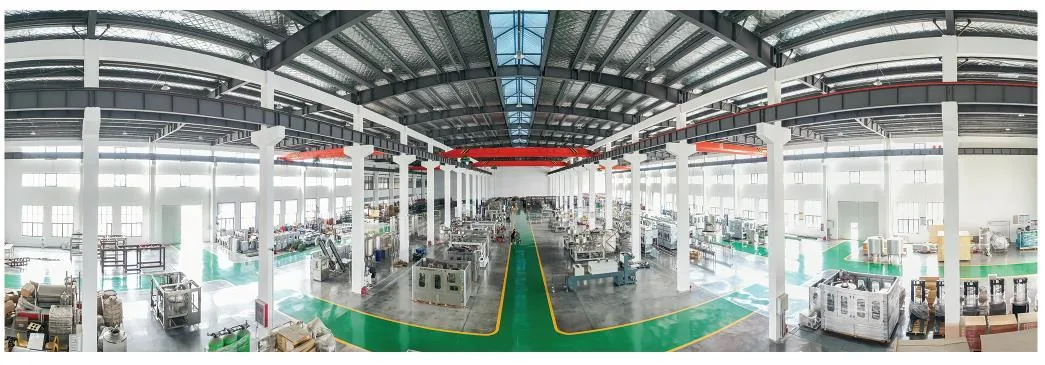
Real manufacturing reference from the Allot Tech Beverage Bottling Catalog 2026. Final equipment and layout remain project-specific.
01
Establish food-contact and recycling-process evidence
The qualification file should identify the recycler, process, feedstock control, resin producer or compounder, material grade and intended use. Regulatory and quality owners must confirm the evidence route accepted in each destination market and whether restrictions apply to contact type, temperature, duration, layer structure or recycled-content source.
Identify the exact material route
Record recycler and processing site, technology, feedstock controls, decontamination steps, resin or pellet grade, blend method and parties taking custody. A general statement that the resin is recycled PET does not identify the qualified process or supplied lot.
Verify intended-use suitability
Match declarations, authority opinions or notifications and supporting studies to bottled water, container construction, use temperature, shelf contact and manufacturing conditions. Confirm current status with qualified regulatory counsel where needed; do not extrapolate from an unrelated tray or hot-fill use.
Review chemistry evidence
Assess the supplier's challenge-test, migration, surrogate-contaminant, non-intentionally added substance or other supporting package as applicable. Confirm test conditions and analytical capability represent the proposed use. Do not invent safe concentration limits from a summary certificate.
Control recycled-content calculation
Define whether the declared percentage is by mass, layer, batch or another permitted basis, which components are included, and how evidence is reconciled. Keep commercial sustainability claims under a separate verified claims process.
02
Qualify supplier, lot identity and change notification
Recycled-material variability makes traceability and change control especially important. Agree specifications that cover both food-contact evidence and converting behavior. Audit or otherwise qualify the controls proportionate to risk, then verify that each delivered lot can be traced to the approved material route rather than a generic product family.
Create an approved-material specification
List exact grade, source route, permitted blend, color or appearance criteria, intrinsic viscosity or other converting parameters where relevant, contamination and foreign-material controls, packaging, transport and documentation. Separate authority-defined needs from supplier-confirmed process ranges.
Define lot genealogy
Connect recycler batch, resin lot, blending or compounding lot, preform lot, blowing run and finished-bottle production. Ensure data survive repacking and multiple suppliers. A certificate date without lot linkage does not support affected-product analysis.
Inspect delivered state
Verify identity, seals, contamination, moisture control, packaging integrity and agreed certificate fields. Use sampling suited to the risk and material. Incoming tests complement but do not replace control of the recycling process.
Require meaningful change notice
Include feedstock policy, process, site, equipment, decontamination conditions, additives, grade, subcontractor, test method and regulatory-status changes. Define approval before use; do not rely on the supplier deciding that a change is minor for the bottler.
Qualification gate
Evidence required
Decision owner
Change that reopens gate
Food-contact route
Exact process, grade, use and current authority basis
Regulatory and food safety
Process, feedstock, site or intended-use change
Material specification
Approved properties, blend and lot documentation
Packaging engineering and quality
Grade, blend, additive or supplier change
Bottle performance
Representative conversion, line and package trials
Operations and packaging engineering
Preform, bottle, line or distribution change
Market claims
Traceable percentage and substantiation file
Legal or claims owner
Calculation, supplier evidence or claim change
03
Prove preform, bottle and line performance with representative trials
Material authorization does not prove that a particular bottle performs. rPET color, thermal history, crystallinity, moisture response and property variability may affect preform drying, heating, stretch-blow molding and the finished package. Design trials around approved operating windows and include comparison material only as a control, not as an assumption that performance must be identical.
Qualify resin and preform handling
Confirm drying or conditioning requirements, storage after opening, contamination protection, melt or processing history and preform dimensions using supplier-confirmed information and trials. Prevent uncontrolled mixing with unapproved resin or regrind.
Map the blowing window
Challenge representative oven, stretch, pressure, mold and speed conditions; examine material distribution, neck, base, haze, color and defects. Use controlled bottle measurements and destructive tests selected for the design. Record process window rather than only the best sample.
Run the complete bottling line
Test rinser or air path, filler handling, capping, conveying, labeling, packing and palletizing at relevant speeds and stops. Check scuffing, deformation, stability and reject behavior. Separate failures caused by bottle design from guide or line settings.
Assess package integrity
Verify closure interface, top load or stacking performance, leak resistance and other project-specific functions over representative storage and transport conditions. Use the actual product and package configuration; an empty-bottle pass cannot qualify long-term filled performance.
04
Close shelf, distribution, release and claim controls
Finish qualification with a risk-based study covering the intended product, bottle, closure, label, secondary pack, pallet and distribution environment. Evaluate sensory and chemical compatibility where relevant, plus appearance and mechanical function. Keep environmental communication separate and supported by a current chain-of-custody or calculation file.
Study actual use conditions
Include intended shelf duration, temperature and light exposure, warehouse and transport, stacking, vibration and handling as justified. Define test acceleration scientifically where used and verify it against real-time evidence rather than claiming equivalence without support.
Check product-package interaction
Assess sensory change, color or appearance, migration or chemistry concerns, gas or moisture behavior and closure performance according to risk and authority requirements. Use suitable controls and competent laboratories.
Release lots against the dossier
Verify approved supplier, grade, recycled-content route, certificate, lot identity and converting checks. Control deviations and mixed inventory. A line that can physically run an rPET preform should not release it before the food-contact and traceability gates close.
Requalify and review claims
Reopen affected evidence after supplier, process, percentage, additive, preform, bottle, cap, product, market or distribution change. Confirm every recycled-content or environmental statement through qualified review; avoid implying that one attribute proves overall environmental benefit.
R
References and verification boundary
These sources support the risk-control method on this page. They do not set project-specific legal limits, test frequencies, engineering values or approvals; verify the current edition and local applicability before a decision.
Is any rPET percentage automatically safe for bottled water?
No. Suitability depends on the specific recycling process, material, intended food-contact use, bottle construction, conditions and current jurisdictional requirements.
Does a supplier declaration complete qualification?
No. It is important evidence, but the plant must verify lot identity, applicability to its use, converting and package performance, traceability and change control.
Can an FDA opinion be used as European authorization?
Do not assume so. Regulatory frameworks and evidence routes differ. Confirm current requirements for every manufacturing and sales market with qualified reviewers.
Does rPET always have worse bottle performance?
Not necessarily. Performance depends on material route, grade, blend, preform and blowing process. Use representative trials instead of a blanket positive or negative assumption.
What inputs are needed for an rPET qualification plan?
Provide exact resin and recycling-route documents, intended-use and market list, recycled-content basis, preform and bottle drawings, process conditions, package requirements, distribution profile and proposed claims.
Move this project question forward
Need to resolve How to Qualify rPET Bottles for Bottled Water for your water bottling plant?
Material authorization does not prove that a particular bottle performs. rPET color, thermal history, crystallinity, moisture response and property variability may affect preform drying, heating, stretch-blow molding and the finished package. Design trials around approved operating windows and include comparison material only as a control, not as an assumption that performance must be identical.
Not sure which data matters? Send what you have and state the decision you need to make.
2. Attach the decision inputs
Identify the exact material route
Create an approved-material specification
Qualify resin and preform handling
Study actual use conditions
Send target capacity and SKUs, source-water report, site utility schedule, building layout and required project milestones.
3. Confirm the next planning step
The project desk can identify missing inputs and a practical next step. Final engineering, configuration, compliance and commercial terms remain project-specific.