How to Build a Food Defense Plan for a Water Bottling Plant
A water bottling plant food-defense plan asks a different question from HACCP: where could a motivated person intentionally introduce harm, and which practical controls reduce that opportunity? Assemble a team that understands the source, receiving, treatment, chemicals, packaging, controls, staffing and physical site. Walk each actionable process step, assess accessibility and the ability to contaminate at scale using the method required in the relevant jurisdiction, and document why a step is or is not significant. Selected mitigation strategies then need owners, monitoring, corrective action and verification. FDA food-defense resources offer useful methods, but legal applicability and required plan elements must be confirmed for the plant and sales market.
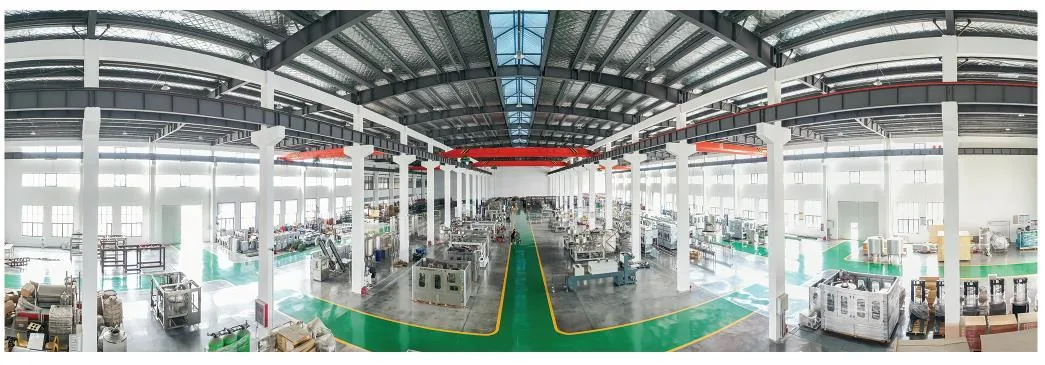
Real manufacturing reference from the Allot Tech Beverage Bottling Catalog 2026. Final equipment and layout remain project-specific.
01
Map intentional access across the complete water and packaging route
Begin with an accurate site and process map, including spaces not normally shown on the product-flow diagram. Review exterior source assets, tanker or bulk connections, chemical areas, treatment vessels, storage tanks, product piping, filler bowl, closure feed, laboratories, controls and finished-goods access during every staffed and unstaffed condition.
Define the assessment boundary
Include owned and third-party interfaces where the plant can influence protection. Record public approaches, shared buildings, roofs, wells, reservoirs, delivery points, temporary hoses, contractor access and remote-control paths. Name dependencies that require landlord, source owner or logistics-provider action.
Observe real accessibility
Walk the facility during production, sanitation, maintenance, breaks, shift change and shutdown. A locked door on a drawing may be propped open in practice; an elevated tank may be accessible from an adjacent platform. Evidence should describe current conditions, not intended behavior.
Consider insiders and authorized visitors
Badges and perimeter fences do not address every scenario. Examine privilege, supervision, keys, chemical permissions, recipe changes, temporary labor, contractors and departing employees. Use role-based access and separation appropriate to the assessed consequence without making unsupported claims about individuals.
Separate defense from ordinary safety
An unguarded contamination route may be both a food-safety and defense concern, but the analyses use different intent assumptions. Cross-reference prerequisite, cybersecurity, emergency and tamper-evidence plans while keeping ownership and records clear.
02
Rank vulnerable steps with a documented, jurisdiction-appropriate method
The team should apply a consistent assessment method to each candidate step. Avoid scoring based only on whether a door has a lock. Consider how much product could be reached, whether contamination could be successfully introduced, whether an attacker could act without prompt detection and what public-health consequence could follow. Assumptions and uncertainty belong in the record.
Bulk and source-water access
Assess wells, source intakes, tankers, unloading hoses, vents, hatches and bulk tanks. Determine who controls each point, how access is detected and how affected water could propagate. Do not assume later treatment will remove an unspecified intentional contaminant.
Chemical and ingredient introduction
Review delivery identity, seal condition, storage, transfer, dilution, day tanks, dosing connections and manual additions. Consider concentration and process reach as well as physical access. Restricting a room is incomplete if an exposed downstream injection point remains.
Open product and closure paths
Examine exposed treated-water tanks, filler access, clean-in-place connections, cap hoppers and manual intervention points. Include maintenance conditions when guards are open and production may resume. Connect defense controls with hygienic restoration and release decisions.
Automation and remote actions
Identify changes that could defeat treatment, redirect valves, alter dosing, disable alarms or falsify records. Review account privileges, remote sessions, backups and physical manual overrides with the site's cybersecurity owner; do not treat a password alone as sufficient mitigation.
Assessment field
Evidence to collect
Decision question
Record outcome
Access and opportunity
Walkdown, keys, roles, schedules and observation
Can a person reach and act at this step?
Assumption, vulnerability rationale and owner
Ability to contaminate
Volume, exposure, mixing and downstream propagation
Could intentional addition affect meaningful product?
Method-based evaluation; no invented threshold
Existing protection
Physical, procedural, personnel and electronic controls
Is the control operating and likely to detect or prevent?
Evidence, gap and compensating action
Mitigation decision
Required legal method and plant risk review
Does this step require a focused strategy?
Approved strategy, monitoring and verification
03
Design mitigation strategies that can be operated and checked
A mitigation should address the specific vulnerability without creating a new food-safety, worker-safety or operational risk. Prefer layered controls where consequence is high: restrict access, make unauthorized action visible, verify identity or state, and ensure abnormal conditions stop or hold product. Name the responsible role and the evidence produced.
Protect source and bulk interfaces
Use controlled access, tamper-indicating state where appropriate, delivery verification, supervised connection, protected vents and documented post-access checks based on the assessment. Define the response to a broken seal or unexplained hatch state; never release solely because the water looks normal.
Control sensitive materials
Limit authorized receipt, storage, preparation and dosing; verify identity against controlled purchase and delivery records; and account for unusual use or loss. Design containment and safety with qualified personnel because stronger physical security must not obstruct emergency response.
Manage interventions and visitors
Preauthorize work, confirm identity, set escort or supervision rules, control tools and materials where justified, and document restoration before startup. Tailor restrictions to the assessed step rather than applying theater-like controls that staff routinely bypass.
Make alarms actionable
Door, hatch, level, recipe or control-system alerts need a recipient, response time basis, investigation route and product boundary. Periodically verify that signals reach the intended person and that logs cannot be casually disabled or overwritten.
04
Exercise, verify and revise the plan without publishing sensitive details
The plan must remain controlled because it contains vulnerability information, yet enough staff need clear instructions to execute their role. Train by responsibility, test selected controls safely and review events, access changes and process modifications. Exercises should not introduce contaminants or disclose exploitable details to unauthorized people.
Monitor mitigation execution
Define the check, frequency rationale, acceptable state, responsible role and record for every focused strategy. A camera or badge system is not self-verifying; confirm coverage, retention, alert handling and exceptions according to the approved plan.
Respond to loss of protection
Stop access, preserve evidence, notify the defense coordinator, establish potentially affected product and water boundaries, and involve appropriate authorities under the site's current procedure. Food-safety evaluation and release authority must remain explicit; appearance or routine test results may be insufficient.
Use safe challenge exercises
Test whether authorized personnel detect and escalate a controlled abnormal condition, such as an approved access-state simulation. Define safeguards, observers and stop criteria. Record response quality and system gaps, not individual blame.
Review meaningful change
Reassess after construction, new source or tanker routes, automation changes, staffing models, incidents, intelligence or regulatory updates. Track corrective actions to evidence-based closure and restrict distribution of vulnerability records according to policy.
R
References and verification boundary
These sources support the risk-control method on this page. They do not set project-specific legal limits, test frequencies, engineering values or approvals; verify the current edition and local applicability before a decision.
No. HACCP addresses reasonably foreseeable food-safety hazards in the process; food defense evaluates intentional adulteration vulnerability. They share plant knowledge but require distinct reasoning and records.
Does every water bottling plant need the same formal plan?
No. Legal applicability and prescribed methods vary by jurisdiction and business. Every plant can assess protection, but it must confirm current competent-authority requirements rather than relying on this engineering method alone.
Are locks and cameras enough?
Not necessarily. Effectiveness depends on the specific vulnerability, access management, monitoring, response and verification. A control that records an event nobody reviews may not materially reduce risk.
Should the assessment include control systems?
Yes when a remote or local action could disable treatment, alter dosing, redirect flow or hide abnormal conditions. Coordinate physical and cyber controls with authorized specialists.
What inputs support a food-defense design review?
Provide the controlled site and process maps, access roles, shift and contractor patterns, bulk delivery routes, chemical paths, product exposure points, control-system boundary and current applicable regulatory method.
Move this project question forward
Need to resolve How to Build a Food Defense Plan for a Water Bottling Plant for your water bottling plant?
A mitigation should address the specific vulnerability without creating a new food-safety, worker-safety or operational risk. Prefer layered controls where consequence is high: restrict access, make unauthorized action visible, verify identity or state, and ensure abnormal conditions stop or hold product. Name the responsible role and the evidence produced.
Not sure which data matters? Send what you have and state the decision you need to make.
2. Attach the decision inputs
Define the assessment boundary
Bulk and source-water access
Protect source and bulk interfaces
Monitor mitigation execution
Send target capacity and SKUs, source-water report, site utility schedule, building layout and required project milestones.
3. Confirm the next planning step
The project desk can identify missing inputs and a practical next step. Final engineering, configuration, compliance and commercial terms remain project-specific.