How Much Source-Yield Evidence Is Needed Before Plant Design?
Freeze source capacity only when dependable production demand has been compared with representative yield evidence across relevant seasons. A short pump test or a utility nameplate is an input, not proof of long-term availability. The decision should cover abstraction, process losses, cleaning, utilities, domestic use, fire or emergency reserves where applicable, and recovery after interruption. This guide builds a quantity and seasonality evidence gate rather than promising a production capacity from a single flow reading. Qualified local specialists must interpret aquifer behavior, catchment constraints and permit conditions, while the plant team owns the complete demand basis and operating response.
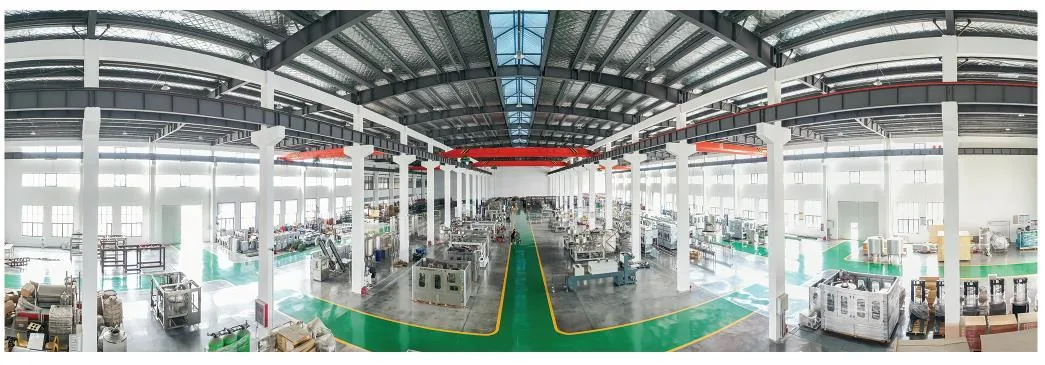
Real manufacturing reference from the Allot Tech Beverage Bottling Catalog 2026. Final equipment and layout remain project-specific.
01
Decision basis: Demand basis · Test method · Seasonal record
Freeze source capacity only when dependable production demand has been compared with representative yield evidence across relevant seasons. A short pump test or a utility nameplate is an input, not proof of long-term availability. The decision should cover abstraction, process losses, cleaning, utilities, domestic use, fire or emergency reserves where applicable, and recovery after interruption. Begin with demand basis: calculate product, treatment reject, rinsing, cleaning, utilities and support demand by scenario. Use test method next. Select a yield test appropriate to the source and decision being made. Close the seasonal record stage through seasonal record evidence, specifically historic levels, flows, rainfall context and dated analyses.
Demand basis
Calculate product, treatment reject, rinsing, cleaning, utilities and support demand by scenario. Demand basis risk: product liters alone understate the source requirement. Retain a time-based water balance with assumptions and revision control.
Test method
Select a yield test appropriate to the source and decision being made. Test method risk: a test that is too short or poorly measured cannot support sustainable output. Retain test plan, calibrated readings, recovery data and specialist interpretation.
Seasonal record
Collect wet-season, dry-season and abnormal-period evidence where variability is plausible. Seasonal record risk: the design may fail during the very period when bottled-water demand rises. Retain historic levels, flows, rainfall context and dated analyses.
02
Working comparison: Drawdown response · Competing demand · Quality at yield
At drawdown response, measure level or pressure response during abstraction and recovery after stopping. Set competing demand beside drawdown response; identify other users, legal priorities and planned development affecting the source. Quality at yield decides the case. Higher withdrawal can change turbidity, salinity or contaminant behavior. The drawdown response table entry pairs its action with time-series readings, pumping rate and recovery curve; the risk for competing demand is that the plant may not control the full resource even when located beside it.
Drawdown response
Measure level or pressure response during abstraction and recovery after stopping. For Drawdown response, compare the result against time-series readings, pumping rate and recovery curve; reject the option if stable initial flow can conceal declining available head or interference.
Competing demand
Identify other users, legal priorities and planned development affecting the source. For Competing demand, compare the result against rights register, stakeholder record and allocation conditions; reject the option if the plant may not control the full resource even when located beside it.
Quality at yield
Sample quality under representative pumping and seasonal conditions. For Quality at yield, compare the result against paired flow, level and laboratory results; reject the option if higher withdrawal can change turbidity, salinity or contaminant behavior.
How to Verify Water Source Yield and Seasonality factor
Demand basis action
Test method failure
Seasonal record retained evidence
Demand basis
Calculate product, treatment reject, rinsing, cleaning, utilities and support demand by scenario
product liters alone understate the source requirement
a time-based water balance with assumptions and revision control
Test method
Select a yield test appropriate to the source and decision being made
a test that is too short or poorly measured cannot support sustainable output
test plan, calibrated readings, recovery data and specialist interpretation
Seasonal record
Collect wet-season, dry-season and abnormal-period evidence where variability is plausible
the design may fail during the very period when bottled-water demand rises
historic levels, flows, rainfall context and dated analyses
Drawdown response
Measure level or pressure response during abstraction and recovery after stopping
stable initial flow can conceal declining available head or interference
time-series readings, pumping rate and recovery curve
03
Credible loss: Storage role · Drought scenario · Monitoring points
Control starts with storage role, passes through drought scenario, then tests monitoring points. A failure of storage role matters because oversized storage can add stagnation while failing to solve long shortages. For drought scenario, retain trigger table, permitted response and communication plan. At monitoring points, contain the monitoring points event before decline remains invisible until production stops or quality changes.
Storage role
Use storage only for defined interruption or balancing scenarios. Storage role risk: Oversized storage can add stagnation while failing to solve long shortages. Detection and containment use autonomy calculation, turnover rule and tank operating philosophy.
Drought scenario
Define reduced-yield cases and the production response before a crisis. Drought scenario risk: Operators may improvise unsafe sources or exceed agreed abstraction. Detection and containment use trigger table, permitted response and communication plan.
Monitoring points
Install practical flow, level and quality monitoring at decision-relevant locations. Monitoring points risk: Decline remains invisible until production stops or quality changes. Detection and containment use instrument list, calibration plan and trend review record.
This guide builds a quantity and seasonality evidence gate rather than promising a production capacity from a single flow reading. Qualified local specialists must interpret aquifer behavior, catchment constraints and permit conditions, while the plant team owns the complete demand basis and operating response. Authorize uncertainty allowance from assumption register, sensitivity cases and closure actions. Revisit expansion effect whenever reserved floor space does not create additional water rights or yield. Keep approval basis open; the approval basis project must record who accepts the source design flow and under which conditions. Close approval basis with signed design basis and controlled source-data pack.
Uncertainty allowance
Keep unknowns explicit and test them before ordering dependent systems. Acceptance relies on assumption register, sensitivity cases and closure actions. Arbitrary margin can hide weak evidence without controlling risk. Reopen Uncertainty allowance when that condition occurs.
Expansion effect
Test future demand against source, storage, treatment and discharge constraints. Acceptance relies on future-state balance and staged approval gate. Reserved floor space does not create additional water rights or yield. Reopen Expansion effect when that condition occurs.
Approval basis
Record who accepts the source design flow and under which conditions. Acceptance relies on signed design basis and controlled source-data pack. Different teams may silently use different yield figures. Reopen Approval basis when that condition occurs.
R
References and verification boundary
These sources support the risk-control method on this page. They do not set project-specific legal limits, test frequencies, engineering values or approvals; verify the current edition and local applicability before a decision.
Can source yield be inferred from pump nameplate capacity?
No. Pump capacity does not prove the source can sustainably supply that flow or recover under seasonal conditions.
Should treatment reject water be included?
Yes. The source basis should include treatment recovery, cleaning, rinsing, utility and other confirmed demands, not only saleable product.
Can storage solve an undersized source?
Storage can balance defined short interruptions, but it cannot create long-term yield and may add turnover and hygiene risks.
Who should approve a borehole yield?
Use qualified local hydrogeological and regulatory input, then have the project team approve the operating design basis and conditions.
Move this project question forward
Need to resolve How Much Source-Yield Evidence Is Needed Before Plant Design? for your water bottling plant?
Control starts with storage role, passes through drought scenario, then tests monitoring points. A failure of storage role matters because oversized storage can add stagnation while failing to solve long shortages. For drought scenario, retain trigger table, permitted response and communication plan. At monitoring points, contain the monitoring points event before decline remains invisible until production stops or quality changes.
Not sure which data matters? Send what you have and state the decision you need to make.
2. Attach the decision inputs
Demand basis
Drawdown response
Storage role
Uncertainty allowance
Send target capacity and SKUs, source-water report, site utility schedule, building layout and required project milestones.
3. Confirm the next planning step
The project desk can identify missing inputs and a practical next step. Final engineering, configuration, compliance and commercial terms remain project-specific.