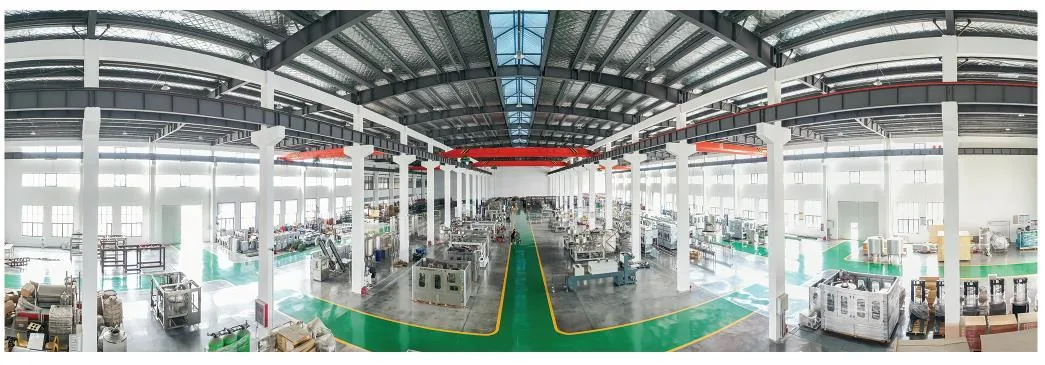
Emergency planning is a site responsibility that must be developed with qualified local safety, building and regulatory professionals. Equipment suppliers still provide essential inputs: hazards, isolation points, stored energy, alarms, safe shutdown and recovery conditions. A useful plant plan connects credible scenarios to detection, immediate action, communication, accountability, product control and practiced recovery rather than copying a generic list of emergency phone numbers.
Real manufacturing reference from the Allot Tech Beverage Bottling Catalog 2026. Final equipment and layout remain project-specific.
01
Identify credible site and process scenarios
Use the actual equipment, materials, building and local environment as the planning basis.
People and machinery events
Review entanglement, crushing, unexpected startup, electrical exposure, pressure release, hot surfaces, lifting, vehicle movement, work at height and confined or restricted access where applicable. Connect each to machine safeguards and site procedures.
Chemical, water and utility events
Consider cleaning chemicals, treatment chemicals, spills, incompatible mixing, high-pressure air, loss of cooling, power failure, flooding, wastewater overflow and other releases identified by project data and safety information.
Fire, weather and external events
Qualified local parties should address fire, smoke, severe weather, seismic, external utility loss, security and community or environmental interfaces according to site conditions and applicable requirements.
02
Define detection, first action and escalation
The first minutes should not depend on an undocumented individual decision.
Scenario element
Question to answer
Plant interface
Evidence to maintain
Detection
How is the condition recognized and confirmed?
Alarm, observation, instrument or external warning
Alarm test and response instruction
Immediate control
What safe action is permitted first?
Stop, isolate, evacuate, contain or call assistance
Posted and trained procedure
Escalation
Who decides the next level and contacts responders?
Shift, site, company and local response chain
Current contact and authority list
Recovery release
Who confirms people, plant and product can restart?
Engineering, safety, quality and management checks
Approved recovery record
03
Coordinate isolation, access and product control
Emergency systems must remain usable under the condition they are meant to manage.
Energy and utility isolation
Map normal and emergency stops, electrical isolation, compressed air, water, chemicals, heat and stored energy. Label and preserve access without suggesting that one stop removes every energy source.
Routes and responder information
Keep exits, assembly points, access roads, hydrants or other local systems, chemical information, equipment layouts and utility shutoffs current and available to the appropriate responders.
Product and traceability
Define how potentially affected water, packaging and finished goods are identified, held, investigated and released or disposed. Emergency recovery cannot bypass the quality system.
04
Train, drill and improve the plan
A written procedure should be tested in proportion to the credible risk and local requirements.
Role-based competence
Train operators, maintenance, quality, supervisors, contractors and visitors for their permitted actions, communication route, evacuation, assembly and restrictions.
Planned exercises
Use tabletop reviews and practical drills selected with local specialists. Observe alarm recognition, communication, accountability, access, isolation and decision-making without creating unsafe test conditions.
Review and change control
Record findings, assign actions and revise the plan after drills, incidents, near misses, equipment changes, new chemicals, layout changes or local response updates.
Buyer questions
Questions to settle before the next project gate
Who prepares the emergency response plan?
The site owner should coordinate it with qualified local safety and emergency professionals, using equipment and process hazard information from suppliers and project parties.
Is the machine emergency stop the same as plant isolation?
No. An emergency stop controls defined machine functions; hazardous electrical, pneumatic, hydraulic, thermal or other energy may still require separate isolation.
Should emergency drills happen before production?
Relevant roles and critical responses should be prepared before operation, then tested and improved under the site program and applicable requirements.
How does an emergency affect product release?
Potentially affected materials and product should be identified, held and evaluated through the quality system before release.
Move this project question forward
Need to resolve Water Bottling Plant Emergency Response Planning for your water bottling plant?
Emergency systems must remain usable under the condition they are meant to manage.
Not sure which data matters? Send what you have and state the decision you need to make.
2. Attach the decision inputs
People and machinery events
Energy and utility isolation
Role-based competence
Chemical, water and utility events
Send target capacity and SKUs, source-water report, site utility schedule, building layout and required project milestones.
3. Confirm the next planning step
The project desk can identify missing inputs and a practical next step. Final engineering, configuration, compliance and commercial terms remain project-specific.