How Should Product-Water Tanks Be Sized and Vented?
Size treated-water storage around process continuity without creating unnecessary residence time. The tank must remain closed and protected while breathing, fill and draw patterns should be understood, and every surface and connection must be drainable, cleanable, inspectable and included in release. The correct size and vent class depend on real flows, environmental exposure, disinfection strategy and applicable hygiene requirements. This page does not publish a universal storage multiple or filter grade.
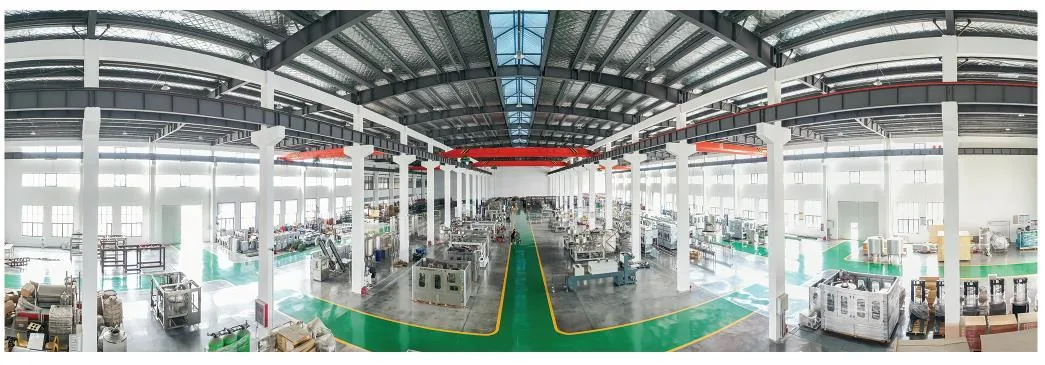
Real manufacturing reference from the Allot Tech Beverage Bottling Catalog 2026. Final equipment and layout remain project-specific.
01
Decision basis: Normal fill-and-draw profile · Maximum residence case · Tank geometry
Size treated-water storage around process continuity without creating unnecessary residence time. The tank must remain closed and protected while breathing, fill and draw patterns should be understood, and every surface and connection must be drainable, cleanable, inspectable and included in release. Begin with normal fill-and-draw profile: document normal fill-and-draw profile from current site evidence; name the owner, source and review date. Use maximum residence case next. Test normal and credible adverse maximum residence case conditions; state the exception and stop rule. Close the tank geometry stage through tank geometry evidence, specifically a tank geometry interface map with closed gaps or named owners and due dates.
Normal fill-and-draw profile
Document normal fill-and-draw profile from current site evidence; name the owner, source and review date. Normal fill-and-draw profile risk: weak normal fill-and-draw profile evidence leaves ownership and the decision basis unclear. Retain a dated normal fill-and-draw profile basis with source, owner, status and approval.
Maximum residence case
Test normal and credible adverse maximum residence case conditions; state the exception and stop rule. Maximum residence case risk: incompatible maximum residence case can block startup or permit an unsafe release. Retain a maximum residence case test showing conditions, raw result, exception and disposition.
Tank geometry
Trace tank geometry across physical and responsibility interfaces; close or assign every dependency. Tank geometry risk: unmapped tank geometry leaves an interface outside effective control. Retain a tank geometry interface map with closed gaps or named owners and due dates.
At hygienic vent duty, control the approved hygienic vent duty basis and reopen it after a relevant process, material or site change. Set vent filter access beside hygienic vent duty; observe vent filter access at the decision point with a named method and verified instrument status. Level measurement decides the case. Untested level measurement can fail when routine conditions vary. The hygienic vent duty table entry pairs its action with the controlled hygienic vent duty revision and its requalification trigger; the risk for vent filter access is that poorly located vent filter access can hide deterioration until product is affected.
Hygienic vent duty
Control the approved hygienic vent duty basis and reopen it after a relevant process, material or site change. For Hygienic vent duty, compare the result against the controlled hygienic vent duty revision and its requalification trigger; reject the option if outdated hygienic vent duty separates the approved basis from the installed condition.
Vent filter access
Observe vent filter access at the decision point with a named method and verified instrument status. For Vent filter access, compare the result against the vent filter access location rationale, method and instrument status; reject the option if poorly located vent filter access can hide deterioration until product is affected.
Level measurement
Challenge level measurement at startup and stable production, then reconcile any difference. For Level measurement, compare the result against startup and stable level measurement results with approved exceptions; reject the option if untested level measurement can fail when routine conditions vary.
Product-Water Tank Sizing and Vent Protection factor
Normal fill-and-draw profile action
Maximum residence case failure
Tank geometry retained evidence
Normal fill-and-draw profile
Document normal fill-and-draw profile from current site evidence; name the owner, source and review date
weak normal fill-and-draw profile evidence leaves ownership and the decision basis unclear
a dated normal fill-and-draw profile basis with source, owner, status and approval
Maximum residence case
Test normal and credible adverse maximum residence case conditions; state the exception and stop rule
incompatible maximum residence case can block startup or permit an unsafe release
a maximum residence case test showing conditions, raw result, exception and disposition
Tank geometry
Trace tank geometry across physical and responsibility interfaces; close or assign every dependency
unmapped tank geometry leaves an interface outside effective control
a tank geometry interface map with closed gaps or named owners and due dates
Hygienic vent duty
Control the approved hygienic vent duty basis and reopen it after a relevant process, material or site change
outdated hygienic vent duty separates the approved basis from the installed condition
the controlled hygienic vent duty revision and its requalification trigger
Control starts with high-level protection, passes through overflow protection, then tests inlet mixing. A failure of high-level protection matters because unclear high-level protection ownership delays containment, investigation and restart. For overflow protection, retain a signed overflow protection comparison using common assumptions and stated exclusions. At inlet mixing, contain the inlet mixing event before unrepresentative inlet mixing can pass a convenient trial and fail in routine use.
High-level protection
Assign high-level protection to a named role with an escalation path and dated closure. High-level protection risk: Unclear high-level protection ownership delays containment, investigation and restart. Detection and containment use the high-level protection owner, escalation route and closure entry.
Overflow protection
Compare overflow protection options on the same assumptions and state every exclusion. Overflow protection risk: Non-comparable overflow protection options can make weaker evidence appear acceptable. Detection and containment use a signed overflow protection comparison using common assumptions and stated exclusions.
Inlet mixing
Verify inlet mixing with representative inputs, operators and credible operating variation. Inlet mixing risk: Unrepresentative inlet mixing can pass a convenient trial and fail in routine use. Detection and containment use the inlet mixing protocol, actual conditions, raw results and approval.
04
Authorization and review: Outlet and low point · Cleaning coverage · Post-clean release
The correct size and vent class depend on real flows, environmental exposure, disinfection strategy and applicable hygiene requirements. This page does not publish a universal storage multiple or filter grade. Authorize outlet and low point from the outlet and low point trend, investigation trigger and dated review decision. Revisit cleaning coverage whenever disconnected cleaning coverage can expose product, people or continuity. Keep post-clean release open; the post-clean release project must approve post-clean release only when gaps are closed or retained as named, dated actions. Close post-clean release with the accepted post-clean release record with residual actions, owners and due dates.
Outlet and low point
Trend outlet and low point, define the investigation trigger and record the review decision. Acceptance relies on the outlet and low point trend, investigation trigger and dated review decision. Without outlet and low point trends, drift can outrun investigation. Reopen Outlet and low point when that condition occurs.
Cleaning coverage
Connect loss of cleaning coverage to product hold, safe state and continuity response. Acceptance relies on a cause-and-effect test linking cleaning coverage loss to the intended response. Disconnected cleaning coverage can expose product, people or continuity. Reopen Cleaning coverage when that condition occurs.
Post-clean release
Approve post-clean release only when gaps are closed or retained as named, dated actions. Acceptance relies on the accepted post-clean release record with residual actions, owners and due dates. Open post-clean release gaps can be mistaken for final acceptance. Reopen Post-clean release when that condition occurs.
R
References and verification boundary
These sources support the risk-control method on this page. They do not set project-specific legal limits, test frequencies, engineering values or approvals; verify the current edition and local applicability before a decision.
What must be decided about Normal fill-and-draw profile?
Document normal fill-and-draw profile from current site evidence; name the owner, source and review date. Keep the point open until its evidence owner and review date are named.
Which record supports Hygienic vent duty?
The controlled hygienic vent duty revision and its requalification trigger. A file name alone does not prove the actual conditions, result or disposition.
What failure should trigger review of Overflow protection?
Non-comparable overflow protection options can make weaker evidence appear acceptable. Contain affected product or people, trace the effects and authorize restart against the approved rule.
Who closes Post-clean release?
Assign it to a named role. Seek specialist, supplier or authority confirmation where the evidence crosses the project team’s competence boundary.
Move this project question forward
Need to resolve How Should Product-Water Tanks Be Sized and Vented? for your water bottling plant?
Control starts with high-level protection, passes through overflow protection, then tests inlet mixing. A failure of high-level protection matters because unclear high-level protection ownership delays containment, investigation and restart. For overflow protection, retain a signed overflow protection comparison using common assumptions and stated exclusions. At inlet mixing, contain the inlet mixing event before unrepresentative inlet mixing can pass a convenient trial and fail in routine use.
Not sure which data matters? Send what you have and state the decision you need to make.
2. Attach the decision inputs
Normal fill-and-draw profile
Hygienic vent duty
High-level protection
Outlet and low point
Send target capacity and SKUs, source-water report, site utility schedule, building layout and required project milestones.
3. Confirm the next planning step
The project desk can identify missing inputs and a practical next step. Final engineering, configuration, compliance and commercial terms remain project-specific.