How to Control Bottled-Water Net Content and Filler Giveaway
Net-content control has two simultaneous aims: comply with the declared quantity rules that apply in the destination market and run the filler with no more unnecessary overfill than process variation requires. The team must first identify the legal metrology basis, reference conditions, sampling interpretation and marking obligations for each market. It then needs a capable mass or volume method, traceable standards, density or temperature treatment where relevant, and data that can be mapped to individual filler heads and operating states. NIST Handbook 133 and European Commission prepackage resources illustrate different official frameworks; neither should be copied worldwide. No universal tolerance or sample plan belongs on this page because the competent authority and product route define them.
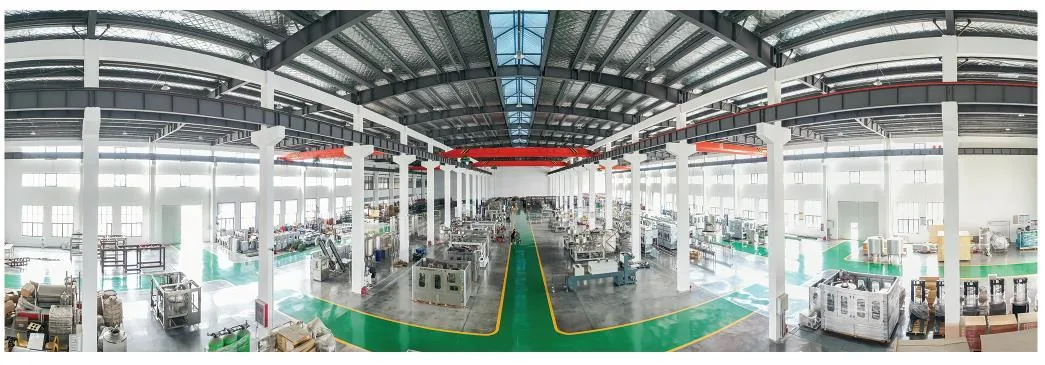
Real manufacturing reference from the Allot Tech Beverage Bottling Catalog 2026. Final equipment and layout remain project-specific.
01
Establish the market rule and measurement basis first
Quality, operations and regulatory owners should maintain a market register for each declaration and pack. Capture whether evaluation is by mass, volume or another recognized basis; how individual and average requirements interact; which reference condition applies; and how official sampling differs from routine process control. A generic target above the label is not a compliance method.
Confirm the declared quantity regime
Link each SKU and destination to the current competent-authority rule, permitted units, nominal quantity marking and evaluation procedure. Keep the legal source and review date. Do not assume that passing one market's average test satisfies another market's individual-package provisions.
Define reference conditions
State how product temperature, density, dissolved gas, evaporation or meniscus interpretation affects the result where relevant. Use validated calculations and representative product data. A volumetric setpoint observed warm may not equal the declared volume under the official basis.
Select a capable method
Compare gravimetric, volumetric, checkweigher or other approved methods for resolution, range, repeatability, speed and operator influence. Demonstrate that uncertainty is small enough for the decision; more decimal places on a display do not improve measurement capability.
Assign release authority
Define who approves the method, daily control limits, adjustment, product hold, investigation and market release. Operators may make bounded process corrections, while legal disposition of potentially nonconforming lots should remain with an authorized quality or regulatory role.
02
Build a measurement and sampling system that explains the filler
Routine checks should reveal both central tendency and variation by filler position, time and event. Design the sampling interval from line speed, failure detection, process stability and applicable rules, then preserve each result with head or valve identity where technically possible. Pooling all bottles into one daily average can conceal an underfilling position.
Control standards and tare
Use suitable, identified mass or volume standards and verify balance, reference vessel or checkweigher status. Establish bottle and cap tare variation where a gravimetric conversion requires it. Never subtract a convenient historic tare from a materially changed package without study.
Map results to filling positions
Preserve head, valve or carousel position, time, format, recipe and operating state. Use a controlled coding or collection method and verify that position numbering aligns with maintenance records. This converts a compliance result into actionable equipment evidence.
Sample transitions deliberately
Include startup, speed change, tank-level variation, after adjustment, changeover, stop-restart and end of run as the risk analysis requires. A stable mid-run sample cannot qualify transient product automatically.
Evaluate measurement uncertainty
Document repeatability, reproducibility, resolution, environmental effects, density conversion and sampling variability. Use this evidence when setting internal action limits so the process does not oscillate around measurement noise or run dangerously close to a legal boundary.
Control layer
Evidence captured
Primary decision
Responsible role
Market master
Current rule, nominal declaration and reference basis
Which official evaluation applies?
Regulatory or legal-metrology owner
Measurement system
Method study, standards, tare/density and checks
Can the result support disposition?
Quality laboratory or metrology
Process sample
Value, time, head, recipe and event state
Adjust, continue, investigate or hold
Trained operations with quality rules
Lot review
Distribution, exceptions and affected interval
Release or controlled disposition
Authorized quality owner
03
Reduce giveaway by removing variation before lowering the mean
Giveaway is often the margin used to cover uncontrolled variation. Lowering the global setpoint before understanding spread can create underfilled bottles. Separate common variation from head-specific, package-specific and event-related causes, correct the source, then make bounded setting changes with heightened sampling and an approved rollback rule.
Analyze the distribution
Review mean, spread, tails and time sequence using the appropriate statistical and legal interpretation. Compare by head, shift, speed and format. Do not select a process capability index or target without confirming distribution assumptions and the actual authority-defined specifications.
Find position-specific causes
Investigate valve wear, venting, timing, product pressure, bottle height or neck variation, foaming, nozzle condition and carousel mechanics. Use repeated position evidence and maintenance inspection. Recalibrating the whole filler can hide one failing valve while increasing giveaway elsewhere.
Control product and package effects
Assess temperature, density, aeration, water level, bottle internal volume and deformation under line conditions. Link package changes to method and setting review. A lighter or differently shaped bottle can alter presentation and apparent fill even at the same nominal capacity.
Adjust with a guarded trial
Define the intended change, affected format, starting state, sample intensity, stop criteria and approver. Confirm multiple carousel revolutions or other representative coverage and the legal basis before adopting the new center. Preserve before-and-after raw data.
04
Hold product correctly and keep changes under control
A failed sample must trigger a known boundary and decision, not an improvised extra bottle. Use the last verified acceptable state, filler residence and accumulation to define potentially affected product. Confirm measurement validity promptly, but keep product controlled while process and compliance implications are evaluated.
Define the hold boundary
Trace time, head, pallet and lot from the last acceptable check through detection and correction, including bottles in conveyors or rework. Use a conservative boundary when mapping is uncertain. A later good sample does not erase earlier uncontrolled production.
Investigate result and process
Verify standard, balance or checkweigher state, tare or density data, sample identity and method execution, then examine filler conditions. Distinguish a measurement-system failure from real underfill; both require documented correction before release.
Disposition by current rule
Apply the relevant official evaluation and the site's approved plan to the affected quantity. Rework, relabel or other options require technical and legal authorization. Do not average unrelated lots to make a failing group appear acceptable.
Review change and trend
Assess new bottle, cap, product profile, filler part, software, speed or measurement method before routine use. Trend giveaway cost and compliance signals together, but never let cost pressure override the authority-defined release decision.
R
References and verification boundary
These sources support the risk-control method on this page. They do not set project-specific legal limits, test frequencies, engineering values or approvals; verify the current edition and local applicability before a decision.
What net-content tolerance applies to bottled water?
It depends on the destination market, package and current official procedure. Confirm the competent-authority rule; do not apply a tolerance copied from another country or product.
Should the filler always target above the label quantity?
The process center must account for legal requirements, measurement uncertainty and demonstrated variation. First reduce assignable variation, then set a controlled target supported by evidence.
Can a checkweigher replace laboratory checks?
It can provide powerful in-line control if properly specified and verified, but official or release methods may require additional evidence. Connect it to controlled standards, tare/density and product disposition.
Why map bottles to individual heads?
Position mapping finds a low or unstable valve that a pooled average can hide. It also makes maintenance and post-adjustment verification more precise.
What evidence starts a net-content study?
Provide the SKU/market register, current legal basis, bottle and cap data, product density or temperature behavior, filler design, measurement method study, position-level samples and hold procedure.
Move this project question forward
Need to resolve How to Control Bottled-Water Net Content and Filler Giveaway for your water bottling plant?
Giveaway is often the margin used to cover uncontrolled variation. Lowering the global setpoint before understanding spread can create underfilled bottles. Separate common variation from head-specific, package-specific and event-related causes, correct the source, then make bounded setting changes with heightened sampling and an approved rollback rule.
Not sure which data matters? Send what you have and state the decision you need to make.
2. Attach the decision inputs
Confirm the declared quantity regime
Control standards and tare
Analyze the distribution
Define the hold boundary
Send target capacity and SKUs, source-water report, site utility schedule, building layout and required project milestones.
3. Confirm the next planning step
The project desk can identify missing inputs and a practical next step. Final engineering, configuration, compliance and commercial terms remain project-specific.