How to Remove Iron and Manganese Before Water Bottling
Iron and manganese treatment begins with understanding what form each metal takes in the real source and how that form changes when water is pumped, aerated, stored, disinfected or blended. Total concentration alone cannot tell whether dissolved species, particles, colloids, complexes or biological activity dominate. Assemble representative source analyses with pH, alkalinity, redox-related conditions, dissolved oxygen, turbidity, organic matter and relevant co-contaminants. Then compare oxidation, reaction time, catalytic or media contact, filtration and backwash as one system, followed by residual and finished-product verification. EPA and WHO resources support the treatment framework, but pilot testing, local product requirements and disposal approvals define the project envelope; no single medium or dose works for every source.
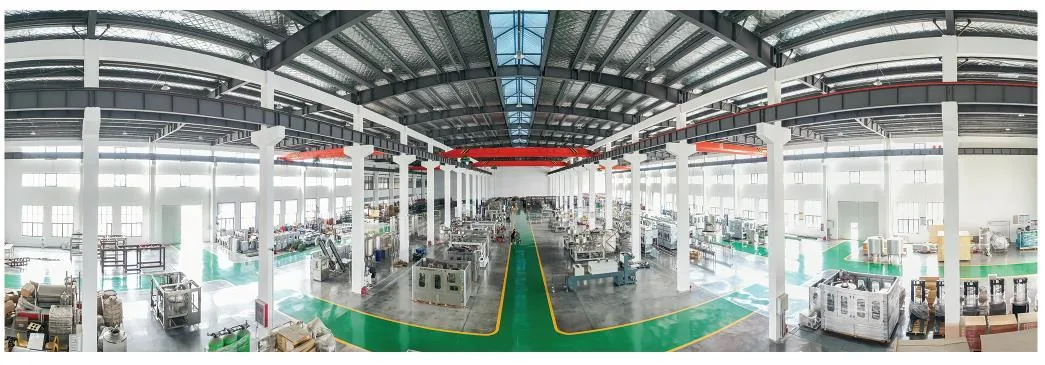
Real manufacturing reference from the Allot Tech Beverage Bottling Catalog 2026. Final equipment and layout remain project-specific.
01
Diagnose species and source behavior before selecting a filter
Sampling must preserve the information needed for design. Compare fresh source water with water after realistic aeration or holding, and distinguish dissolved and particulate fractions using a controlled method. Review seasonal pumping, well cycling and any source-development history because apparent treatment need can shift with operating state.
Measure supporting chemistry
Include pH, alkalinity, hardness, dissolved oxygen, turbidity, color, organic matter indicators and other ions relevant to oxidation, media or downstream RO. Record sampling and preservation. A metals number without chemical context invites an unreliable vendor rule.
Separate dissolved and particulate fractions
Use a planned filtered/unfiltered or other appropriate laboratory approach and document timing. Observe settling and color changes after air exposure. This helps distinguish oxidation demand from particulate removal and identifies where sampling itself changes the result.
Investigate biological contribution
Review sliming, odors, well or pipe deposits, rapid differential-pressure change and microbial evidence with qualified specialists. Biological iron or manganese behavior can affect pretreatment and sanitation; chemical oxidation alone may not correct a colonized source system.
Define downstream consequences
Link metals and precipitates to product color or taste specification, membrane fouling, UV transmission, ozone demand, tanks, fillers and package appearance. Establish authority-defined and product-specific criteria instead of treating one aesthetic value as the complete design basis.
02
Build oxidation, contact and filtration as a matched sequence
Oxidation changes the form; contact time allows reaction; separation removes the formed solids. The chosen oxidant or aeration route must be evaluated for source demand, pH, temperature, reaction products, downstream compatibility and worker safety. Media claims should be checked against actual water, loading and regeneration or backwash conditions.
Screen oxidation options
Compare aeration, approved chemical oxidants or catalytic routes using water-specific evidence. Calculate demand beyond the target metals and confirm residual management. Do not select a dose solely from total iron and manganese or publish a universal pH cutoff.
Provide real reaction opportunity
Model mixing, vessel hydraulics and contact time over the operating flow range. Prevent short-circuiting and define startup or changing-source behavior. A pipe volume calculation should be checked against installed mixing and the reaction kinetics observed in trials.
Select separation by formed solids
Evaluate media or filters for particle size, loading, breakthrough behavior, head loss and backwash. Confirm whether adsorption, catalytic action or simple filtration is expected and how exhaustion differs from fouling. Require supplier claims to be demonstrated on representative water.
Control oxidant residual and byproducts
Measure the relevant residual before downstream membranes or product use and assess possible byproducts under actual precursor conditions. Link quenching or removal to a controlled endpoint. Absence of odor is not an analytical release method.
Design step
Key input evidence
Pilot observation
Scale-up decision
Oxidation
Species, demand, pH and co-contaminants
Reaction response and residual
Agent, dose envelope and safeguards
Contact
Kinetics, temperature and flow range
Time-to-conversion and mixing behavior
Volume, geometry and control state
Filtration or media
Particle/load behavior and media mechanism
Breakthrough, head loss and run profile
Area, bed, stages and monitoring
Residuals
Backwash and sludge quality/quantity
Settling, dewatering or discharge behavior
Approved collection and disposal route
03
Pilot with representative water and credible operating cycles
A jar or short column test can screen options, but final scale-up should reflect source variability, sustained loading, backwash, idle periods and downstream effects. Record raw data and negative results. Pilot objectives should be defined before equipment is rented so observations answer a design decision rather than decorate a proposal.
Represent source variability
Test water from relevant wells, seasons, pumping states or blends, preserving sample condition. If the full range is unavailable, identify the untested envelope and design conservatively or create a commissioning hold point.
Observe run and breakthrough profiles
Measure influent and effluent metals, turbidity, oxidant residual, pressure loss and other relevant indicators through meaningful loading. A clean-start sample cannot establish media life or the control signal that precedes breakthrough.
Challenge backwash and restart
Verify expansion or cleaning under actual utility constraints, removal of accumulated solids, rinse-to-waste endpoint and first-water quality. Assess biological regrowth or media degradation after idle periods where credible.
Check downstream compatibility
Feed pilot effluent or representative treated water into relevant membrane, UV, ozone or stabilization evaluations. Treatment that removes visible color but creates particles, residual or fouling downstream may simply move the problem.
04
Operate by trend, mass balance and residuals control
Commission the full train across normal flow, source changes, backwash and restart. Establish influent and effluent sampling locations, instrument checks, alarm logic and product diversion before startup. Treat backwash and settled solids as a designed waste stream subject to local approval rather than an afterthought sent to the nearest drain.
Monitor leading indicators
Trend metals by appropriate fraction, turbidity, residual, pH, flow and differential pressure according to the process mechanism. Use the trend to schedule backwash or investigation before finished-water failure, while verifying sensors and laboratory methods.
Respond to breakthrough
Stop or divert affected water, identify the last acceptable state and assess downstream tanks and product. Investigate source change, dose, mixing, media condition, flow, backwash and method validity. Do not mask the event by increasing oxidant without review.
Manage backwash and sludge
Quantify flows and solids under representative cycles, prevent cross-connection with product water and confirm discharge, recovery or disposal authorization. Reuse should be separately evaluated for chemistry, microbiology, storage and reliability.
Reassess source or process change
Review new well, blend ratio, seasonal excursion, oxidant, pH strategy, media, vessel loading, flow or downstream membrane. Update pilot assumptions and control limits where the original evidence no longer bounds operation.
R
References and verification boundary
These sources support the risk-control method on this page. They do not set project-specific legal limits, test frequencies, engineering values or approvals; verify the current edition and local applicability before a decision.
Sometimes a process may address both, but suitability depends on species, pH, oxidation, media mechanism, loading and source variability. Representative testing is required.
Is aeration always enough?
No. Reaction kinetics, pH, complexes, manganese behavior, biological effects and required residual can make aeration alone insufficient. Test the complete oxidation-contact-separation route.
Why measure dissolved and total metals?
The fractions help reveal whether the process must convert dissolved species, remove existing particles or both. Sampling and preservation must be controlled because exposure can change form.
Can backwash water return to the source or drain?
Only after a project-specific quality, cross-connection and local-approval review. Concentrated metals and treatment residuals need a designed route.
What inputs are needed for a treatment concept?
Provide representative raw-water analyses with supporting chemistry, source and pumping history, fractionated metals where available, required product criteria, downstream process, waste constraints and pilot results.
Move this project question forward
Need to resolve How to Remove Iron and Manganese Before Water Bottling for your water bottling plant?
A jar or short column test can screen options, but final scale-up should reflect source variability, sustained loading, backwash, idle periods and downstream effects. Record raw data and negative results. Pilot objectives should be defined before equipment is rented so observations answer a design decision rather than decorate a proposal.
Not sure which data matters? Send what you have and state the decision you need to make.
2. Attach the decision inputs
Measure supporting chemistry
Screen oxidation options
Represent source variability
Monitor leading indicators
Send target capacity and SKUs, source-water report, site utility schedule, building layout and required project milestones.
3. Confirm the next planning step
The project desk can identify missing inputs and a practical next step. Final engineering, configuration, compliance and commercial terms remain project-specific.