How to Design Post-RO Remineralization and Blending
Reverse-osmosis permeate may need stabilization or a deliberately defined mineral profile for product, process or package reasons. The correct decision starts with the lawful product identity and specification in each sales market, not a generic target TDS. Characterize permeate variability, choose allowed food-contact or water-treatment inputs, calculate a transparent mass balance, and assess chemical stability, microbiological protection, sensory effect and label consequences. Options may include controlled mineral dosing, contact with an approved mineral medium, or blending with a separately safe and verified water stream. Blending must never bypass a hazard simply to raise dissolved solids. WHO drinking-water guidance, Codex bottled-water standards and current market rules bound safety and naming decisions; they do not prescribe one universal taste profile.
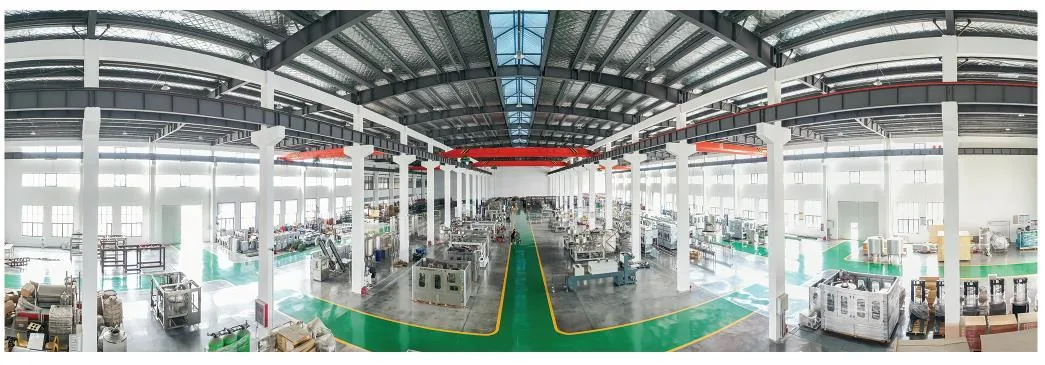
Real manufacturing reference from the Allot Tech Beverage Bottling Catalog 2026. Final equipment and layout remain project-specific.
01
Set a product and stability target before choosing equipment
Define what the adjustment is meant to achieve: chemical stability, sensory profile, process compatibility, a permitted composition or a combination. Translate that objective into measurable ranges and evidence, while keeping health, marketing and legal claims under qualified review. TDS alone cannot describe ionic composition, safety or flavor.
Confirm product identity
Determine how the source, treatment and added constituents affect the lawful product name and mandatory statements in each market. Record the current authority source and approval owner. Do not assume purified, mineral, spring or added-minerals terms are interchangeable.
Characterize permeate variability
Use representative analyses across source and membrane operating conditions, including relevant ions, alkalinity, pH, conductivity, gases and microbiological state. Include measurement uncertainty and seasonal range. One commissioning sample is not a product design envelope.
Define stability needs
Assess corrosion or aggressive-water potential for product-contact equipment and package, precipitation risk, gas exchange and behavior through ozone or other downstream steps. Use project-specific modeling and trials; avoid treating a single index as a complete release decision.
Define sensory evidence
Use controlled sensory methods and representative package-age conditions where taste is an objective. Keep panel work separate from unsupported health claims. A preferred lab blend must still be safe, stable, manufacturable and correctly labeled.
02
Compare dosing, mineral contact and safe-stream blending
Each route has a distinct control model. Dosing depends on material identity, solution preparation and metering; mineral contact depends on medium dissolution and water chemistry; blending depends on the safety and variability of both streams. Use mass balance and pilot evidence to compare them rather than selecting by skid simplicity alone.
Controlled mineral dosing
Specify permitted material grade, supplier evidence, preparation water, concentration verification, dosing range, mixing and contamination controls. Calculate each relevant constituent, not only conductivity. Challenge loss, overfeed and wrong-material conditions with interlocks and product hold logic.
Mineral contact system
Characterize approved contact medium, particle control, bed hydraulics, dissolution response, sanitization, replacement and startup flush. Model how feed pH, carbon dioxide, temperature and contact time alter output, then confirm with test-derived data.
Verified-water blending
Qualify the second stream as safe for its intended use before blending, including hazards that RO was selected to remove. Protect cross-connections and backflow, measure both flows and verify mixing. Never return untreated source water on the assumption that a low blend fraction is harmless.
Hybrid control
Where dosing and blending or contact are combined, document interactions and independent failure modes. Ensure one adjustment cannot conceal the failure of another by producing an apparently normal conductivity result.
Option
Critical inputs
Primary proof
Typical hold trigger
Mineral solution dosing
Material identity, strength, flow and mixing
Mass balance plus composition and challenge trial
Wrong material, unverified strength or dose excursion
Mineral contact
Medium identity, feed chemistry and contact state
Model supported by installed-system testing
Breakthrough, particle release or output drift
Controlled blending
Both-stream safety, flows and mixing
Independent analyses and blend-ratio verification
Unqualified stream or ratio/control failure
Combined route
Interactions and separate measurement signals
Failure-mode challenge and product testing
One signal masks another control loss
03
Design hygienic preparation, dosing, mixing and monitoring
Post-RO addition occurs near finished product, so preparation tanks, day tanks, contact vessels, pumps, valves and mixers need a hygienic design and sanitation concept. The process should minimize open handling and stagnant prepared solution. Instrument selection must distinguish process control from final product verification.
Control incoming materials
Approve the exact substance, grade, manufacturer and lot evidence for intended food or water use. Inspect seals and identity, segregate allergens or incompatible chemicals where relevant, and require change notification. Do not accept a generic mineral name as sufficient traceability.
Prepare reproducibly
Define weighing or metering method, verified vessel volume, mixing endpoint, solution identity, concentration check, maximum approved hold and batch record. Control dust, foreign material and operator error. Account for solubility and precipitation instead of assuming all weighed material enters solution.
Mix and sample representatively
Locate injection and mixing so the product sample reflects uniform composition across startup, steady flow and demand changes. Evaluate lag between adjustment and result. Prevent concentrated solution from reaching the filler or recirculating into an incompatible circuit.
Use independent release evidence
Online conductivity, pH or flow ratio can provide fast control but may not uniquely identify composition. Establish laboratory or other verification for critical constituents at a risk-based frequency and after defined changes. Preserve method and uncertainty.
04
Commission failure responses and maintain product identity
Commissioning should test normal ranges, source variability, startup, stop, empty material vessel, pump or flowmeter failure, wrong recipe and abnormal stream quality as safely applicable. Define the product boundary from the last verified acceptable state and ensure labeling and formula records stay aligned with the actual process.
Challenge overfeed and underfeed
Use simulation or controlled tests to verify alarms, interlocks, diversion or line stop. Confirm that a normal-looking composite signal cannot release product after the wrong mineral or blend stream is present. Record affected tank and bottle boundaries.
Control startup and transitions
Define flushing, stabilization, sampling and release after sanitation, media replacement, solution change or membrane transition. Account for residence time so product is not released from an unrepresentative sample taken before the changed water reaches the point.
Investigate composition drift
Review permeate chemistry, material identity and strength, dosing or blend flow, mixing, sensor validity, gas exchange and storage. Hold affected product until safety, identity and label compliance are assessed by authorized roles.
Revalidate and relabel change
Assess new source, membrane behavior, mineral, supplier, contact medium, formula, package, storage or market. Update the mass balance, hazard review, trials, specification and claim register before release. A small recipe change can have a legal identity consequence.
R
References and verification boundary
These sources support the risk-control method on this page. They do not set project-specific legal limits, test frequencies, engineering values or approvals; verify the current edition and local applicability before a decision.
Does low-TDS RO water always need remineralization?
No. The decision depends on product identity, chemistry, equipment and package compatibility, sensory objective and market rules. Low TDS alone is not proof of a safety or quality problem.
Can untreated raw water be blended back after RO?
Not by default. The stream must be independently safe and qualified, including hazards the RO controls. Blending requires protected connections, verified ratios and correct product identity.
Is conductivity enough to release the blend?
Usually it is only one indicator. Different ionic compositions can show similar conductivity. Use it with flow, material identity and composition evidence selected for the specification.
Can the product be marketed with health claims?
Only claims supported and permitted under current market rules should be used. This engineering method does not substantiate health benefits.
What inputs are needed for a remineralization study?
Provide representative permeate analyses, product identity and markets, package and process materials, target composition or sensory brief, proposed minerals or blend stream, flow range and downstream treatment details.
Move this project question forward
Need to resolve How to Design Post-RO Remineralization and Blending for your water bottling plant?
Post-RO addition occurs near finished product, so preparation tanks, day tanks, contact vessels, pumps, valves and mixers need a hygienic design and sanitation concept. The process should minimize open handling and stagnant prepared solution. Instrument selection must distinguish process control from final product verification.
Not sure which data matters? Send what you have and state the decision you need to make.
2. Attach the decision inputs
Confirm product identity
Controlled mineral dosing
Control incoming materials
Challenge overfeed and underfeed
Send target capacity and SKUs, source-water report, site utility schedule, building layout and required project milestones.
3. Confirm the next planning step
The project desk can identify missing inputs and a practical next step. Final engineering, configuration, compliance and commercial terms remain project-specific.